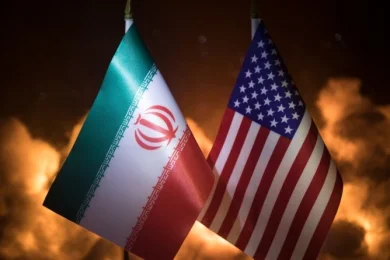

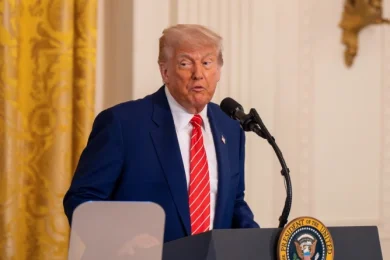
Before reports of a possible new attack after November 3, Trump publicly stated that the US would not resume operations against Iran before the midterm elections, while maintaining the blockade of Iranian ports. In parallel, the Pentagon asked Central Command (CENTCOM) to finalize plans for possible large-scale military operations against Iran, without setting a start date.
On the other hand, Iran said it was preparing for the resumption of the conflict with the US and indicated that it had new weapons and targets that had not yet been attacked, including undersea internet cables, data centers, oil and gas infrastructure, as well as military exercises and the launch of 30 ballistic missiles. Scenarios such as preemptive attacks, coordinated drone swarms, improved cruise missiles, and satellite jamming were also mentioned.
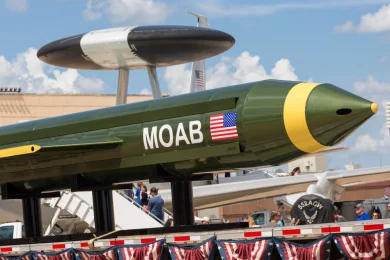
Against the backdrop of this impasse, details also emerged about options being considered in Washington: according to information cited by CNN, the military had reportedly drawn up plans that included using the GBU-43/B bomb (“the mother of all bombs”) against energy and nuclear targets. At the same time, it was reported that the US had allegedly pressured Israel to take unilateral action before the US elections, a claim later denied by American and Israeli officials.



.webp)