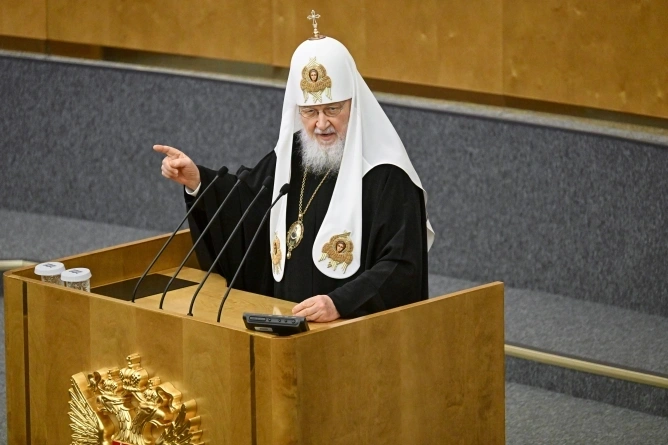
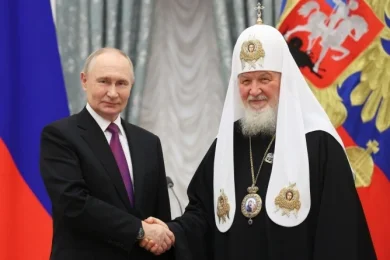
Patriarch Kirill claims that Russian soldiers who fight and die in Ukraine do not violate the biblical commandment "Thou shalt not kill," but, on the contrary, fulfill a "sacred duty" of defending the homeland.



Always see our news on Google
The statements of Patriarch Kirill, analyzed by the Robert Lansing Institute, represent a significant break from the moral-Christian tradition. He claims that the death of soldiers on the front is not a crime, but a heroic act "pleasing to God," suggesting that their sacrifice could lead to the forgiveness of sins. This reinterpretation of the sixth commandment, "Thou shalt not kill," contradicts centuries of Orthodox, Catholic, and Protestant theological tradition, which considers violence a moral evil.
The Church Fathers, such as Saint Basil the Great, emphasized that a soldier who kills must do penance. War is seen in the Eastern tradition as a tragic failure of humanity, not as a virtue. Specialists suggest that the patriarch's position is influenced by the political ideology of the "Russian world," which combines nationalism with religious authority.
Sources


Latest News
07:23
23:13
23:02
22:58
22:25
See more news
NEWS ON THE SAME TOPICS





.webp)