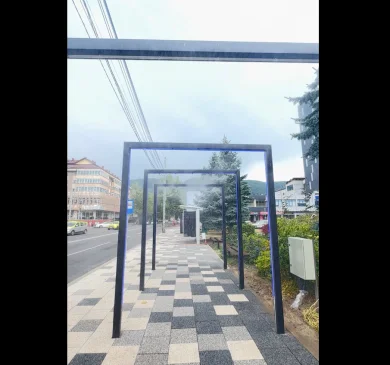
Norway is testing a guardrail model that sprays salt directly onto the asphalt before ice forms.



Always see our news on Google
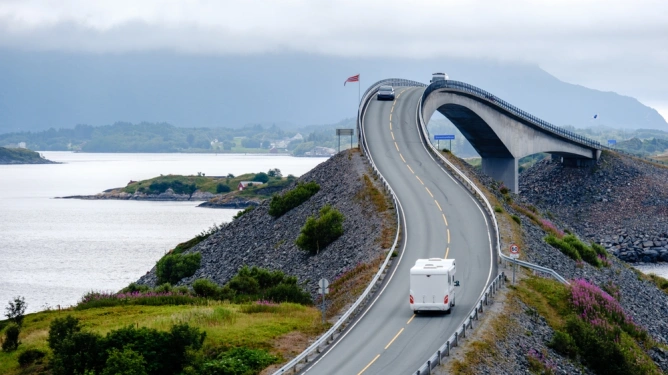
Norway is testing an automated anti-icing system on a 280-meter section of the E6 motorway in the Trøndelag region. The installation will become operational on November 12, when the section between Kvithammar and Åsen opens, in the Kleiva area, located between two tunnels.
The anti-ice barrier has integrated hoses, while sensors monitor the temperature and dew point. When the risk of ice formation is detected, the maintenance team can activate the installation remotely, including through a phone app. The system sprays a solution of water and salt onto the road before the surface becomes slippery, while vehicles traveling through the area distribute some of the salt farther along.
Kleiva was chosen because it receives little sunlight, and a stream runs beneath the road—conditions that favor the formation of ice. The pilot project will be monitored over the course of one winter season.
Salt is effective against ice, but it contributes to vehicle corrosion and can reach the soil and nearby waters. The company Nye Veier aims to reduce salt consumption and has set a goal of cutting emissions generated by road maintenance by 75% by 2030. If the test produces good results, the technology could also be installed on bridges, curves, or other shaded areas. The costs, nozzle maintenance, and operation in severe freezing conditions are yet to be evaluated.
Read also European Commission accuses TikTok of harming users’ mental health
Sources


Latest News
22:49
22:25
22:02
21:29
21:28
See more news
NEWS ON THE SAME TOPICS


.webp)