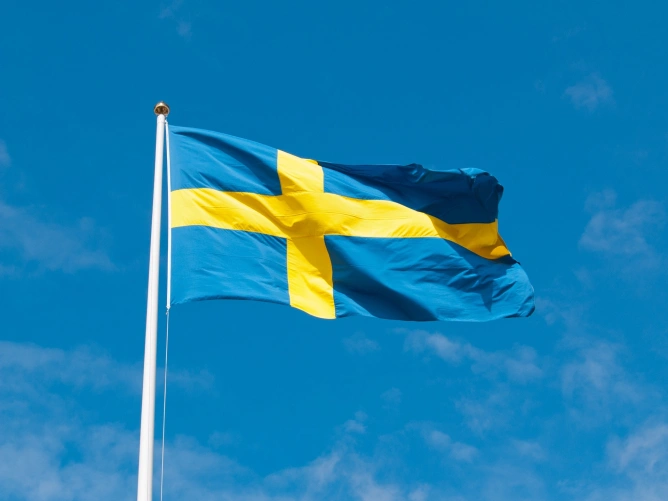

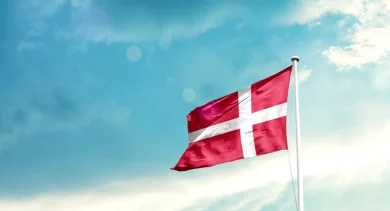
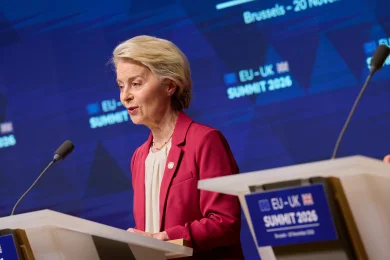
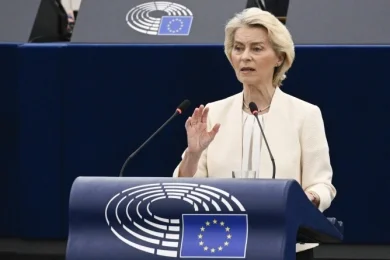
Before summoning Russia’s ambassador in Stockholm, Denmark called on EU states to take concrete measures in the context of an assassination attempt attributed to Moscow: among the proposals discussed was further restricting Russian citizens’ access to the Schengen area, including suspending the issuance of tourist visas and refusing to recognize, at the Schengen level, Russian passports that are not biometric. Separately, the European Commission promised a “European response” following the incident, while President Ursula von der Leyen condemned the attack and invoked both sanctions and rapid-response mechanisms.
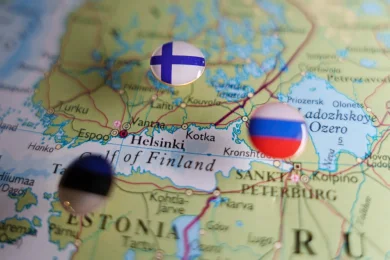
Previously, other European capitals had taken similar steps: Poland summoned Russia’s ambassador after authorities confirmed that the remains of Russian missiles (Kh-101) had been found in the east of the country, while Finland did the same after a Russian helicopter allegedly violated Finnish airspace off the coast of the city of Loviisa. In Finland, authorities indicated that the incident could be linked to rescue or monitoring operations involving the Russian vessel Sparta II, which is under sanctions.


.webp)