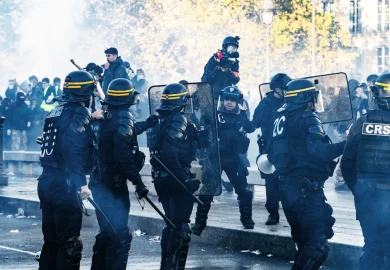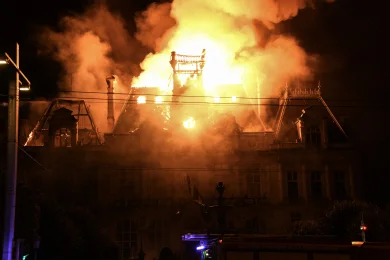

Before the conclusions in the report reviewed by Reuters, European authorities were already investigating possible foreign interference and disinformation campaigns that emerged online during the riots in France and in other European states, amid suspicions that social networks had amplified violent content and images falsely presented as having been filmed in France. EU officials said, however, that there was so far no concrete evidence that Russian agents had directly provoked the violence, and the preliminary assessment was that foreign actors had reacted to the events and tried to amplify them against a backdrop of domestic tensions.
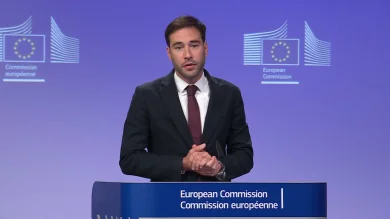
Separately, the European Commission announced discussions with the French authority Arcom concerning the risks associated with platforms and algorithms after the violence in France. At a briefing on 19 October, spokesperson Thomas Regnier said that he had not confirmed the detection of any foreign manipulation operations and had not announced a formal investigation related to the protests, but urged platforms to limit the risk of algorithms amplifying incitement to violence and to comply with the obligations set out in the Digital Services Act.
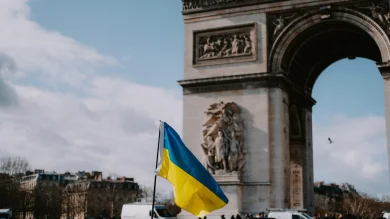
Against the backdrop of these checks, researchers had previously documented a Russian influence operation—Storm-1516—which allegedly launched, from January 2025, false narratives targeting France and Germany, using content adaptation and amplification on platforms, as European support for Ukraine had become an increasingly frequent target.