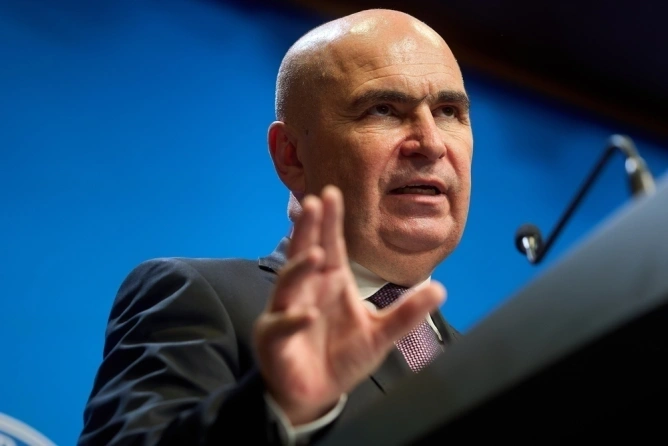
Financial Times: Rivalries between the great powers increase the risk of a Third World War



Always see our news on Google
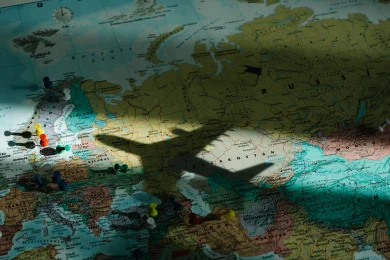
The world is experiencing one of the most tense periods since the end of the Second World War, warns Gideon Rachman, the Financial Times’ foreign affairs commentator, in an analysis of the risk of a possible Third World War. Existing conflicts, rivalries among major powers, and uncertainty over the United States’ military commitments could turn regional crises into international confrontations.
According to International Crisis Group data cited by the publication, 65 armed conflicts are active around the world, the highest level since the end of the Second World War. Russia’s war against Ukraine continues, tensions between the United States and Iran are affecting the Middle East, while China is strengthening its military capabilities and increasing pressure on Taiwan.
A growing concern is the increasingly close cooperation among Russia, China, Iran, and North Korea. Moscow and Pyongyang signed a mutual military assistance treaty in 2024, while China continues to support Russia economically and technologically.
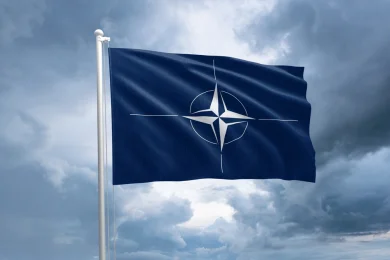
Rachman emphasizes that a world war would involve direct confrontations between major powers and operations across multiple continents. These conditions are not currently present, but drone incidents, acts of sabotage, and ambiguity over the application of security guarantees are increasing the risk of an accidental escalation. Article 5 of NATO remains the main deterrence instrument in Europe.
Sources


Latest News
22:52
22:48
22:43
22:38
22:20
See more news
NEWS ON THE SAME TOPICS