Before the confrontation over arms exports, Switzerland also saw another referendum initiative in which voters were called upon to decide whether the country’s neutrality should be reaffirmed and whether the government should be prevented from supporting sanctions against states involved in conflicts, except those approved by the UN. The debate was fueled by criticism of the government’s decision to join the EU sanctions against Russia, as well as by discussions regarding Switzerland’s cooperation with military alliances and the conditions under which this might be permitted.
Decisive referendum in Switzerland on arms exports / Voters decide whether to relax the strict rules that have blocked deliveries to Western states
Cristiana Dida


International
foto: shutterstock.com

Always see our news on Google
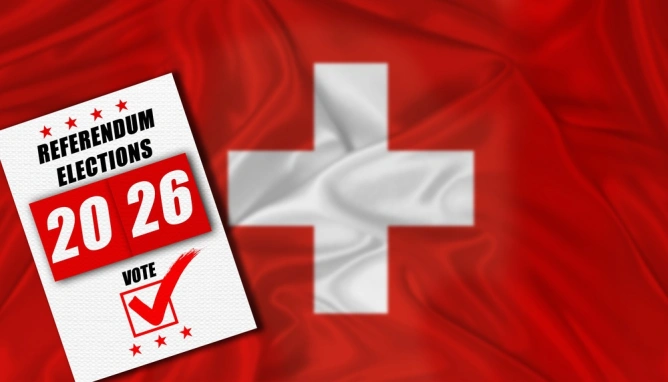
Swiss voters will go to the polls on Sunday to decide whether restrictions on arms exports should be eased, a measure backed by the government and parliament but opposed by defenders of the country’s traditional neutrality. The referendum is taking place amid concerns about the decline of the domestic defense industry and Switzerland’s ability to maintain its own military resources.
The proposal would allow Bern to export arms to 36 Western states, including if they were involved in conflicts. It would also remove the requirement for the re-export of equipment to be subject to Switzerland’s approval.
The debate intensified after Russia’s invasion of Ukraine, which began in 2022. Switzerland refused to allow some European states to send Kyiv Swiss-made ammunition and combat vehicles, contributing to a decline in arms exports in 2023 and 2024. However, the easing would not apply to Ukraine, which would remain excluded from receiving Swiss equipment either directly or indirectly.
Supporters of the amendment say it is necessary to protect the defense industry and strengthen national security. Opponents warn that the measure would undermine Switzerland’s neutrality and could facilitate the use of its weapons in civil conflicts. According to a Tamedia poll, 49% of voters supported the proposal, while 48% opposed it.
Context: previous referendums and the debate about Switzerland’s role in sanctions and alliances
Sources

Elveția: Referendum privind relaxarea restricțiilor la exporturile de armament, un test pentru neutralitatea țării

Elveția ar putea relaxa regulile privind exporturile de arme. Ucraina rămâne însă exclusă

Elvețienii decid, prin referendum, relaxarea restricțiilor impuse exporturilor de arme. Efectele asupra războiului din Ucraina

Referendum crucial pentru industria dronelor din Elveția

Referendum în Elveția privind modificarea legislației pentru exporturile de materiale de război. Industria dronelor urmărește cu interes votul
Latest News
14:43
Dan Dungaciu criticizes Nicușor Dan’s statements on the annulment of the election and warns about the impact on Romania’s credibility
14:35
Călin Georgescu was elected president of the Faith, Dignity and Unity Party, but he allegedly declined the position in a message whose authenticity has not been confirmed
14:28
Bucharest will host the regional office of the new Bank for Defense, Security and Resilience for the southern flank / Alexandru Nazare participates in the establishment ceremony in Luxembourg
14:20
The European Public Prosecutor’s Office is carrying out 14 searches in Romania and Belgium in a case involving suspected fraud with funds for smart buildings
14:12
Record wind energy production in Romania / Wind farms produced 69 GWh on November 28, covering over 36% of national production
See more news
NEWS ON THE SAME TOPICS
International
Swiss voters are voting on reaffirming neutrality and restricting sanctions against states involved in conflicts
International
Swiss authorities are considering reducing the speed limit on motorways to 80 km/h to save fuel during the supply crisis

Personalized news feed, AI-powered search, and notifications in a more interactive experience.