The European Parliament proposes new measures to secure the supply of critical medicines.


Always see our news on Google
Members of the European Parliament call for a reduction in dependence on suppliers outside the EU and propose a dedicated fund for critical medicines, in the context where over half of the reported shortages are caused by production issues.
Brussels, December 15, 2025 – The European Parliament has taken a new step towards strengthening the security of supply of essential medicines in the European Union, supporting investments in production capacities within the EU, coordinated public procurement, and better management of national stockpiles.
In short
1. The Committee on Public Health (SANT) adopted the Parliament's position with 27 votes in favor, 1 against, and 8 abstentions.
2. Over 50% of medicine shortages are caused by manufacturing problems.
3. Antibiotics, insulin, vaccines, and treatments for chronic diseases are targeted.
4. Members of the European Parliament support strategic production projects in the EU and a dedicated fund in the future multiannual budget.
5. The final vote in plenary is expected in January 2026.
According to the European Parliament, the availability of critical medicines has become a public health security issue, not just a market functioning problem. The report highlights that dependence on a limited number of external suppliers and the vulnerabilities of global supply chains have led to recurring shortages in recent years.
The cited data shows that more than half of the shortages are related to production difficulties, including the lack of active substances, which directly affects patients and health systems.
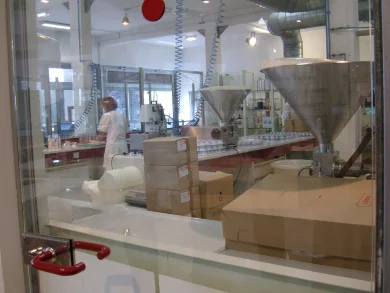
To reduce these risks, members of the European Parliament support the creation of strategic industrial projects in the EU, aimed at developing, modernizing, or expanding production capacities for critical medicines and their basic ingredients.
The report calls for EU and national funds to prioritize financing these projects and proposes the establishment of a European fund for the security of critical medicines within the next Multiannual Financial Framework.
Another key element is the revision of public procurement rules, so that contracts can be awarded to multiple suppliers for the same product, with a view to diversifying sources and distributing production across different member states.
The report also encourages cross-border joint procurement, including voluntary procedures involving multiple member states or coordinated purchases by the European Commission, especially for innovative, expensive medicines or those intended for rare diseases.
Members of the European Parliament call for the creation of a coordination mechanism at the EU level for national and emergency stockpiles of critical medicines. In exceptional situations, the Commission could have the authority to decide on the redistribution of medicines between member states as a last resort in case of severe shortages.
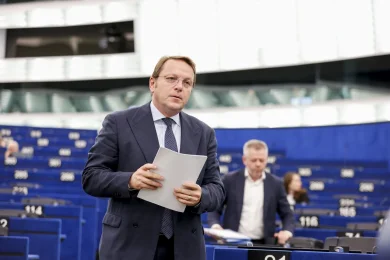
"Today's vote is a defining moment for Europe's health security. We are addressing persistent shortages, reducing dependence on external suppliers, and creating the conditions for a more resilient European pharmaceutical industry that ensures equitable access to essential medicines such as antibiotics, insulin, or vaccines," said Tomislav Sokol (EPP, Croatia), the rapporteur of the European Parliament.
In March 2025, the European Commission presented a proposal for a regulation on critical medicines, aimed at improving their availability and correcting market dysfunctions. The initiative is part of a broader effort to strengthen the EU's strategic autonomy in the health sector.
The position of the European Parliament is set to be put to a plenary vote in January 2026, after which negotiations with the EU Council on the final form of the regulation will begin.
Latest News
19:01
18:58
18:52
18:33
18:12
See more news
NEWS ON THE SAME TOPICS