The European Parliament and the European Council reach an agreement to harmonize the market for smart meters and chargers for electric vehicles.




Always see our news on Google
The negotiators of the European Parliament and the Council have reached a provisional agreement on new rules for the market introduction of measuring instruments. The update, awaited for over 20 years, will support the green transition by establishing common standards for new technologies, such as electric vehicle (EV) charging equipment and hydrogen meters.
The existing directive on measuring instruments for electricity, gas, and oil consumption was outdated and did not cover new technologies, which are essential for Europe's ecological goals. The update expands the scope to include a wider range of instruments. The new rules will now cover meters for cooling systems (in addition to those for thermal energy), devices that measure the consumption of new gases or hydrogen, and will take into account the rapid spread of smart metering.
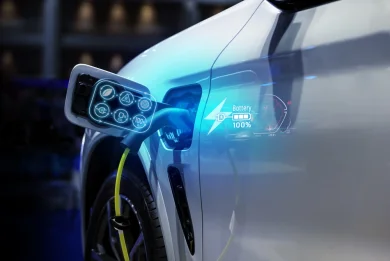
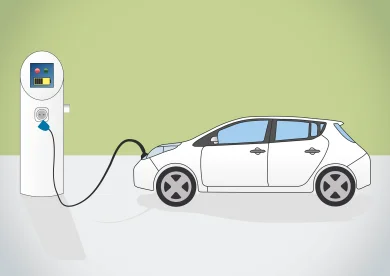
Additionally, the agreement will simplify the rules for EV chargers, facilitating the replacement of cables, and will provide greater flexibility for remote data display and monitoring, encouraging innovative solutions.
The legislative update was strongly requested by the industry. Until now, the absence of pan-European standards for metering systems (for example, for EV chargers or hydrogen technology) has led to different approaches in member states and market fragmentation, with equipment produced in one country not necessarily being compatible in another.
The new harmonized EU standards will establish common requirements for all manufacturers, facilitating market access, as products will be compatible and compliant in all EU countries. The harmonized elements aim at the reliability of devices, data security, protection against data corruption, and clear error margins.
For consumers, the new equipment that will be introduced to the market will measure household energy consumption in a more accurate, reliable, and robust manner. In the long term, this should also be reflected in fairer energy bills.
The Parliament's rapporteur, Zala Tomašić (EPP, SL), stated: "After more than 20 years, this agreement finally brings our measuring rules up to date. It means clearer, harmonized standards for new technologies – so that citizens can trust that what they pay for is what they get."
The provisional agreement now needs to be formally approved by the plenary of the European Parliament (vote expected in February/March) and by the Council. The law will come into force 20 days after publication in the Official Journal. Member states will have 24 months to transpose the new rules into national legislation, and companies will benefit from a transition period (of 30 or 48 months, depending on the device) to adapt.
Latest News
08:19
08:03
07:40
07:23
07:11
See more news
NEWS ON THE SAME TOPICS