EU discusses how it would respond to a large-scale hybrid attack resulting in numerous casualties




Always see our news on Google
Member states of the European Union are discussing, in a restricted format, how they would respond to a large-scale hybrid attack resulting in numerous casualties. The ambassadors of the 27 countries are examining the mobilization of emergency response teams, the use of EU funds and the coordination of public communication during a crisis.
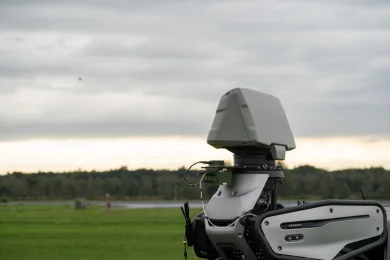
The discussions intensified after an explosive-laden drone was discovered at Leipzig Airport in August. In recent weeks, diplomats have also discussed scenarios in which cyberattacks, sabotage or covert operations could cause casualties on a large scale.
Brussels is preparing an emergency security protocol and a European security strategy, which could be presented at the beginning of November. Some capitals warn, however, that the new mechanisms could duplicate NATO structures and those already existing within the EU, such as the Integrated Political Crisis Response (IPCR), used during the pandemic and other crises.
In the event of a major attack, the affected state would decide the form of the response, while the EU could coordinate civilian and financial support. NATO would be expected to manage information sharing and military deterrence. Diplomats fear, however, that the lack of sufficiently secure European channels and the risk of sensitive information being disclosed could slow decision-making at a critical moment.
,Sources



Latest News
22:58
22:44
22:41
22:21
22:08
See more news
NEWS ON THE SAME TOPICS

.webp)