NATO is considering invoking Article 5 but is hesitant to act, despite the intensification of Russian hybrid attacks (Politico)



Always see our news on Google
NATO countries are, for now, avoiding tough measures against Russia despite an intensification of attacks on European critical infrastructure and weapons factories, POLITICO reports. The allies fear that a direct response could trigger an escalation and even open conflict with Moscow.
European capitals are discussing whether a buildup of hybrid attacks — sabotage, cyberattacks and drone incidents — could activate Article 5 of the NATO Treaty, which provides for collective defense. However, there is no consensus on this issue, and the alliance does not yet have an official coordinated response plan.
The debates have been intensified by a Russian drone that struck a train near the Polish-Ukrainian border over the weekend and by investigations into explosions at two weapons depots in Bulgaria. European officials warn that, although serious attacks have so far been thwarted, an incident resulting in casualties could seriously test NATO unity.
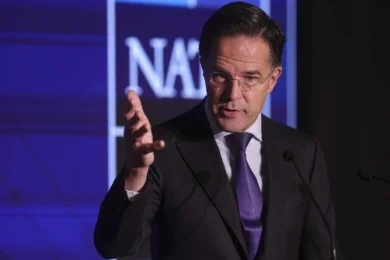
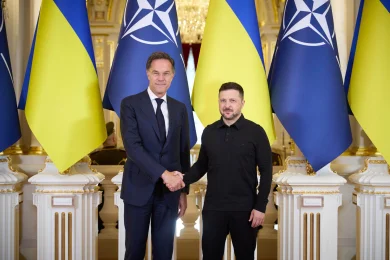
Secretary General Mark Rutte said that the alliance has “all response options,” but advocated continuing support for Ukraine. The options under consideration include a firmer joint statement, protecting critical infrastructure and establishing responses agreed in advance.
The European Union is also preparing measures against hybrid threats, but its reaction remains divided. Member states recently failed to extend sanctions against Russia, while the European Parliament is preparing resolutions describing Moscow as the most serious hybrid threat to the bloc.
Sources


Latest News
23:00
22:55
22:47
22:39
22:33
See more news
NEWS ON THE SAME TOPICS

.webp)