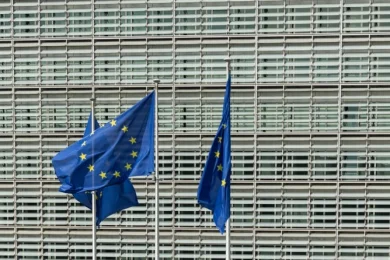
EU paves the way for rapid investments in defense. Provisional agreement between Parliament and Council under the ReArm Europe plan.



Always see our news on Google
Brussels, November 6, 2025 – Negotiators from the European Parliament and the Council of the European Union have reached a provisional agreement on the ReArm Europe legislative package, aimed at accelerating and coordinating defense investments more effectively at the Union level. The new initiative allows for more flexible use of existing European funds – such as Horizon Europe, Digital Europe, Connecting Europe Facility (CEF), Strategic Technologies for Europe Platform (STEP), and the European Defense Fund (EDF) – to support defense and dual-use (civil and military) projects.
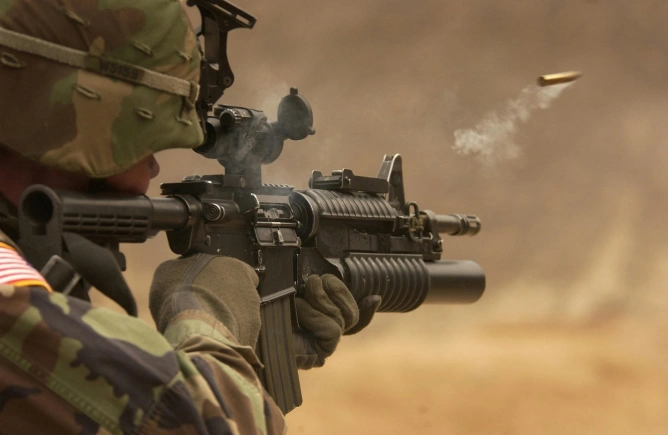
The package, dubbed the "mini-omnibus for defense," represents one of the key components of the ReArm Europe plan, launched by the Commission in April 2025 to increase defense spending and strengthen the industrial and technological base of the Union. In a context of rising geopolitical tensions, the agreement also provides for the integration of Ukraine into the European Defense Fund, granting it access to joint research and development projects, as part of a gradual integration process into the European defense ecosystem.
"Today's agreement is an important step in implementing the ReArm Europe plan and a clear signal that Europe is determined to invest in its own security. By opening key programs to defense investments, we strengthen our industrial base and our capacity to defend ourselves by 2030," said Troels Lund Poulsen, Denmark's Minister of Defense, whose country holds the rotating presidency of the EU Council.
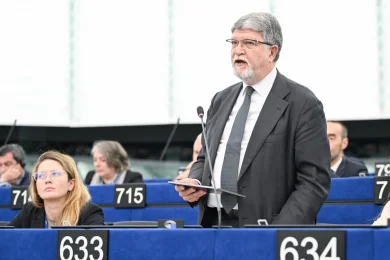
On the other hand, the European Parliament rapporteur Rihard Kols (ECR, Latvia) emphasized the political importance of the agreement: "This package is not just a technical adjustment, but a signal that the EU is treating defense investments with the seriousness that the times demand. The Parliament has shown that it is ready to move forward, and this agreement is just the beginning."
According to the agreed text, the Horizon Europe program will be able to finance civilian projects with dual-use potential, without affecting funds allocated for scientific research. At the same time, the STEP platform (Strategic Technologies for Europe Platform) will include "defense technologies" as the fourth strategic investment area, alongside digital, net zero, and biotechnology. Support will also be extended to SMEs, start-ups, and mid-cap companies, including those considered "non-bankable," through dedicated funding facilities.
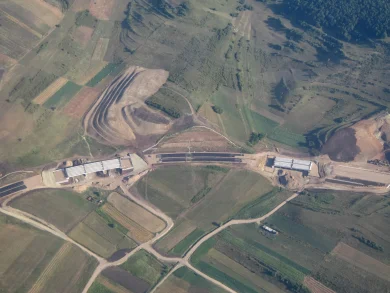
The agreement also provides for the financing of dual-use transport infrastructures – such as corridors for military mobility – through the CEF program, provided that origin criteria for equipment and services are respected. Additionally, the text strengthens the resilience component, including the protection of critical infrastructure, combating cyber threats, and defending electoral integrity.
Procedurally, the ITRE Committee of the Parliament will vote on the text on November 20, 2025, with the final plenary vote expected to take place by the end of the year. After formal approval by the Council, the regulation will enter into force at the beginning of 2026, allowing for the rapid launch of funding calls.
This agreement complements the defense readiness omnibus package still under analysis at the Council and follows the White Paper on European defense preparation 2030, through which European leaders have called for a coordinated increase in military spending and a strengthening of strategic supply chains.
Through ReArm Europe, the European Union is taking a decisive step towards a common industrial defense policy, based on cooperation among member states, investments in emerging technologies, and closer integration between the civilian and military industries.
For Romania, the ReArm Europe package offers a strategic opportunity to strengthen industrial cooperation in the defense sector and access European funding for dual-use projects, especially in the aerospace, cyber, energy, and military mobility sectors. Our country could participate, through its specialized companies and research institutes, in European consortia funded by the European Defense Fund (EDF), as well as in infrastructure projects supported by the Connecting Europe Facility (CEF). Additionally, the expansion of the STEP platform to defense technologies and the support given to SMEs and start-ups creates a favorable framework for innovative Romanian firms that can develop components, sensors, software, or integrated systems intended for both civilian and military uses. Politically, Romania could benefit from a stronger positioning in European industrial chains, especially through partnerships with member states like France and Poland, which promote the development of a Europe of defense capable of ensuring technological autonomy and collective security.
Latest News
14:15
14:05
13:49
13:31
13:17
See more news
NEWS ON THE SAME TOPICS
.webp)