One in three online retailers displays incorrect discounts for Black Friday and Cyber Monday in the EU




Always see our news on Google
A coordinated check by the European Commission and consumer protection authorities from 23 member states, plus Iceland and Norway, found frequent irregularities in displaying discounts, price comparisons, sales pressure techniques, and late added fees in the purchasing process.
One in three online retailers displays incorrect discounts for Black Friday and Cyber Monday in the EU. The coordinated check at the European level analyzed online trading practices during Black Friday and Cyber Monday and identified incorrectly displayed discounts, unclear price comparisons, and other tactics likely to influence consumer decisions.
The European Commission and consumer protection authorities from 23 member states, along with Iceland and Norway, found that 30% of the 314 online retailers checked displayed discounts incorrectly during Black Friday and Cyber Monday, in an investigation that monitored compliance with EU legislation regarding discounts and online trading practices.
In short 314 online retailers were checked as part of a coordinated action at the European level. 30% displayed incorrect discounts, although EU legislation requires that the reference price be the lowest price applied in the last 30 days. 36% attempted to add optional items to the cart, and in four out of ten such cases, consent was not clearly requested. 34% displayed price comparisons, and six out of ten of these did not clearly explain the basis of the comparison. 18% used sales pressure techniques, and more than half of these cases were considered misleading. Another 10% used "drip pricing," where additional costs appear late in the purchasing process.
The check, called a "sweep," was coordinated by the European Commission and carried out simultaneously by national enforcement authorities. The objective was to assess how discounts and pricing practices during major promotional events, such as Black Friday and Cyber Monday, comply with European consumer protection legislation.
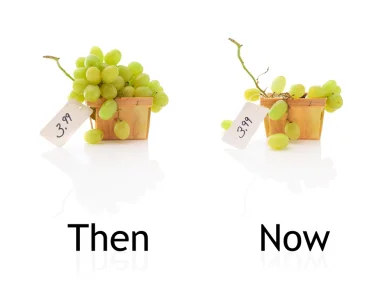
According to results published on Thursday, 30% of the checked retailers made incorrect references to discounts. The Commission reminds that, according to the Price Indication Directive, when a company announces a discount, the reference price must be the lowest price practiced in the last 30 days.
Along with the way discounts are displayed, authorities also checked other sales tactics likely to influence consumer decisions. Among the analyzed retailers, 36% attempted to add optional items to customers' carts, and in four out of ten such cases, consent was not clearly requested. Additionally, 34% displayed price comparisons, but six out of ten of these did not clearly explain the reference basis used for comparison.
The investigation also identified the use of sales pressure techniques by 18% of retailers, such as claims that a product is about to run out or countdown timers. The CPC network found that more than half of these cases were misleading. The Commission provides an example of a situation where a claimed stock shortage is false.
Another 10% of retailers used "drip pricing," meaning practices where additional costs, such as delivery or service fees, are added late in the purchasing process. The Commission emphasizes that adding items without the consumer's consent, misleadingly displaying prices, falsely claiming stock shortages, or hiding additional costs until the end of the process are illegal practices under EU consumer protection legislation. Following this check, national authorities can take action against the targeted retailers.
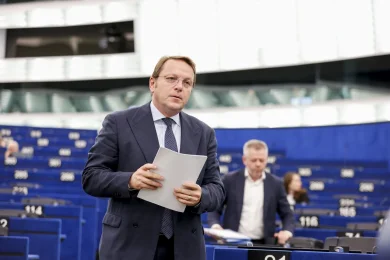
Executive Vice-President Henna Virkkunen stated that "Black Friday and Cyber Monday offer excellent opportunities for both companies and consumers. However, a very good offer is not an excuse to cheat the rules. Consumers expect to be treated fairly, whether they shop online or offline. Our check should serve as a reminder: companies that treat their customers fairly always have something to gain."
Commissioner Michael McGrath stated that "trust is essential for both consumers and companies. Misleading discounts and false 'promotions' undermine this trust. EU consumer protection rules establish a careful balance, ensuring a fair market that serves the interests of both companies and consumers. This check provides us with a comprehensive picture of the market, helping us identify where additional actions are needed to keep it fair, transparent, and competitive."
The Consumer Protection Cooperation network, CPC, brings together national authorities responsible for enforcing EU consumer protection rules. Under the coordination of the European Commission, these authorities collaborate to combat violations of consumer legislation in the single market.
The obligations of retailers regarding price reductions are provided by the Price Indication Directive, and the promotion of prices is also regulated by the Directive on Unfair Commercial Practices. The joint action involved Austria, Belgium, Bulgaria, Croatia, Cyprus, Czech Republic, Denmark, Estonia, France, Germany, Greece, Hungary, Ireland, Italy, Latvia, Lithuania, Luxembourg, Malta, Portugal, Romania, Slovenia, Spain, and Sweden, as well as Iceland and Norway.
https://2eu.brussels/ro/stiri/un-comerciant-online-din-trei-afiseaza-reduceri-incorecte-de-black-friday-si-cyber-monday-in-ue
Latest News
21:43
21:26
21:08
20:53
20:39
See more news
NEWS ON THE SAME TOPICS