Archaeologists discovered in Staraya Russa, Russia, the oldest amulet with Christian and pagan symbols in the region



Always see our news on Google
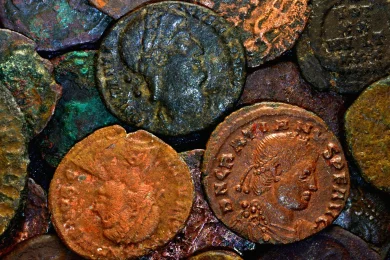
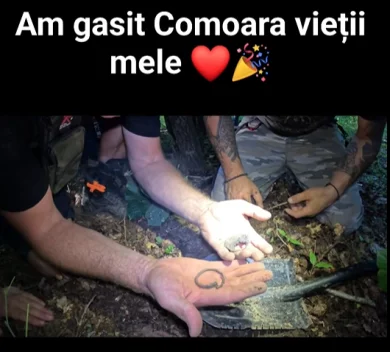
Archaeologists have discovered at Staraya Russa, in northwestern Russia, an 11th-century pendant combining Christian and pagan symbols. The artefact was found during this summer’s excavation campaign, in an archaeological layer of a medieval settlement, and is considered the oldest amulet of its kind identified in the region.
The pendant, made of copper alloy, bears depictions on both sides. One side shows a warrior saint with a spear and shield, whom researchers associate with Saint Theodore Stratelates. The other side depicts a woman’s head with hair transformed into snakes, an image that could represent the Gorgon Medusa or the monster slain by the saint.
Artefacts of this type are known as “snake amulets” and are also associated with four discoveries from local Christian sites, though those date from the 12th to the 14th centuries. The new discovery indicates that a Christian community existed at Staraya Russa earlier than previously believed.
Researchers say that the combination of images could symbolise the victory of light over darkness. The tradition of such pendants is thought to have reached Russia from the Byzantine Empire, while the use of copper suggests that the object belonged to a member of the middle class. The discovery reflects the coexistence of Christian symbols and pagan traditions in Russia approximately a millennium ago.
Sources


Latest News
11:02
10:55
10:40
10:25
10:06
See more news
NEWS ON THE SAME TOPICS