ANALYSIS The Blockage in the Strait of Hormuz: Why the next major global crisis could be on the food shelf, not just at the pump



Always see our news on Google
In recent weeks, public debate has intensely focused on the "fuel crisis" generated by the closure of the Strait of Hormuz, the shock of oil prices, and the risk of a new wave of price increases at the pump, in transport and industry. However, analyses show that this blockage could also trigger a global food crisis, as it simultaneously affects the flows of fertilizers, agricultural production costs, and countries that are deeply dependent on food imports.
A prolonged blockage of the Strait of Hormuz would thus hit the global food chain in three main ways: through the shock of fertilizers and agricultural inputs, through the brutal increase in transport and production costs, and through the extreme vulnerability of net food-importing states in the Gulf and the Global South. Romania would feel the effects mainly through higher food and input prices, volatility in agri-food export markets, and additional pressures on inflation, not through immediate physical shortages.
Why Hormuz means fertilizers, not just oil
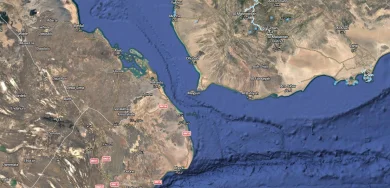
The Strait of Hormuz is not just a "tap" for about 20% of global oil consumption and a significant part of natural gas exports, but also an essential corridor for nitrogen fertilizers. Iran, Qatar, Saudi Arabia, the United Arab Emirates, and Bahrain depend on Hormuz to export their ammonia and urea production, and these countries together accounted for about a quarter of global ammonia trade and a third of urea trade in 2024.
Blocking or militarizing the route cuts access to these volumes for markets in Asia, Africa, and Europe, which pushes global fertilizer prices up. International organizations such as the United Nations, through UNCTAD and FAO, as well as research institutes specialized in food policies, such as the International Food Policy Research Institute (IFPRI), draw attention to the fact that the collapse of maritime traffic in the area is already leading to higher natural gas prices, a raw material for fertilizers, amplifying the domino effect on agricultural production costs globally.
Fertilizer channel → agricultural production → food prices
The key link between Hormuz and a potential global food crisis is the fertilizer-harvest-prices chain. Ammonium and urea-based nitrogen fertilizers are essential for yields of staple crops such as wheat, corn, and soybeans. If between 25% and 35% of the global flow of such products is severely restricted or diverted to longer routes, prices rise sharply, and regional availability becomes uneven. Under conditions where farmers are already facing high energy and credit costs, the rising cost of fertilizers leads either to reduced application rates or to a decrease in intensively cultivated areas, which negatively impacts production.
Recent economic analyses warn that the wave of fertilizer price increases, combined with the energy shock, could generate a new episode of "cost-push" inflation in agriculture, where food inflation is primarily driven by rising production costs. Previous experiences, from the food price crisis of 2007-2008 to the war in Ukraine, show that such shocks transmit relatively quickly to international prices for grains and vegetable oils, especially in the case of import-dependent states.
Logistics chains: from Hormuz to the shelf
Even where there is no physical goods deficit, the way goods circulate is disrupted. Shipowners and major container lines are increasingly avoiding routes considered high-risk and are diverting ships around the Cape of Good Hope, replicating the model used during the crisis in the Red Sea. Transport costs have risen sharply, and some routes for agri-food products to and from the Gulf have jumped from about $3,400 to over $15,000 per container, with additional surcharges of thousands of dollars per unit. "War" clauses in transport contracts allow for the redirection of goods to alternative ports, leading to delays, congestion, and the risk that perishable products may be wasted.
For Gulf countries, which ensure between 80% and 98% of their food needs through imports, logistical disruption through Hormuz risks becoming the most severe supply chain shock since the pandemic and the beginning of the war in Ukraine. Analyses are already signaling price increases announced by retailers in the region of up to 20% for certain categories of food products, especially where alternative routes are limited.
The Global South and the risk of a food crisis
Although the first effects are seen in wealthy energy and fertilizer-importing countries, the heaviest burden is expected to be borne by emerging economies and countries with chronic food insecurity.
Fragile economic development and the high share of food in the consumer basket mean that price increases disproportionately hit poor households. For many African and Asian states, access to cheap fertilizers from the Gulf has been a key factor in stabilizing grain production over the last decade. Export restrictions, precautionary stockpiling, and episodes of panic in commodity markets can turn a price crisis into an access crisis, where food exists but is no longer affordable for large segments of the population.
Experts warn that, in the scenario of a prolonged conflict, the "heavy collateral" could be borne by the Global South, which simultaneously depends on food imports, external financing, and increasingly volatile weather conditions. Meanwhile, institutions such as Oxford Economics note that this shock is somewhat smaller in aggregate magnitude than that generated by the Russian invasion of Ukraine, but it may have more widespread and persistent effects on the most vulnerable, precisely because it simultaneously affects energy, fertilizers, and logistics.
Macroeconomic impact: inflation, consumption, and stability
The food reverberations of the conflict are already visible in updated macroeconomic forecasts. Oxford Economics has revised upward its estimates for energy and food prices and, implicitly, the global inflation forecast for consumer prices for 2026, to around 4%, alongside a reduction in global GDP growth to about 2.6%. Rising energy prices "filter through" to transport, distribution, electricity, and wage costs, fueling widespread inflationary pressures in developed economies, including in the euro area.
European economists and officials, from the President of the European Central Bank, Christine Lagarde, to the Vice President of the European Commission for Economy, Valdis Dombrovskis, warn that a prolonged shock to energy and fertilizers would force central banks to maintain or even tighten monetary policy, risking further dampening consumption and investment. For farmers in the United States and Europe, the combination of higher diesel, input, and financing prices is already translating into smaller margins and cautious production decisions, as warned by organizations such as the National Farmers’ Union in the UK, as well as analyses conducted by the BBC, Deutsche Welle, or CNN, and this context may limit agricultural supply globally.
How Romania could be affected
Romania enters this picture not as a state vulnerable to immediate shortages, but as an open economy, integrated into the European single market and strongly connected to international agricultural markets.
On the energy and cost channel, Brent oil at around $113 per barrel in the second quarter and a slow normalization of the market would mean persistently higher costs for fuels, electricity, and gas, with a chain effect on transport, storage, and food processing. Meanwhile, European fertilizer markets would feel the pressure of rising prices and supply shortages from the Gulf, even if part of the need is covered by production and alternative imports from the region.
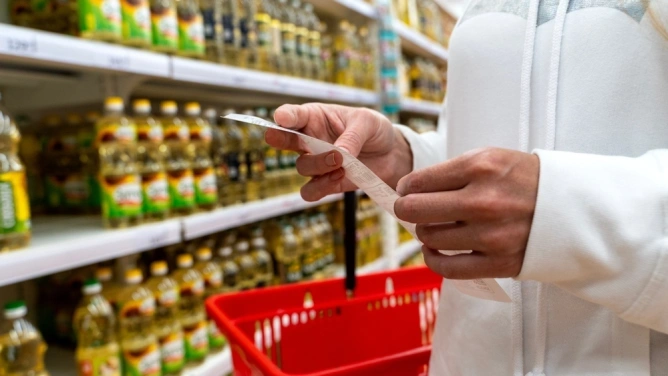
For Romanian agriculture, the immediate implications would be multiple. Higher costs for fertilizers and fuel would pressure farmers' margins and could lead some farms to reduce inputs or postpone investments. Increased volatility in grain and oilseed prices on international exchanges would mean higher risks, but also potential price opportunities for exporters, depending on the harvest calendar and weather conditions. The shock would partially transmit to shelf prices, especially for processed products with a high share of energy and transport in the final cost, a phenomenon already signaled in other European economies as an effect of the conflict.
On the macroeconomic channel, higher global inflation and a slowdown in growth in the euro area would affect external demand for Romanian exports of goods and services, including for value-added agri-food products. This context could complicate internal efforts to bring inflation onto a downward trajectory and maintain robust economic growth, especially if food pressures combine with fiscal vulnerabilities or regional climate shocks.
Socially, the main challenge for Romania would be to protect vulnerable categories in the face of a possible new round of price increases for basic foodstuffs, against the backdrop of the external effects of the war in Iran. Depending on the magnitude and duration of the shock, the mix of policies will decisively matter, from support measures to fiscal consolidation and investments in the resilience of agri-food chains, to limit the risk that a price crisis turns into one of access to food.
*****Synthesis made with the help of a data monitoring flow provided by the media monitoring platform NewsVibe Romania. The analysis, data, and images presented have been enhanced with the help of Machine Learning and Artificial Intelligence tools.
Latest News
13:41
13:35
13:34
13:27
13:15
See more news
NEWS ON THE SAME TOPICS

















.webp)