BAFTA 2026 analysis ignited the Oscars: stars, surprises and how the audience reacted to "One Battle After Another"



Always see our news on Google
BAFTA 2026 was less about statistics and more about faces, reactions in the hall, and the explosive conversation online, which now directly pressures Oscar voters.
The night when "One Battle After Another" became "the film you can't escape"
"One Battle After Another" left the Royal Festival Hall with six trophies, including "Best Film," and was practically present in every montage and every joke on stage. Memes started instantly: from "One Award After Another" to collages of DiCaprio and Sean Penn lifting the same film on their shoulders, a sign that the audience clearly understood the message – this is the title to beat at the Oscars.
On social media, the vibe was mixed: part of the fans savored the victory of a serious film with an authorial pedigree, while others had already started the typical seasonal laments – "The Academy will reward the heaviest film again, not the most loved." For Hollywood, this combination is perfect: critical respect plus pop polarization = ongoing discussion until Oscar night.
Jessie Buckley, the queen of "Hamnet" and the internet's favorite
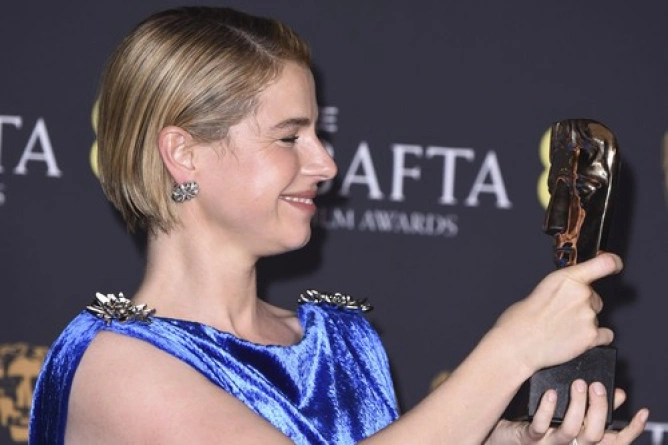
If "One Battle After Another" dominated in terms of film, in terms of charisma in the hall, the winner was Jessie Buckley (photo). Her speech for "Best Actress" ("Hamnet") – emotional but self-ironic, with jokes about Shakespeare and award anxiety – has already been cut into dozens of clips reposted on X, TikTok, and Instagram.
For the fandom, Buckley checked exactly what matters for a campaign year: a unanimously praised performance, a film with a strong British identity, and a viral moment at BAFTA, coming after an entire season of buzz. In pop logic, she enters the category of "it-girl with substance": not just an Oscar favorite, but also a face that sells interviews, covers, and brand campaigns.
The shock of Robert Aramayo: insider or new global star? The most discussed moment of the evening, beyond the victorious march of "One Battle After Another," was the BAFTA award for "Best Actor" won by Robert Aramayo ("I Swear"). In a field dominated by Leonardo DiCaprio and Timothée Chalamet, Aramayo's victory had the air of a "plot twist" written for social media: an actor known more by connoisseurs, suddenly thrust into the global spotlight.
Online reactions oscillated between enthusiasm ("finally an award for a non-blockbuster role") and frustration ("Leo goes home empty-handed again"). For the Oscars, the signal is ambiguous: Aramayo's chances to replicate the victory are slim, but the aura of "BAFTA-winner" completely resets his career and transforms him into one of the most watched casting names in the coming years.
Supporting actors: Wunmi Mosaku, Sean Penn, and the effect of "gifs"
In the supporting categories, the energy was more pure pop than in many recent editions. Wunmi Mosaku ("Sinners") received an enthusiastic reception in the hall, and the clip of her almost falling off her chair when her name was read became an instant reaction gif. This kind of moment matters for a long season: it's not just a trophy, but also a charming story that American talk shows can’t wait to exploit.
Sean Penn, on the other hand, delivered the Hollywood legend version that takes on an intense role in an auteur film and "recharges" the capital of respected actor with a BAFTA for "Supporting Actor." Fans shared reactions oscillating between nostalgic ("Penn back in awards mode") and jokes about how such a serious film suddenly becomes "cool" for a generation that knows him more from memes and scandal chronicles than from his filmography.
Influences in the Oscar race
For the public, BAFTA 2026 clearly set the distribution of emotions:
"One Battle After Another" – the heavy, serious film with DiCaprio and Penn, talked about as the "great inevitable" of the season.
"Hamnet" – the British drama with Jessie Buckley in the spotlight, the favorite of the cinephile fandom and the internet.
"I Swear" – the cult title that gave rise to the story of Robert Aramayo, "the BAFTA boy" that Hollywood will now have to take seriously.
Trends
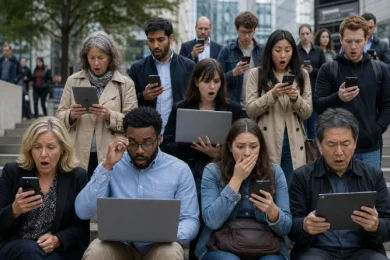
On TikTok and X, BAFTA 2026 functioned as a global "watch party" for the Oscars. Jessie Buckley's speech generated a wave of short clips, with indie soundtracks and captions like "mother is mothering," while Robert Aramayo's moment was cut into reactions of "who is this guy and why do I suddenly love him?", a sign that platforms quickly adopted the new narrative of "outsider turned star." In the camp of "One Battle After Another," clips of DiCaprio and Sean Penn on stage and in the hall fueled both nostalgic memes and a small backlash regarding the fact that "the same white men" dominate the awards – a type of conversation that doesn't necessarily change the vote but reorients how the film is discussed outside the cinephile bubble.
For fashion brands, BAFTA 2026 was practically the first general rehearsal for campaigns around the Oscars. The fashion houses that dressed Jessie Buckley and Wunmi Mosaku immediately pushed images from the red carpet on social media, repackaged as "Oscar season capsules," betting on the fact that the two are now associated with a mix of validated talent and cool authenticity. At the same time, the houses that "signed" DiCaprio – and, more recently, Aramayo – adjusted their storytelling: from the classic narrative of the established star to that of "the new face of awards season," in Aramayo's case, a shift that shows how the fashion industry catches on much faster than the Academy the potential star-system of the moment.
In pop culture logic, BAFTA did not decide the Oscars, but clearly established who the main characters of the final act are: who takes home a statue at the Dolby Theatre is important, but who captures the attention of timelines until the night of the ceremony has already been seen in London.
Analysis conducted with the support of the NewsVibe platform and Perplexity
Latest News
22:52
22:48
22:43
22:38
22:20
See more news
NEWS ON THE SAME TOPICS