The European Union sanctions Iranian officials for restricting navigation through the Strait of Hormuz
2eu.brussels


EU
Foto: 2eu.brussels

Always see our news on Google
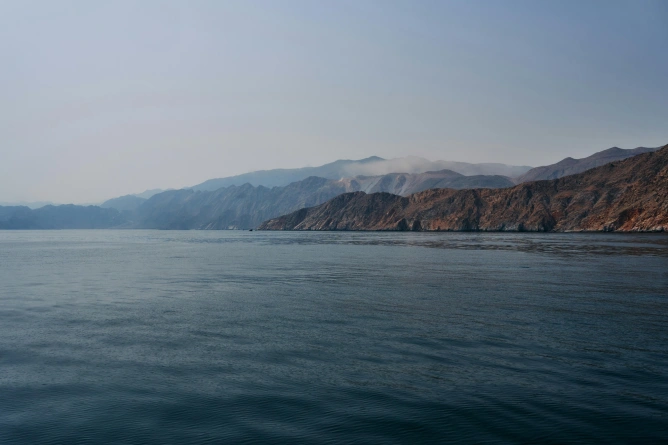
The Council of the European Union approved sanctions on Monday against two individuals and one entity accused of supporting Iran's actions that affect freedom of navigation in the Strait of Hormuz. The measures were adopted under the expanded legal framework of the sanctions regime regarding Iran, which now allows targeting actors involved in limiting legal maritime transit in the Middle East.
In brief
The European Union has sanctioned the Hormozgan Provincial Command of the Islamic Revolutionary Guard Corps Navy, as well as two individuals associated with Iranian policies regarding transit through the Strait of Hormuz. The Council states that the Islamic Revolutionary Guard Corps Navy has introduced a system whereby vessels must provide identification data, information about cargo, and destination details. According to the Council, this data is transmitted to the Hormozgan Provincial Command, which checks the vessels and decides whether they can transit the strait, sometimes after the payment of fees. The listed individuals and entities are subject to asset freezes, and European citizens and companies from the Union cannot make funds or economic resources available to them. The expanded sanctions regime now applies to 26 individuals and legal entities and 27 entities from several countries.
The targeted entity is the Hormozgan Provincial Command of the Islamic Revolutionary Guard Corps Navy, already listed by the European Union. The Council states that the Islamic Revolutionary Guard Corps Navy has taken control of the Strait of Hormuz and has introduced a fee system for vessels transiting the area.
According to the statement, vessels are required to submit identification documents, information about cargo, and details regarding the destination. This information reaches the Hormozgan Provincial Command, which uses it to verify the vessels and determine which of them can pass through the strait.
The Council states that these practices violate international law and affect the rights of transit passage and innocent passage through international straits. The Strait of Hormuz is a critical point for international maritime transport, including energy flows from the Persian Gulf to global markets.
The two listed individuals are Mohammad Akbarzadeh and Hamid Hosseini. The Council states that Akbarzadeh, deputy for political affairs of the Islamic Revolutionary Guard Corps Navy and spokesperson for the organization, supports Iran's actions that impede legal transit and freedom of navigation.
In Akbarzadeh's case, the Council specifies that the Islamic Revolutionary Guard Corps Navy "undermines freedom of navigation in the Strait of Hormuz by implementing a fee system and by threatening, harassing, and attacking several commercial vessels in the region." In the same capacity, Akbarzadeh is accused of threatening to use missiles or drones against vessels transiting the strait.
Hamid Hosseini is presented by the Council as a representative of the Union of Iranian exporters of petroleum products, gas, and petrochemicals and a member of the Iran Chamber of Commerce. The Council states that he promotes the policy whereby vessels must submit data, be assessed, and pay transit fees to Iranian authorities for safe passage through the Strait of Hormuz.
The individuals and entities targeted by the sanctions regime are subject to asset freezes. Furthermore, it is prohibited to make funds or economic resources available to them, directly or indirectly, and the listed individuals cannot enter the territory of the European Union.
The European Council called, in the conclusions of March 19, 2026, for the full implementation of UN Security Council Resolution 2817. The conclusions reiterated the need to ensure maritime security and respect for freedom of navigation and condemned acts that threaten navigation or prevent vessels from entering and exiting the Strait of Hormuz.
On April 9, 2026, the High Representative of the Union for Foreign Affairs and Security Policy called, on behalf of the European Union, for the respect of the ceasefire agreed upon by the United States and Iran and for the guarantee of freedom of navigation and safe and free passage through the Strait of Hormuz. The Council then expanded, on May 22, 2026, the sanctions framework regarding Iran to include individuals and entities involved in actions that affect freedom of navigation in the Middle East.
In brief
The European Union has sanctioned the Hormozgan Provincial Command of the Islamic Revolutionary Guard Corps Navy, as well as two individuals associated with Iranian policies regarding transit through the Strait of Hormuz. The Council states that the Islamic Revolutionary Guard Corps Navy has introduced a system whereby vessels must provide identification data, information about cargo, and destination details. According to the Council, this data is transmitted to the Hormozgan Provincial Command, which checks the vessels and decides whether they can transit the strait, sometimes after the payment of fees. The listed individuals and entities are subject to asset freezes, and European citizens and companies from the Union cannot make funds or economic resources available to them. The expanded sanctions regime now applies to 26 individuals and legal entities and 27 entities from several countries.
The targeted entity is the Hormozgan Provincial Command of the Islamic Revolutionary Guard Corps Navy, already listed by the European Union. The Council states that the Islamic Revolutionary Guard Corps Navy has taken control of the Strait of Hormuz and has introduced a fee system for vessels transiting the area.
According to the statement, vessels are required to submit identification documents, information about cargo, and details regarding the destination. This information reaches the Hormozgan Provincial Command, which uses it to verify the vessels and determine which of them can pass through the strait.
The Council states that these practices violate international law and affect the rights of transit passage and innocent passage through international straits. The Strait of Hormuz is a critical point for international maritime transport, including energy flows from the Persian Gulf to global markets.
The two listed individuals are Mohammad Akbarzadeh and Hamid Hosseini. The Council states that Akbarzadeh, deputy for political affairs of the Islamic Revolutionary Guard Corps Navy and spokesperson for the organization, supports Iran's actions that impede legal transit and freedom of navigation.
In Akbarzadeh's case, the Council specifies that the Islamic Revolutionary Guard Corps Navy "undermines freedom of navigation in the Strait of Hormuz by implementing a fee system and by threatening, harassing, and attacking several commercial vessels in the region." In the same capacity, Akbarzadeh is accused of threatening to use missiles or drones against vessels transiting the strait.
Hamid Hosseini is presented by the Council as a representative of the Union of Iranian exporters of petroleum products, gas, and petrochemicals and a member of the Iran Chamber of Commerce. The Council states that he promotes the policy whereby vessels must submit data, be assessed, and pay transit fees to Iranian authorities for safe passage through the Strait of Hormuz.
The individuals and entities targeted by the sanctions regime are subject to asset freezes. Furthermore, it is prohibited to make funds or economic resources available to them, directly or indirectly, and the listed individuals cannot enter the territory of the European Union.
The European Council called, in the conclusions of March 19, 2026, for the full implementation of UN Security Council Resolution 2817. The conclusions reiterated the need to ensure maritime security and respect for freedom of navigation and condemned acts that threaten navigation or prevent vessels from entering and exiting the Strait of Hormuz.
On April 9, 2026, the High Representative of the Union for Foreign Affairs and Security Policy called, on behalf of the European Union, for the respect of the ceasefire agreed upon by the United States and Iran and for the guarantee of freedom of navigation and safe and free passage through the Strait of Hormuz. The Council then expanded, on May 22, 2026, the sanctions framework regarding Iran to include individuals and entities involved in actions that affect freedom of navigation in the Middle East.

Latest News
10:04
Luca Niculescu: “No one offered me a guarantee that this government would pass”
09:49
Annual inflation rose again in September and reached 6.6%, according to the National Institute of Statistics
09:32
Rumen Radev announces that two ships were hit by drones in the Black Sea/ One may have sunk, while 12 people may have been injured
09:21
ANM announces temperatures lower than normal until the beginning of November
09:18
EXCLUSIVE | October 13, 2026. Online Search Trends / Last 24 Hours
See more news
NEWS ON THE SAME TOPICS
.webp)


Personalized news feed, AI-powered search, and notifications in a more interactive experience.













.webp)