The European Commission launches the first Strategy on intergenerational fairness and proposes an "intergenerational contract" for integrating long-term thinking into EU policies.
2eu.brussels


EU
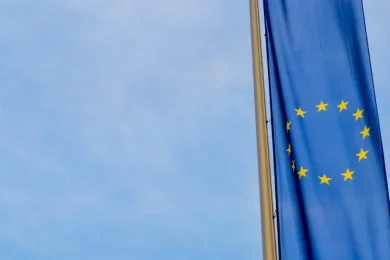
Foto: 2eu.brussels

Always see our news on Google
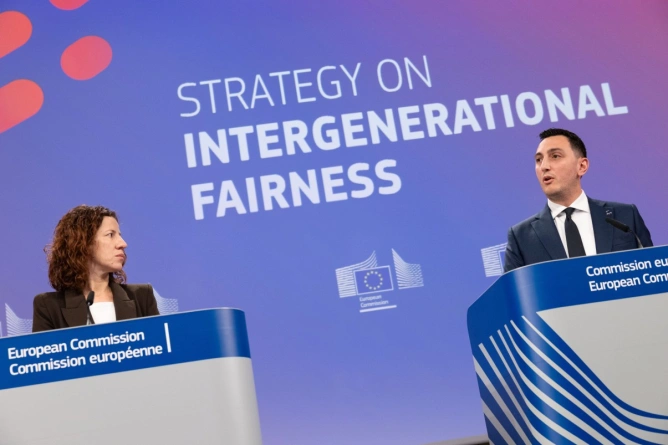
The European Commission has adopted the first Strategy on intergenerational fairness, a political framework aimed at systematically introducing long-term thinking into the Union's decision-making process and ensuring a fair balance between the benefits and responsibilities of different generations.
In short
The strategy introduces the concept of an "intergenerational contract" based on fair policies, fair opportunities, and fair territories. The Commission proposes new tools, including the Intergenerational Fairness Index and the systematic application of a "youth check" in policy-making. Initiatives such as "Voices of the Future" and a forum on demographics will involve local and regional authorities in the debate about the future of generations. The strategy addresses structural challenges such as demographic changes, the labor market, climate change, digitalization, and artificial intelligence. A progress report is expected at the beginning of 2028, in the context of the UN's global process on future generations. The strategy was developed based on the recommendations of a European citizens' panel made up of 150 people from all member states.
The European executive aims through this strategy to transform the concept of solidarity between generations into an operational principle of EU policies. Executive Vice-President Roxana Mănezatu explained that the strategy seeks to "how we turn the principles of solidarity between generations into practice." She emphasized that intergenerational equity may seem abstract, but it is "practical" and "logical," as the political decisions made today shape the lives of future generations.
In this context, Mănezatu used the image of the "empty chair at the table" to describe the responsibility of decision-makers: that chair symbolizes "those who have not yet been born or those too young to speak for themselves, but whose lives are shaped by our decisions." She added that the responsibility of institutions is clear: "today's decisions must not become tomorrow's burdens" and must expand opportunities for future generations.
The strategy is built around the concept of an "intergenerational contract," which establishes three main pillars. The first is "fair policymaking," by introducing a long-term perspective in policy development and by using foresight analysis tools. The second is "fair opportunities," which aims to reduce the risk of age-based discrimination and promote equality of opportunity between generations. The third is "fair places," which recognizes that geography influences opportunities and that the place where a person is born should not limit their future.
The Commissioner for intergenerational equity, Glenn Micallef, explained that the strategy is the result of a year-long consultation process and that many of its concepts come directly from these consultations. He stated that the Commission's approach is based on two main directions: integrating long-term thinking into policy-making and amplifying the voices of young people in the decision-making process. In a Europe that is aging demographically, he said, there is a risk that the voice of young people will be overshadowed by older generations, and institutions have the responsibility to make it stronger.
The strategy includes several concrete tools for implementation. One of these is the Intergenerational Fairness Index, a set of indicators designed to transform the perception of intergenerational equity into a measurable tool that allows for the assessment of the impact of policies on the social and economic capital of future generations.
Another initiative is "Voices of the Future," developed together with the Committee of the Regions, which will invite local and regional authorities to involve different generations in reflecting on the future of their communities. The strategy also includes the "Futures Balance" project, developed together with the United Nations and based on artificial intelligence, which will analyze alternative scenarios and assess the long-term consequences of political decisions.
According to the Commission, these initiatives are part of a set of 15 actions that are to be implemented in the next 12 months. Their results will contribute to the planned progress report for the beginning of 2028, which will represent the European Union's contribution to the UN process on future generations.
The strategy on intergenerational equity was announced in the Commission's political guidelines for the period 2024-2029, in which Ursula von der Leyen promised that the Union must ensure that the decisions made today do not negatively affect future generations. The document was developed based on research conducted by the Joint Research Centre and public consultations, including through a European citizens' panel made up of 150 people from all member states, who formulated 24 recommendations on intergenerational equity.
In short
The strategy introduces the concept of an "intergenerational contract" based on fair policies, fair opportunities, and fair territories. The Commission proposes new tools, including the Intergenerational Fairness Index and the systematic application of a "youth check" in policy-making. Initiatives such as "Voices of the Future" and a forum on demographics will involve local and regional authorities in the debate about the future of generations. The strategy addresses structural challenges such as demographic changes, the labor market, climate change, digitalization, and artificial intelligence. A progress report is expected at the beginning of 2028, in the context of the UN's global process on future generations. The strategy was developed based on the recommendations of a European citizens' panel made up of 150 people from all member states.
The European executive aims through this strategy to transform the concept of solidarity between generations into an operational principle of EU policies. Executive Vice-President Roxana Mănezatu explained that the strategy seeks to "how we turn the principles of solidarity between generations into practice." She emphasized that intergenerational equity may seem abstract, but it is "practical" and "logical," as the political decisions made today shape the lives of future generations.
In this context, Mănezatu used the image of the "empty chair at the table" to describe the responsibility of decision-makers: that chair symbolizes "those who have not yet been born or those too young to speak for themselves, but whose lives are shaped by our decisions." She added that the responsibility of institutions is clear: "today's decisions must not become tomorrow's burdens" and must expand opportunities for future generations.
The strategy is built around the concept of an "intergenerational contract," which establishes three main pillars. The first is "fair policymaking," by introducing a long-term perspective in policy development and by using foresight analysis tools. The second is "fair opportunities," which aims to reduce the risk of age-based discrimination and promote equality of opportunity between generations. The third is "fair places," which recognizes that geography influences opportunities and that the place where a person is born should not limit their future.
The Commissioner for intergenerational equity, Glenn Micallef, explained that the strategy is the result of a year-long consultation process and that many of its concepts come directly from these consultations. He stated that the Commission's approach is based on two main directions: integrating long-term thinking into policy-making and amplifying the voices of young people in the decision-making process. In a Europe that is aging demographically, he said, there is a risk that the voice of young people will be overshadowed by older generations, and institutions have the responsibility to make it stronger.
The strategy includes several concrete tools for implementation. One of these is the Intergenerational Fairness Index, a set of indicators designed to transform the perception of intergenerational equity into a measurable tool that allows for the assessment of the impact of policies on the social and economic capital of future generations.
Another initiative is "Voices of the Future," developed together with the Committee of the Regions, which will invite local and regional authorities to involve different generations in reflecting on the future of their communities. The strategy also includes the "Futures Balance" project, developed together with the United Nations and based on artificial intelligence, which will analyze alternative scenarios and assess the long-term consequences of political decisions.
According to the Commission, these initiatives are part of a set of 15 actions that are to be implemented in the next 12 months. Their results will contribute to the planned progress report for the beginning of 2028, which will represent the European Union's contribution to the UN process on future generations.
The strategy on intergenerational equity was announced in the Commission's political guidelines for the period 2024-2029, in which Ursula von der Leyen promised that the Union must ensure that the decisions made today do not negatively affect future generations. The document was developed based on research conducted by the Joint Research Centre and public consultations, including through a European citizens' panel made up of 150 people from all member states, who formulated 24 recommendations on intergenerational equity.

Latest News
21:27
47 suspects arrested in an investigation into a drug-trafficking network linked to murders and grenade attacks
21:23
Donald Trump defends his candidacy for the Nobel Peace Prize: “Maybe I prevented the total destruction of the world”
21:19
Parliament Calls for Any Future EU Agreement with Azerbaijan to Be Conditional on the Release of Political Prisoners
21:03
Mark Carney, after Anne Carson received the Nobel Prize in Literature: It is a source of great pride for Canada
20:48
The European Parliament refuses to recognize the new Russian Duma and calls on EU member states to avoid official contacts
See more news
NEWS ON THE SAME TOPICS


Personalized news feed, AI-powered search, and notifications in a more interactive experience.