



The EU and Ukraine launch a partnership for the joint production of war-tested drones.
Liviu Brăteanu


EU
shutterstock.com

Always see our news on Google
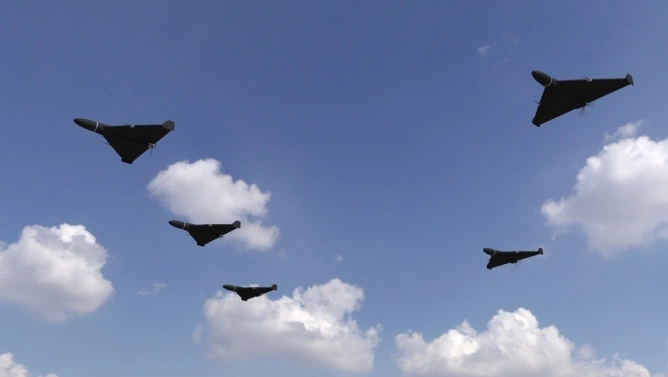
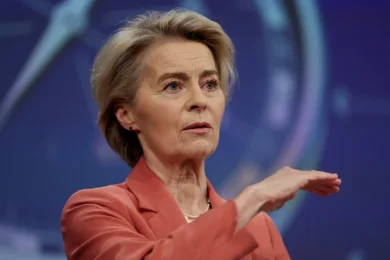
The European Union and Ukraine will jointly produce drones and anti-drone systems, using the experience gained by Ukrainian forces in war and the industrial capacity available in European states. The new partnership was announced in Kyiv by the President of the European Commission, Ursula von der Leyen, who presented it as a "drone agreement" between the EU and Ukraine.
In short, the European Union and Ukraine are launching an industrial partnership in the defense sector, focused on the joint development and production of drones and anti-drone systems. Ukraine will contribute its experience gained in the design, manufacturing, and use of drones on the front, including knowledge about radars, sensors, ground stations, and supply chains. Europe will contribute factories, technological capacity, funding, and production sites that can enable large-scale equipment manufacturing. The partnership aims to simultaneously support the Ukrainian defense industry and strengthen European capacity to respond to incursions and drone attacks. The Commission did not specify the financial value of the agreement, the participating companies, the types of drones that will be produced, or the timeline for launching the first projects.
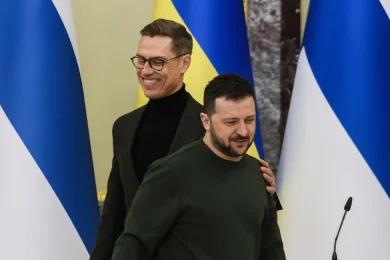
Ursula von der Leyen and Ukrainian President Volodymyr Zelenskyy launched a new industrial partnership between the European Union and Ukraine for drones and anti-drone systems in Kyiv.
The Commission President described the initiative as "our own drone agreement," following agreements concluded by Ukraine in recent months with several European and Middle Eastern countries.
The partnership builds on the experience gained by Ukraine in using drones in a high-intensity war. Ukrainian forces have rapidly adapted equipment, software, and operating methods based on changes on the front and countermeasures developed by Russia.
The experience does not only concern the aircraft. It includes organizing production, identifying necessary components, continuous supply, using radars and sensors, operating ground stations, and integrating drones with command and defense systems.
"The knowledge you have accumulated about how to use drones and anti-drone systems is truly unique," von der Leyen stated.
The Commission believes that this knowledge can be combined with the European industrial base. EU states have technology companies, component manufacturers, capital, and facilities that can enable the transition from limited series to larger-scale production.
"In Europe, we already have a huge technological and industrial capacity that can be mobilized. We also have secure production sites that can contribute to increasing production," said the Commission President.
However, Europe does not have the same operational experience accumulated by Ukraine in real combat conditions. The partnership aims to eliminate this gap through joint projects, knowledge exchange, and coordinated industrial production.
The initiative covers both drones and systems intended for their detection, tracking, and neutralization. These may include radars, sensors, jamming equipment, software, control stations, and other components necessary for the functioning of a complete system.
Von der Leyen cited incursions and drone alerts recorded in several member states to justify the development of a European capacity of its own. She stated that events in Ukraine and other regions have shown the need for systems tested in real conditions, available quickly and in sufficient quantities.
The partnership may also allow for the manufacturing of components in multiple states, so that production does not depend on a single site or supplier. However, the speech did not provide information about the distribution of factories, intellectual property, or access for Ukrainian companies to European contracts.
The Commission did not present a budget for the new initiative or the European sources from which the projects could be funded. No contracts, selected companies, annual production capacities, or deadlines for the first equipment have been announced.
The agreement does not represent, based on the published information, a European order for a set number of drones. It creates the political framework for industrial cooperation, with investments and concrete projects to be established later.
Von der Leyen stated that joint production must provide a "decisive boost" to investments and manufacturing of equipment in both defense industries.
Ukraine has rapidly expanded its drone industry after the Russian invasion. Production includes reconnaissance devices, attack drones, unmanned naval systems, and equipment intended for intercepting enemy drones.
Innovations have often been developed in a short cycle between front units, engineers, and manufacturers. Information about the operation of equipment is transmitted to factories, and design is modified based on results obtained in combat and new Russian electronic defense systems.
The partnership offers the EU access to this experience, while Ukraine can obtain investments, production capacity, and more stable supply chains.
The Commission presents Ukraine as a contributor to the security of the continent, not just as a beneficiary of European aid. Von der Leyen stated that the country has become "in many respects, from a buyer to a net security provider for Europe."
This formulation refers to the military and technological experience provided by Ukraine to its European allies. It does not mean that Ukraine currently supplies more equipment or EU funds than it receives.
The Commission President linked investments in the Ukrainian industry to strengthening European security. "Now is the time to invest in Ukraine. Because this means investing in Europe, in security, and in our common future," von der Leyen said.
The announcement was made during her visit to Kyiv, on Ukraine's Statehood Day. Zelenskyy awarded her the first Order of Europe on this occasion, but the practical effect of the speech was the launch of industrial cooperation regarding drones.
This was Ursula von der Leyen's eleventh visit to Ukraine since the beginning of the large-scale Russian invasion.
The partnership is part of the gradual alignment of the Ukrainian defense industry with European structures. Joint production can serve both the immediate needs of Ukraine and the stocks and military capabilities of member states.
Implementation will require establishing funding sources, selecting projects, coordinating acquisitions, and clarifying the conditions under which the technology and resulting products will be used by Ukraine and EU countries.
Questions remain open regarding export control, protection of sensitive information, factory security, and access to components sourced from outside Europe.
The Commission has not announced when these details will be published. In the form presented in Kyiv, the agreement establishes the direction of cooperation: the Ukrainian experience from the front will be combined with European industrial capacity for faster and larger-scale production of drones and anti-drone systems.
In short, the European Union and Ukraine are launching an industrial partnership in the defense sector, focused on the joint development and production of drones and anti-drone systems. Ukraine will contribute its experience gained in the design, manufacturing, and use of drones on the front, including knowledge about radars, sensors, ground stations, and supply chains. Europe will contribute factories, technological capacity, funding, and production sites that can enable large-scale equipment manufacturing. The partnership aims to simultaneously support the Ukrainian defense industry and strengthen European capacity to respond to incursions and drone attacks. The Commission did not specify the financial value of the agreement, the participating companies, the types of drones that will be produced, or the timeline for launching the first projects.
Ursula von der Leyen and Ukrainian President Volodymyr Zelenskyy launched a new industrial partnership between the European Union and Ukraine for drones and anti-drone systems in Kyiv.
The Commission President described the initiative as "our own drone agreement," following agreements concluded by Ukraine in recent months with several European and Middle Eastern countries.
The partnership builds on the experience gained by Ukraine in using drones in a high-intensity war. Ukrainian forces have rapidly adapted equipment, software, and operating methods based on changes on the front and countermeasures developed by Russia.
The experience does not only concern the aircraft. It includes organizing production, identifying necessary components, continuous supply, using radars and sensors, operating ground stations, and integrating drones with command and defense systems.
"The knowledge you have accumulated about how to use drones and anti-drone systems is truly unique," von der Leyen stated.
The Commission believes that this knowledge can be combined with the European industrial base. EU states have technology companies, component manufacturers, capital, and facilities that can enable the transition from limited series to larger-scale production.
"In Europe, we already have a huge technological and industrial capacity that can be mobilized. We also have secure production sites that can contribute to increasing production," said the Commission President.
However, Europe does not have the same operational experience accumulated by Ukraine in real combat conditions. The partnership aims to eliminate this gap through joint projects, knowledge exchange, and coordinated industrial production.
The initiative covers both drones and systems intended for their detection, tracking, and neutralization. These may include radars, sensors, jamming equipment, software, control stations, and other components necessary for the functioning of a complete system.
Von der Leyen cited incursions and drone alerts recorded in several member states to justify the development of a European capacity of its own. She stated that events in Ukraine and other regions have shown the need for systems tested in real conditions, available quickly and in sufficient quantities.
The partnership may also allow for the manufacturing of components in multiple states, so that production does not depend on a single site or supplier. However, the speech did not provide information about the distribution of factories, intellectual property, or access for Ukrainian companies to European contracts.
The Commission did not present a budget for the new initiative or the European sources from which the projects could be funded. No contracts, selected companies, annual production capacities, or deadlines for the first equipment have been announced.
The agreement does not represent, based on the published information, a European order for a set number of drones. It creates the political framework for industrial cooperation, with investments and concrete projects to be established later.
Von der Leyen stated that joint production must provide a "decisive boost" to investments and manufacturing of equipment in both defense industries.
Ukraine has rapidly expanded its drone industry after the Russian invasion. Production includes reconnaissance devices, attack drones, unmanned naval systems, and equipment intended for intercepting enemy drones.
Innovations have often been developed in a short cycle between front units, engineers, and manufacturers. Information about the operation of equipment is transmitted to factories, and design is modified based on results obtained in combat and new Russian electronic defense systems.
The partnership offers the EU access to this experience, while Ukraine can obtain investments, production capacity, and more stable supply chains.
The Commission presents Ukraine as a contributor to the security of the continent, not just as a beneficiary of European aid. Von der Leyen stated that the country has become "in many respects, from a buyer to a net security provider for Europe."
This formulation refers to the military and technological experience provided by Ukraine to its European allies. It does not mean that Ukraine currently supplies more equipment or EU funds than it receives.
The Commission President linked investments in the Ukrainian industry to strengthening European security. "Now is the time to invest in Ukraine. Because this means investing in Europe, in security, and in our common future," von der Leyen said.
The announcement was made during her visit to Kyiv, on Ukraine's Statehood Day. Zelenskyy awarded her the first Order of Europe on this occasion, but the practical effect of the speech was the launch of industrial cooperation regarding drones.
This was Ursula von der Leyen's eleventh visit to Ukraine since the beginning of the large-scale Russian invasion.
The partnership is part of the gradual alignment of the Ukrainian defense industry with European structures. Joint production can serve both the immediate needs of Ukraine and the stocks and military capabilities of member states.
Implementation will require establishing funding sources, selecting projects, coordinating acquisitions, and clarifying the conditions under which the technology and resulting products will be used by Ukraine and EU countries.
Questions remain open regarding export control, protection of sensitive information, factory security, and access to components sourced from outside Europe.
The Commission has not announced when these details will be published. In the form presented in Kyiv, the agreement establishes the direction of cooperation: the Ukrainian experience from the front will be combined with European industrial capacity for faster and larger-scale production of drones and anti-drone systems.
Sources

Latest News
15:47
The Government is analyzing increasing pensions in two stages in 2027, with an estimated increase of between 5% and 7.3%
15:47
An EPRS analysis identifies gaps in drone detection and the response to hybrid attacks
15:44
Netflix has released a three-part documentary about Matthew Perry’s life / The “Friends” co-stars, absent from the production
15:39
Bucharest Tribunal rejects extension of Călin Georgescu’s detention / Court cites lack of evidence
15:27
Great Wall Motor opens a plant in Bulgaria and wants to produce 50,000 vehicles per year, starting in the first quarter of next year
See more news
NEWS ON THE SAME TOPICS

.webp)

Personalized news feed, AI-powered search, and notifications in a more interactive experience.


.webp)
.webp)


