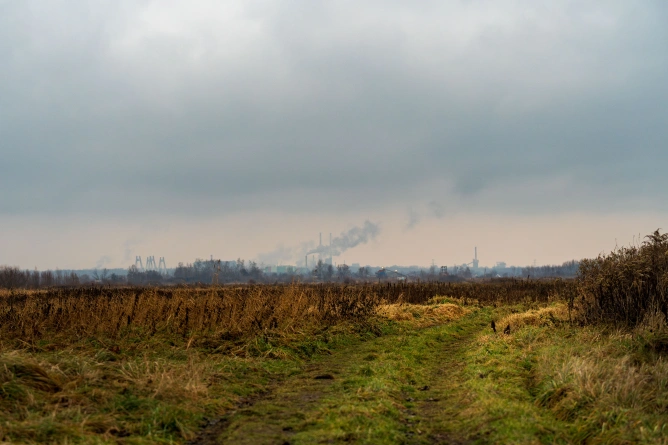
Most EU countries are on the right track to reducing air pollution, but agriculture remains the main problem.
2eu.brussels


EU
Foto: 2eu.brussels

Always see our news on Google
Most EU member states are on the right track to meet current air pollution reduction targets, but ammonia, primarily produced by agriculture, remains the weak point of clean air policies. The European Environment Agency shows that, by 2024, 21 member states have met commitments for all five main pollutants monitored in European legislation.
In short
21 EU member states met the targets for the five main air pollutants in 2024. Six states did not meet commitments for at least one pollutant. Ammonia remains the main problem, with four states needing to further reduce emissions. Sulfur dioxide has made the most progress: 25 states have already met the stricter commitments for 2030. The targets for 2030 will require additional efforts in most states, especially for ammonia, nitrogen oxides, and fine particles.
The assessment by the European Environment Agency is based on emission data for 2024, reported by member states in 2026. The pollutants analyzed are ammonia, non-methane volatile organic compounds, nitrogen oxides, fine particles PM2.5, and sulfur dioxide. These pollutants affect human health, ecosystems, and air quality in urban and rural areas.
The directive on national emission reduction commitments obliges member states to reduce emissions of these five pollutants during the period 2020-2029. From 2030, stricter commitments will come into force, meaning that current progress is not sufficient for all countries.
In 2024, 21 member states met all commitments for the period 2020-2029. Six states missed the target for at least one pollutant. Ammonia is the most common problem: Hungary, Latvia, Portugal, and Sweden need to further reduce emissions to meet current targets.
Ammonia mainly comes from agriculture. The EEA report indicates that agriculture is responsible for over 90% of ammonia emissions in the European Union, with the main sources being manure management, fertilizers, and activities related to livestock farming. Reducing these emissions depends on measures such as more efficient fertilizer application, better waste management, and changes in animal feed.
The greatest progress has been made with sulfur dioxide. 25 member states have already met the stricter commitments for 2030 regarding this pollutant. At the EU level, sulfur dioxide emissions have decreased by 86% between 2005 and 2024, mainly due to fuel switching, desulfurization facilities, stricter industrial standards, and a gradual shift to cleaner energy sources.
Nitrogen oxides have decreased by 54% since 2005, and fine particles PM2.5 by 42%. For nitrogen oxides, road transport remains an important source, although Euro standards for vehicles have significantly reduced emissions from cars, trucks, and buses. For fine particles, burning fuels in homes, institutions, and commercial buildings remains the dominant source.
Data also show the limits of progress. Although fine particle emissions have decreased, solid fuel residential heating continues to significantly contribute to PM2.5 pollution. The report mentions that burning biomass and fossil fuels in households remains a problem in some member states, and solutions include better insulation, modernized heating systems, low-emission power plants, and cleaner fuels.
For the 2030 targets, the picture becomes more difficult. Only six states—Belgium, Estonia, Finland, Greece, the Netherlands, and Slovakia—have already met all the stricter commitments for 2030. Other states need to continue reducing at least one pollutant.
Nitrogen oxides are the pollutant for which most states need additional efforts until 2030. The report shows that 17 member states need to continue reducing nitrogen oxide emissions, especially in road transport and the energy sector. For PM2.5, 13 states have already met the 2030 target, but others need to continue reductions, especially in residential heating, industry, and transport.
Ammonia remains difficult to reduce for the targets beyond 2030. 13 member states have already met the stricter commitments for this pollutant, but more than half of the states need to make further reductions. Ammonia reduction is slower than for other pollutants: between 2005 and 2024, ammonia emissions decreased by only 18%, the smallest reduction among the pollutants analyzed in the briefing.
Overall, air pollutant emissions have continued to decrease in the European Union. Between 2005 and 2024, sulfur dioxide decreased by 86%, nitrogen oxides by 54%, fine particles PM2.5 by 42%, non-methane volatile organic compounds by 37%, and ammonia by 18%. During the same period, the gross domestic product of member states has increased, showing a decoupling between economic growth and emissions of these pollutants.
The annual EU emissions inventory report for the period 1990-2024 shows that all emissions of the main pollutants were lower in 2024 than in 2005. The largest historical reductions occur in sulfur dioxide and lead, while some emissions related to tire and brake wear or certain metals remain harder to reduce.
The EEA has also updated the European air quality ranking in cities. Nordic cities are among the cleanest urban centers in Europe, and some cities in Spain, Italy, Portugal, and Croatia have recorded significant improvements. The ranking is based on the risk of mortality associated with long-term exposure to fine particles PM2.5, nitrogen dioxide, and ground-level ozone.
Air quality remains important for health as long-term exposure produces the most severe effects. The EEA's urban tool tracks trends over several years and allows comparisons between urban centers, but it does not replace daily local monitoring of pollution episodes.
The results show that the European Union has substantially reduced air pollution in the last two decades, but the next threshold is more difficult. The targets for 2030 require reductions where changes are slower: agriculture, transport, residential heating, and some industrial activities. For citizens, the difference is seen in the air they breathe daily, in health risks, and in the pressure on ecosystems affected by pollution.
In short
21 EU member states met the targets for the five main air pollutants in 2024. Six states did not meet commitments for at least one pollutant. Ammonia remains the main problem, with four states needing to further reduce emissions. Sulfur dioxide has made the most progress: 25 states have already met the stricter commitments for 2030. The targets for 2030 will require additional efforts in most states, especially for ammonia, nitrogen oxides, and fine particles.
The assessment by the European Environment Agency is based on emission data for 2024, reported by member states in 2026. The pollutants analyzed are ammonia, non-methane volatile organic compounds, nitrogen oxides, fine particles PM2.5, and sulfur dioxide. These pollutants affect human health, ecosystems, and air quality in urban and rural areas.
The directive on national emission reduction commitments obliges member states to reduce emissions of these five pollutants during the period 2020-2029. From 2030, stricter commitments will come into force, meaning that current progress is not sufficient for all countries.
In 2024, 21 member states met all commitments for the period 2020-2029. Six states missed the target for at least one pollutant. Ammonia is the most common problem: Hungary, Latvia, Portugal, and Sweden need to further reduce emissions to meet current targets.
Ammonia mainly comes from agriculture. The EEA report indicates that agriculture is responsible for over 90% of ammonia emissions in the European Union, with the main sources being manure management, fertilizers, and activities related to livestock farming. Reducing these emissions depends on measures such as more efficient fertilizer application, better waste management, and changes in animal feed.
The greatest progress has been made with sulfur dioxide. 25 member states have already met the stricter commitments for 2030 regarding this pollutant. At the EU level, sulfur dioxide emissions have decreased by 86% between 2005 and 2024, mainly due to fuel switching, desulfurization facilities, stricter industrial standards, and a gradual shift to cleaner energy sources.
Nitrogen oxides have decreased by 54% since 2005, and fine particles PM2.5 by 42%. For nitrogen oxides, road transport remains an important source, although Euro standards for vehicles have significantly reduced emissions from cars, trucks, and buses. For fine particles, burning fuels in homes, institutions, and commercial buildings remains the dominant source.
Data also show the limits of progress. Although fine particle emissions have decreased, solid fuel residential heating continues to significantly contribute to PM2.5 pollution. The report mentions that burning biomass and fossil fuels in households remains a problem in some member states, and solutions include better insulation, modernized heating systems, low-emission power plants, and cleaner fuels.
For the 2030 targets, the picture becomes more difficult. Only six states—Belgium, Estonia, Finland, Greece, the Netherlands, and Slovakia—have already met all the stricter commitments for 2030. Other states need to continue reducing at least one pollutant.
Nitrogen oxides are the pollutant for which most states need additional efforts until 2030. The report shows that 17 member states need to continue reducing nitrogen oxide emissions, especially in road transport and the energy sector. For PM2.5, 13 states have already met the 2030 target, but others need to continue reductions, especially in residential heating, industry, and transport.
Ammonia remains difficult to reduce for the targets beyond 2030. 13 member states have already met the stricter commitments for this pollutant, but more than half of the states need to make further reductions. Ammonia reduction is slower than for other pollutants: between 2005 and 2024, ammonia emissions decreased by only 18%, the smallest reduction among the pollutants analyzed in the briefing.
Overall, air pollutant emissions have continued to decrease in the European Union. Between 2005 and 2024, sulfur dioxide decreased by 86%, nitrogen oxides by 54%, fine particles PM2.5 by 42%, non-methane volatile organic compounds by 37%, and ammonia by 18%. During the same period, the gross domestic product of member states has increased, showing a decoupling between economic growth and emissions of these pollutants.
The annual EU emissions inventory report for the period 1990-2024 shows that all emissions of the main pollutants were lower in 2024 than in 2005. The largest historical reductions occur in sulfur dioxide and lead, while some emissions related to tire and brake wear or certain metals remain harder to reduce.
The EEA has also updated the European air quality ranking in cities. Nordic cities are among the cleanest urban centers in Europe, and some cities in Spain, Italy, Portugal, and Croatia have recorded significant improvements. The ranking is based on the risk of mortality associated with long-term exposure to fine particles PM2.5, nitrogen dioxide, and ground-level ozone.
Air quality remains important for health as long-term exposure produces the most severe effects. The EEA's urban tool tracks trends over several years and allows comparisons between urban centers, but it does not replace daily local monitoring of pollution episodes.
The results show that the European Union has substantially reduced air pollution in the last two decades, but the next threshold is more difficult. The targets for 2030 require reductions where changes are slower: agriculture, transport, residential heating, and some industrial activities. For citizens, the difference is seen in the air they breathe daily, in health risks, and in the pressure on ecosystems affected by pollution.

Latest News
20:14
Consiliul UE adoptă reguli care permit reduceri de până la 75% la taxele rutiere pentru camioanele și autobuzele cu emisii scăzute de CO₂
19:59
Alexander Stubb warns that Europe is going through an “era of darkness” amid wars and US-China rivalry
19:57
Clever Media takes over Doğan Media International: Kanal D and Prima TV come under the same media umbrella
19:51
The Senate extends until 2035 the ban on using antivirus software and IT equipment in public institutions
19:34
Concordia calls on the Government to eliminate IMCA in 2027 and set a firm deadline for VAT refunds
See more news
NEWS ON THE SAME TOPICS




Personalized news feed, AI-powered search, and notifications in a more interactive experience.