Net emissions fell by 1.6% in the EU in 2025, but increased in Romania



Always see our news on Google
The European Commission links Romania’s increase mainly to the land and forestry sector. At EU level, net emissions fell by 39% compared with 1990, according to estimates for 2025. Separately, the Commission announced that it will request corrective action plans from nine countries in the sectors regulated under effort sharing; Romania is not on the list.
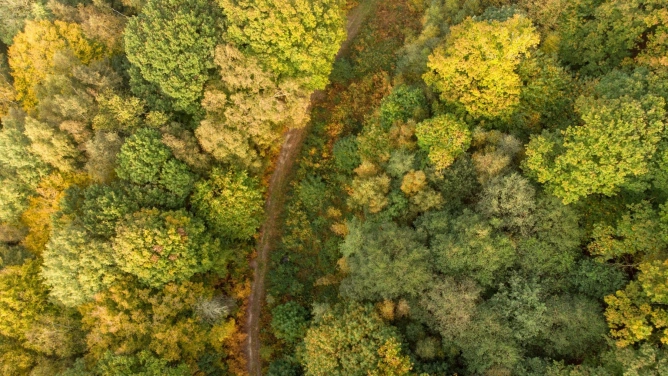
The European Union’s net greenhouse gas emissions fell by 1.6% in 2025 compared with the previous year, but Romania is among the eight countries where the balance increased, according to the climate report published by the European Commission on November 9, 2026. Romania’s development was determined mainly by the land use and forestry sector. The data are provisional and include both emissions and carbon absorbed from the atmosphere.
In brief
In 2025, net emissions fell in 19 EU countries and increased in eight, including Romania. For Romania, the report identifies the land and forestry sector as the main factor behind the increase, without attributing the development to all branches of the economy.
EU net emissions are 39% below the 1990 level, while GDP has increased by 74%. The European Environment Agency projects a 54% reduction by 2030 if the additional planned measures are also implemented, compared with the target of at least 55%.
For transport, buildings and the other sectors covered by the Effort Sharing Regulation, the projected reduction for 2030 is approximately 38.5% compared with 2005, 1.5 percentage points below the 40% target.
The Commission announced that it will request corrective action plans from Austria, Croatia, Cyprus, Germany, Italy, Ireland, Lithuania, Malta and Sweden. Romania does not appear on the list. The regulation provides for a three-month deadline when insufficient progress is identified; the communication does not provide individual deadlines.
EU ETS revenues from the auctioning of allowances reached €43.2 billion in 2025, an increase of 11%. Of the total, €23.9 billion went directly to the Member States. Receipts do not automatically represent investments that have already been carried out.
Romania recorded one of the smaller increases in net emissions, alongside Hungary, Austria, Belgium and the Netherlands. The largest increases were in Italy, at 5.8%, Portugal, at 4.2%, and Spain, at 2.2%. At the other end of the scale, Slovenia and Sweden recorded decreases of 13.7% and 11.3%, respectively. The comparisons are based on the 2024 emissions inventory and preliminary estimates for 2025.
The net balance results from subtracting carbon removals from released emissions. The LULUCF sector brings together land use, land-use change and forestry: forests and other land can absorb carbon, but they can also release it. A deterioration in this balance can increase net emissions even if emissions from other sectors decline. The report identifies LULUCF as the main factor in Romania’s case, without separately establishing the contribution of logging, drought, fires or other causes.
The European indicator of a 39% reduction compared with 1990 uses the scope of the EU’s climate target. It also includes emissions from international aviation and maritime transport regulated by European legislation. Therefore, the percentage should not be compared directly with figures from inventories covering only domestic emissions or using other versions of the data. The 74% increase in GDP over the same period shows that the European economy expanded while emissions declined.
The 2025 data indicate different developments between sectors. Emissions covered by the European Emissions Trading System, EU ETS, fell by approximately 2%, while those from sectors regulated under effort sharing remained broadly stable. Net carbon absorption by land at EU level increased by approximately 11%, equivalent to 25 million tonnes of CO₂ equivalent. This European improvement coexists with a deterioration in the land balance in some countries.
Achieving the 2030 objective depends on implementing the announced policies. The European Environment Agency’s assessment indicates a 54% reduction in net emissions compared with 1990 when the additional planned measures are also included. The binding target is at least 55%. The projection describes a possible outcome through implementation of the measures, not a reduction already achieved.
The Effort Sharing Regulation, known as ESR, covers domestic transport excluding aviation, buildings, agriculture, small industry and waste. It uses 2005 as the reference year and aims for a 40% European reduction by 2030. The report’s projection of approximately 38.5% leaves a gap of 1.5 percentage points; this is a different indicator from the distance to the overall target calculated for net emissions compared with 1990.
The Commission states that nine countries are not making sufficient progress in fulfilling their ESR obligations and announces that it will request corrective action plans from Austria, Croatia, Cyprus, Germany, Italy, Ireland, Lithuania, Malta and Sweden. The wording in the report describes an action that is yet to be taken. Romania is not on the list, but this does not certify compliance with all of its climate obligations: the ESR analysis is distinct from the annual development of net emissions.
The assessment compares emissions and annual allocations for the 2021–2030 period, assuming implementation of the additional measures and use of certain flexibilities permitted by the regulation. These include retaining unused allocations for subsequent years and borrowing from future allocations. The report identifies exceedances in at least one year for all nine countries even after taking these mechanisms into account.
When insufficient progress is identified, the regulation requires a corrective action plan to be submitted within three months. The plan must explain the situation, provide for additional measures and establish a strict implementation timetable. The communication does not specify individual deadlines for the nine countries. Requesting a plan does not in itself constitute a fine and is separate from the formal compliance review.
The report on the carbon market, published on the same day, indicates EU ETS auction revenues of €43.2 billion in 2025, 11% above the 2024 level. Of this amount, €23.9 billion went directly to the Member States to finance the decarbonization of households and industry. Actual receipts and expenditure are different indicators. The Commissioner for Climate, Net Zero and Clean Growth, Wopke Hoekstra, called for accelerated implementation and investment in clean technologies, linking climate action to competitiveness and reduced dependence on imported fossil fuels.
https://2eu.brussels/ro/news/emisiile-nete-au-scazut-cu-1-6-in-ue-in-2025-dar-au-crescut-in-romania
Latest News
13:25
13:17
13:08
13:00
12:59
See more news
NEWS ON THE SAME TOPICS












 (1).webp)