Kallas: International Criminal Court preparing alternative solutions for case files and salary payments amid US sanctions




Always see our news on Google
The EU’s foreign policy chief confirms ICC preparations without announcing the replacement of existing systems. U.S. licenses allow certain payments and digital services, while the EU is examining ways to protect providers. The €13 million presented by Kallas represents support provided over the past two years, not new funding.
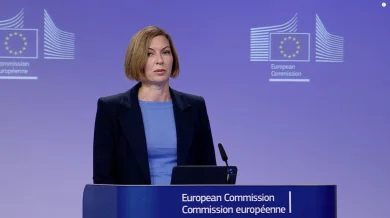
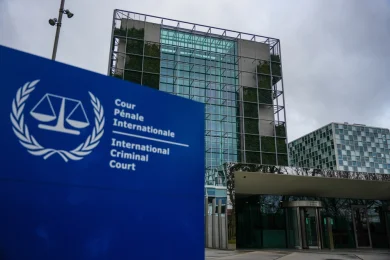
The International Criminal Court is preparing IT alternatives for managing case files and solutions for paying salaries amid U.S. sanctions, Kaja Kallas told the European Parliament on October 20. The EU’s foreign policy chief urged providers not to interrupt services that remain authorized and said that the Union is examining measures to protect the Court and European companies working with it. The reported preparations do not mean that the systems have already been replaced or that the institution’s payments and communications have been halted.
In brief
1. On October 20, Kallas confirmed the ICC’s preparations for IT alternatives for managing case files and paying salaries. She did not announce a completed migration, replacement providers, or a general blocking of services.
2. According to Kallas, the EU provided the Court with €13 million over the past two years for victims, investigations, and communication. The amount is not a new allocation approved on the day of the debate.
3. The U.S. sanctioned the ICC as an institution on October 9, but OFAC License No. 13 permits certain operations, including salaries and contributions from states parties, until April 7, 2027, at 00:01 EDT. The authorization has conditions and exceptions.
4. OFAC License No. 14 permits certain communications, software, storage, and cybersecurity services. Its text does not contain the same general deadline and does not replace other U.S. legal requirements.
5. EU leaders and the AFET committee are calling for the protection of the Court and providers. The Commission is examining measures, including the use of the Blocking Statute, but no adopted extension covering ICC sanctions automatically has been announced.
6. Kallas called on companies not to restrict services beyond the requirements of the sanctions and on states parties to support the continuity of the Court’s work, including investigations in Ukraine.
Kallas did not identify the providers that might be replaced, the systems selected, the costs, or a timetable for the changes. The information adds a practical dimension to European discussions about protecting the ICC: ensuring the continuity of a court that depends on digital services for evidence and case files and on financial services for employees and contracts.
In the same intervention, Kallas stated that the EU had provided the ICC with €13 million over the past two years. According to her, the support financed physical, psychological, and material reparations for victims, strengthened investigative capacity, and informed the public about the Court’s role. This is an accounting of contributions already provided, not a new allocation of €13 million approved on October 20.
The United States included the Court as an institution on the list of sanctioned entities on October 9, following measures against certain judges and prosecutors. The ICC rejected the sanctions and stated that they seek to disrupt its work and intimidate those who work with or cooperate with the court. Also on October 9, the U.S. Department of the Treasury’s Office of Foreign Assets Control, OFAC, issued general licenses permitting certain operations with the institution, under the conditions set out in the documents.
License No. 13 authorizes transactions ordinarily necessary to maintain or orderly wind down the operations, contracts, or other agreements of the ICC. It mentions contributions from states parties to the Rome Statute, salaries, health insurance, medical services, rent, utilities, and routine commercial services. The authorization expires on April 7, 2027, at 00:01 EDT, Eastern Daylight Time in the United States, not at the end of that day.
The license permits the use of the Court’s blocked accounts for authorized transactions. However, it does not automatically extend permission to transactions with other sanctioned persons in the absence of separate authorization. The April date is the limit of this authorization; it does not establish the automatic shutdown of the entire institution upon expiration.
License No. 14 concerns telecommunications, internet-based communications, and software for administering the organization. It includes software for financial and payroll management, cybersecurity, storage, backup, and data recovery, as well as associated cloud services. The text does not provide the same general deadline as License No. 13 and maintains its own exceptions, alongside other U.S. legal requirements, including controls applicable to the export of certain technologies.
The existence of these authorizations shows that the designation of the institution and the continuation of certain services can coexist. The licenses do not guarantee that every provider will continue its contracts, but neither do they support the idea of an immediate general ban on all payments and digital systems. In her concluding remarks in the debate, Kallas called on companies to avoid restricting services beyond what the U.S. measures require.
On October 16, the European Council had already asked the Commission to prepare initiatives to protect the ICC and mitigate the effects of sanctions on EU operators, so that they could continue providing financial and other services necessary for the Court. The request from European leaders is a political mandate, not a new legal protection mechanism that has already entered into force.
Among the options being developed is the European Blocking Statute, known as the Blocking Statute. It protects European operators against the extraterritorial effects of certain foreign laws listed in its annex, which currently includes U.S. measures concerning Cuba and Iran. Sanctions against the ICC are not automatically covered. Kallas confirmed that the use of the instrument is being examined and must be prepared legally and practically, without announcing the adoption of an extension.
The European Parliament had likewise called for a firmer response: on October 19, the Committee on Foreign Affairs, AFET, approved, with 50 votes in favor, 18 against, and four abstentions, the report prepared by Mounir Satouri on protecting international justice. The parliamentary requests and the conclusions of EU leaders form the political context of Kallas’s statement; neither replaces the legal acts required for new protection.
For the ICC, administrative continuity also matters in field investigations. Kallas referred to the collection of evidence concerning war crimes in Ukraine and called on states parties to help the Court continue its work. Preparing alternatives for case files and salaries is intended to reduce operational risk, while European diplomacy seeks to secure the lifting of the sanctions and the continued provision of services necessary for the court.
Latest News
22:52
22:29
22:14
22:02
21:54
See more news
NEWS ON THE SAME TOPICS