Irish Presidency to present new negotiating framework for the 2028–2034 EU budget on October 10



Always see our news on Google
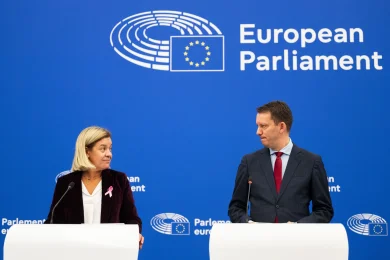
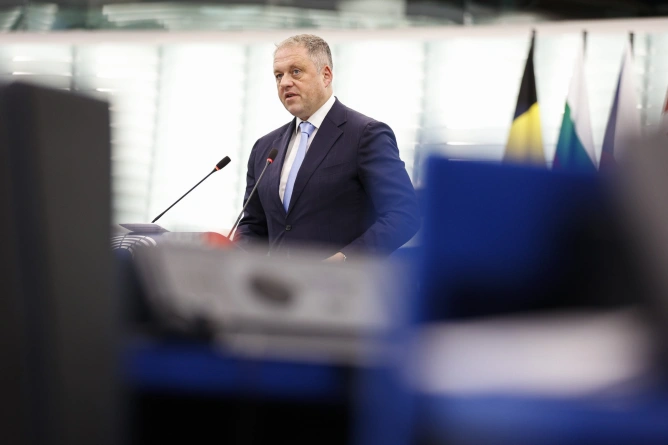
The Irish Presidency of the Council of the EU will present a new negotiating framework for the Union’s 2028–2034 budget on Saturday, October 10, in an effort to bring the positions of the 27 member states closer together ahead of the decisive political stage of the negotiations. Thomas Byrne, Ireland’s Minister of State for European Affairs and Defence, told the European Parliament on Wednesday that the Presidency’s objective remains to secure a political agreement by the end of the year.
In brief: The Irish Presidency will present a new negotiating framework for the 2028–2034 EU budget on October 10. The document does not represent an agreement among the 27 states, but organizes the options on which governments must negotiate. Ireland is seeking a political agreement among the states by the end of 2026 so that the necessary legislation can be adopted in 2027. European Commissioner for the Budget Piotr Serafin indicated that the Commission is open to adjusting its proposals on the EU’s new own resources. The regulation on the multiannual financial framework requires unanimity among the member states and the approval of the European Parliament before the new budget can enter into force in 2028.
The negotiating framework, known in European discussions as the “negotiating box,” does not by itself determine the budget’s final size or allocation. It is the document through which the Council Presidency groups the outstanding political issues and sets out compromise options for the leaders and governments of the member states. As negotiations progress, the alternatives are narrowed until an agreement can be built on overall spending levels, priorities, the structure of programmes and the revenues that will finance the budget.
The negotiations concern the multiannual financial framework for the seven years beginning in 2028. The Commission’s proposal reorganizes a significant share of European funding, introduces greater flexibility between priorities and proposes new sources of revenue for the EU budget. The issues under dispute include overall spending levels, the financing of agricultural and cohesion policy, competitiveness, defence, repayment of the debt incurred for NextGenerationEU and how pressure on national contributions should be limited.
In the debate in Parliament, Byrne presented the timetable as part of the Irish Presidency’s effort to secure a compromise among governments by the end of the year. Such a political agreement would allow negotiations to continue and the necessary legislative acts to be adopted in 2027, before the new budgetary period begins on January 1, 2028.
One of the sensitive issues is how the budget will be financed. The Commission has proposed new own resources, meaning revenues that would feed directly into the European budget and reduce the need to cover all new spending through higher contributions from the states. In plenary, European Commissioner for the Budget Piotr Serafin said that the European executive is open to discussions on these proposals and to adjusting them as part of the negotiations.
The Commission’s willingness to negotiate does not mean that the new sources of revenue have been accepted. The own-resources system has a procedure distinct from that of the multiannual financial framework and requires the unanimous agreement of the member states, followed by approval at national level in accordance with each country’s constitutional requirements.
Parliament exercises different influence over the two components. For the multiannual financial framework regulation, the states must reach unanimity in the Council, after which Parliament must give its consent. Parliament cannot directly amend the Council’s final agreement under this procedure, but it can refuse to approve it, giving it an important political lever in the negotiations.
MEPs reiterated on Wednesday that they do not want pressure on national budgets and the cost of repaying the NextGenerationEU debt to reduce the resources available for European policies. The discussion continues an already open political confrontation between Parliament, the Commission and governments over the size and structure of the future budget, with the October 7 debate producing no agreement on the final figures.
A compromise among the states is only one of the necessary stages. Once the multiannual financial framework has been established, the legislation for the programmes that will actually distribute European funds must be finalized so that they can operate from the beginning of 2028. This is why the Irish Presidency is seeking to conclude the main political negotiations before the end of 2026.

Latest News
22:58
22:44
22:41
22:21
22:08
See more news
NEWS ON THE SAME TOPICS