The European Union activates Copernicus after the devastating earthquakes in Venezuela



Always see our news on Google
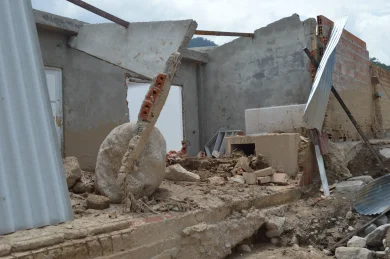
The European Union has expressed condolences to the families of the victims of the earthquakes that struck Venezuela and announces that it is ready to support the emergency response if it receives an official request. The Copernicus satellite system has been activated in emergency mapping mode to help assess the impact, while the EU works with humanitarian partners to identify urgent needs in a country where millions of people were already facing significant humanitarian difficulties.
The European Union has announced that it is ready to support the emergency response following the devastating earthquakes that struck Venezuela, at a time when millions of Venezuelans were already facing significant humanitarian needs. The EU has expressed condolences to the families of the victims and solidarity with the people of Venezuela, as well as with the teams involved in rescue and aid operations.
In short
1. The European Union has expressed condolences following the devastating earthquakes in Venezuela.
2. The EU states that it is in contact with the authorities and is assessing urgent humanitarian needs together with its partners.
3. The Copernicus satellite system has been activated in emergency mapping mode.
4. The European Union is ready to mobilize assistance through the Civil Protection Mechanism if it receives a request.
5. The earthquakes come in an already difficult context, where millions of Venezuelans needed humanitarian support.
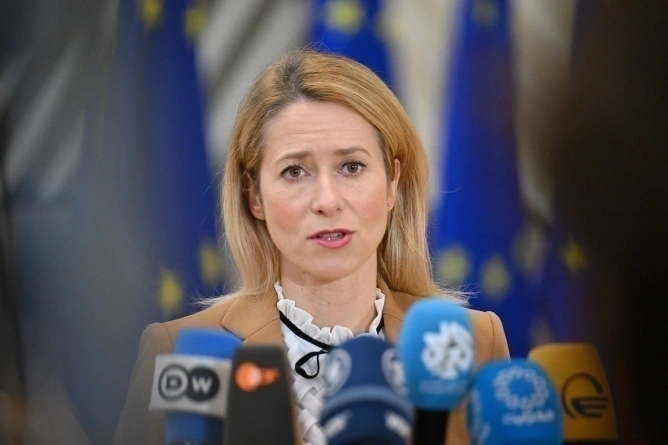
The joint statement was signed by Kaja Kallas, the High Representative of the Union for Foreign Affairs and Security Policy, Jozef Síkela, the Commissioner for International Partnerships, and Hadja Lahbib, the Commissioner for Equality, Preparedness, and Crisis Management.
For Venezuela, the impact of the earthquakes cannot be separated from the existing humanitarian situation. The EU emphasizes that the natural disaster occurs at a time when millions of people continue to need help, which can complicate rescue operations, access to basic services, and the ability of authorities and organizations to respond quickly.
In the first hours and days after an earthquake, accurate information about the affected areas, damaged infrastructure, blocked roads, or isolated communities is essential. That is why the activation of Copernicus in emergency mapping mode is one of the first concrete measures announced by the EU.
Copernicus is the European Earth observation program. In disaster situations, satellite images can help authorities and humanitarian organizations see more clearly the extent of the damage, identify areas where intervention is urgent, and plan the distribution of aid.
The EU states that it is already in contact with the authorities and is working with its partners to assess urgent humanitarian needs as new information emerges. This stage is important because the type of support depends on what is most lacking on the ground: search and rescue equipment, temporary shelters, water, food, medical assistance, logistics, or support for critical infrastructure.
The European Union states that it can mobilize aid through the Civil Protection Mechanism if it receives a request. This mechanism allows for the coordination of assistance provided by participating states when a country affected by a disaster requests international support.
In practice, the Civil Protection Mechanism can facilitate the sending of specialized teams, emergency materials, or logistical support, depending on the needs communicated by the affected country and the availability of participating states.
The statement does not announce a financial package or the immediate sending of European teams, but shows that the EU is preparing response tools. The difference is important: the activation of Copernicus can be done for rapid operational support, while full mobilization through the Civil Protection Mechanism depends on an official request.
The EU also states that it remains in close communication with humanitarian partners and is ready to provide the necessary operational support. In a crisis of this type, coordination with local actors and humanitarian organizations is essential for aid to reach where it is needed and to avoid duplicating interventions already underway.
The political message of the European Union combines solidarity with operational preparedness. Brussels conveys that it is monitoring the situation, using European satellite capabilities to assess the disaster, and can activate support mechanisms if the Venezuelan authorities request assistance.
Latest News
22:52
22:48
22:43
22:38
22:20
See more news
NEWS ON THE SAME TOPICS