EPC experts call on von der Leyen to explain how the EU will finance its ambition for a more independent Europe



Always see our news on Google
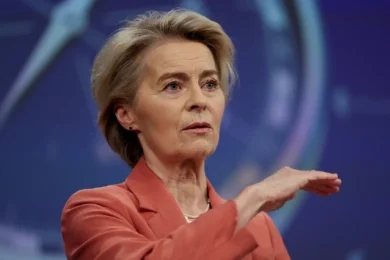
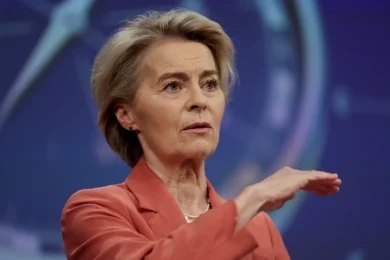
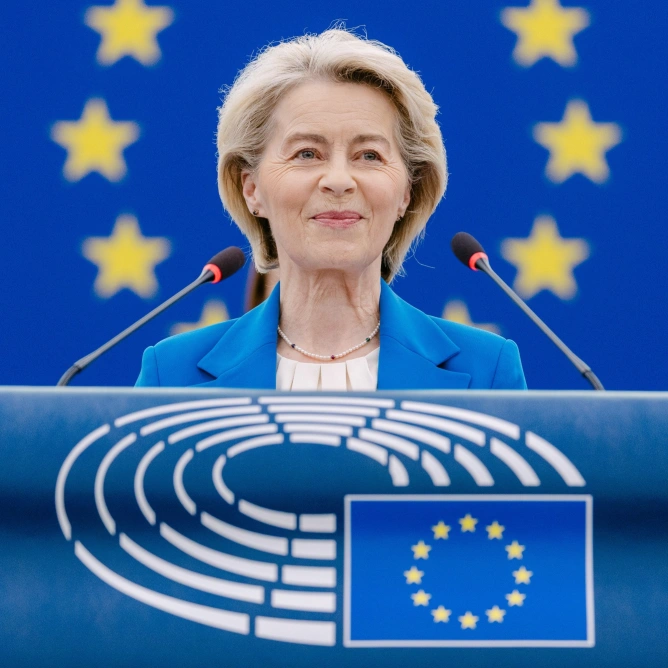
Ursula von der Leyen should explain, in her State of the Union address on 16 September, how she will turn the ambition of a more independent Europe into financial capacity and lasting support for society, experts from the European Policy Centre (EPC) say. In their assessment, European security also depends on the ability to finance joint investments, protect democracy, and manage the effects of artificial intelligence on work and incomes.
In brief
Ursula von der Leyen will present the priorities for the coming year to the European Parliament on 16 September.
The EPC recommendations precede the speech and do not represent measures announced by the Commission.
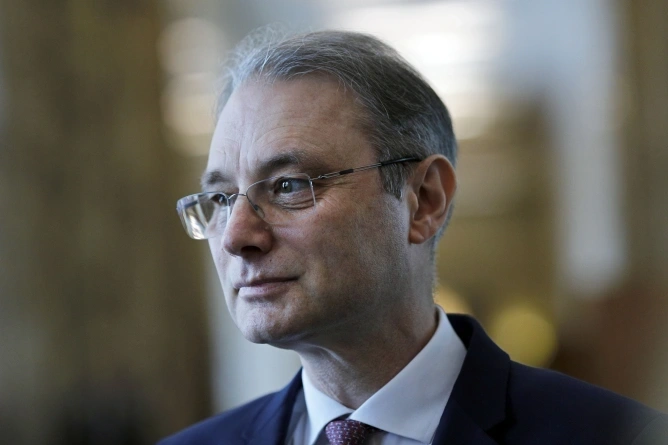
Georg Riekeles calls for common European financial capacity, including a treasury and a European monetary fund, because investment needs are becoming increasingly European, while fiscal resources remain mainly national.
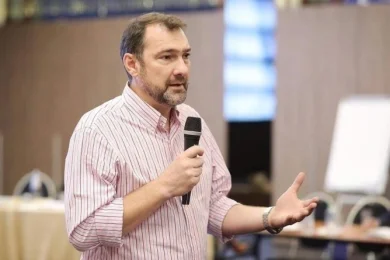
For democracy, Johannes Greubel calls for long-term core funding and access to funds for small organisations.
He also calls for the AgoraEU programme to be protected in the next multiannual budget. Elizabeth Kuiper calls for policy on artificial intelligence to include its effects on work and incomes.
She anticipates an initiative on children and social media, but considers that age limits are not enough without changes to the way platforms are designed.
The President of the European Commission will speak at the European Parliament in Strasbourg at 9.00 local time. The Commission announces the presentation of priorities and initiatives for the coming year, while the stocktake prepared for the speech focuses on competitiveness, reducing strategic dependencies, and defence. The EPC analysis sets out recommendations ahead of the intervention; these do not represent confirmed announcements by the President.
Georg Riekeles, EPC associate director and head of its European political economy programme, identifies a vulnerability that is less discussed than energy or technological dependencies. Investment needs and strategic challenges are becoming increasingly European, while the capacity to finance them remains mainly national and is becoming increasingly constrained. He warns that Europe cannot assume that Washington and the Federal Reserve will stabilise the next financial crisis as they did in 2008.
“Europe’s security will be built on its financial strength,” Riekeles writes. He proposes transforming the EU’s borrowing capacity into a genuine European treasury and developing the European Stability Mechanism into a European monetary fund. This would be able to support sovereign debt markets and, over time, contribute to the creation of a large volume of euro-denominated safe assets.
The Commission is already presenting its own measures to finance the economy. Its stocktake refers to proposals for a savings and investment union, which aim to integrate financial markets, simplify supervision, and broaden access to savings and investment accounts. The executive argues that reducing fragmentation would facilitate companies’ access to capital. Riekeles additionally calls for common instruments to support public debt markets during periods of stress.
The expert also considers the digital euro project urgent. According to the European Central Bank, it would complement cash as a means of payment, and the institution aims to be ready for a possible first issuance in 2029, assuming the necessary legislation is adopted during 2026.
The discussion about resources continues in the proposals on democracy. Johannes Greubel, who heads the EPC programme on transnationalisation, calls for civic organisations and independent media to be treated as part of the infrastructure that helps Europe withstand crises and interference. He calls for the AgoraEU programme in the proposal for the next multiannual budget to be protected, for long-term core funding, and for mechanisms through which funds also reach small organisations. In his argument, support should not be limited to a single programme, and Horizon and Erasmus should contribute to this effort.
In its own stocktake, the Commission includes the European Democracy Shield among the actions launched to protect elections, combat disinformation, and support independent journalism. Greubel’s recommendation concerns long-term funding for civic actors, at a time when he considers that pressures on them are increasing. Greubel argues that illiberal actors are operating increasingly across borders, while challenges to the legitimacy of civil society funding are gaining ground.
Elizabeth Kuiper, associate director and head of the EPC programme for health and societal resilience, calls for policy on artificial intelligence to also address its effects on jobs, income security, and territorial cohesion. She considers the focus on balancing the regulation of risks with accelerating the use of technology insufficient. Kuiper anticipates an initiative on children and social media, but argues that age limits alone do not resolve the problem of how platforms are designed. This is the expert’s expectation, not confirmation of the speech’s content.
The same concern about policy implementation appears in the contribution by Stefan Šipka, head of the EPC programme for sustainable prosperity. He calls for the funding earmarked for industrial decarbonisation to support the best-performing projects and reduce the risks of private investment, at a time when defence could take priority. Analyst Eric Maurice likewise warns that changing priorities and focusing on the short term risk widening the gap between promises and results. The 16 September speech will show which priorities and initiatives von der Leyen will place on the agenda for the coming year.

Latest News
22:57
22:53
22:42
22:30
22:28
See more news
NEWS ON THE SAME TOPICS