Daniel Buda calls for hot meals through the European school scheme in negotiations on agricultural market reform
2eu.brussels


EU
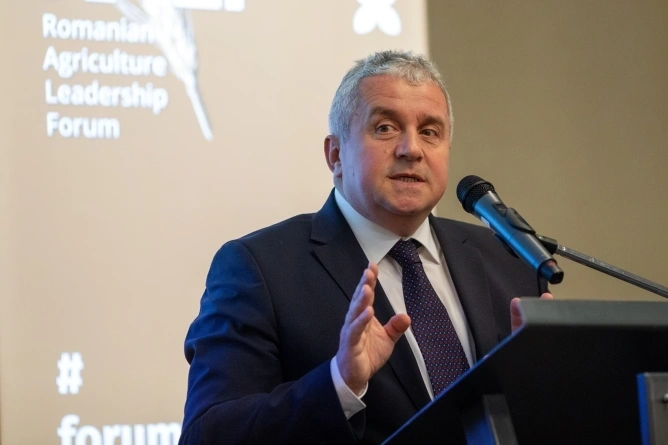
Foto: Inquam Photos /Ilona Andrei

Always see our news on Google
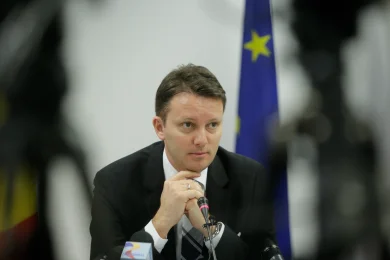
MEP Daniel Buda is calling for flexibility for member states and the preservation of EU funding for the school scheme, linking meals provided to children with farmers’ access to the market. The AGRI debate also covered strategic reserves, early warning systems and limits on public intervention during agricultural crises.
MEP Daniel Buda called for member states to be able to provide hot meals through the European school scheme, while preserving EU funding and allowing greater flexibility in implementation. The proposal was presented during the AGRI debate on reforming the common organisation of agricultural markets, in which rapporteur Eric Sargiacomo identified expanding the range of products distributed in schools as one of the subjects for a future compromise.
In brief
Buda proposes using the school scheme for hot meals. He linked flexibility for member states to children’s access to food and to the marketing of farmers’ products.
The rapporteur included the idea among the negotiation topics. Sargiacomo explicitly mentioned Buda’s proposal and discussions on expanding the products distributed through the scheme.
The reform is broader than the school scheme. Nearly 1,600 amendments concern, among other issues, sectoral interventions, crisis preparedness and reserves of agricultural products.
The Commission supports coordinating national preparedness. Member states would prepare food security plans and could establish reserves, while the EU would coordinate the measures.
Hot meals are not a newly approved scheme. The debate did not establish additional funding, a definitive list of beneficiaries or an implementation timetable for Buda’s proposal.
Buda, a shadow rapporteur on this file, presented the school scheme as a way to support both children’s nutrition and the sale of agricultural products. He called for continued EU funding and for member states to be free to provide hot meals in schools. In his intervention, he linked this option to strengthening farmers’ position in the food chain and to the need for markets that enable production to be marketed.
The discussion concerns the reform of the European scheme for fruit, vegetables and milk in schools, included in a broader review of the common organisation of agricultural markets. Sargiacomo noted that numerous amendments call for dedicated funding for the scheme to be maintained and for European products to be distributed. He identified expanding the range of products and Buda’s proposal on meals as issues on which MEPs must reach agreement.
The European Commission supported the objective of a simpler and more effective scheme. The DG AGRI representative explained that the Commission proposal gives priority to EU products, supports local and seasonal supply, reduces administrative burdens and promotes healthier food choices for children. She expressed openness to improvements, provided that the scheme’s efficiency and main objectives are maintained.
The Commission’s intervention did not establish how hot meals could be included or how such an expansion would be funded. Buda’s proposal remains part of the parliamentary negotiations. The meeting did not set definitive eligibility criteria for schools or children, nor did it announce a date from which member states could implement a new hot-meal scheme funded in this way.
The school scheme is one chapter of a reform for which 1,411 amendments were tabled, in addition to the rapporteur’s 187 amendments, bringing the total presented to the committee to 1,598. The file covers interventions for agricultural sectors, the creation of a protein sector, rules on hemp, the possibility of marketing standards, and the availability of supplies in emergencies and serious crises. Sargiacomo began the discussion by stressing the need for more stable incomes for farmers and faster response tools.
Buda also called for early warning mechanisms using the collection and analysis of food-chain data to anticipate problems. He argued that farmers must receive information about emerging risks and that preventive measures can support production resilience. In the same intervention, he backed strategic reserves and a role for public intervention in the context of difficulties caused by climate change.
Sargiacomo emphasised tools that could limit both excessive price declines and excessive price increases, as well as triggering a faster response to crises. He noted differences between amendments concerning the number of member states that could request a discussion with the Commission and called for mechanisms clear enough to be used in time. The rapporteur also supported European coordination of reserves, while respecting national competences.
The Commission explained that its proposal provides for national food security plans and allows member states to establish reserves of agricultural products. It stressed that decisions on these reserves should remain at national level, with the European contribution consisting of coordinating preparedness. This approach was presented as a response to the need for greater capacity to manage major supply disruptions.
The limits of public intervention produced another difference in approach. The Commission supported retaining market instruments as safeguards for exceptional circumstances and criticised the idea of automatic triggers or permanent public intervention. The DG AGRI representative called for caution regarding linking reference thresholds to production costs, automatically updating them and making intervention mandatory when prices fall below those thresholds.
In the Commission’s view, market management must allow an individual assessment of the situation and the selection of the appropriate instrument. In his response, Sargiacomo stressed the frequency of climate, health and geopolitical crises and the need for mechanisms capable of responding before losses accumulate. The debate thus highlighted differences over the timing and form of intervention, alongside support expressed for preparedness and coordination.
For sectoral interventions, several MEPs called for retaining instruments that support producer organisations and adapting them to the specific characteristics of the sectors. The Commission supported simplifying these interventions and strengthening their link to the market, warning against reopening recently negotiated legislative agreements. The next parliamentary step is to formulate compromises on the amendments, including those concerning the school scheme; the meeting did not approve a new hot-meal scheme or the reform of agricultural markets.
https://2eu.brussels/ro/news/daniel-buda-cere-mese-calde-prin-programul-scolar-european-in-negocierile-pentru-reforma-pietelor-agricole
Source slug: daniel-buda-cere-mese-calde-program-scolar-reforma-pietelor-agricole
MEP Daniel Buda called for member states to be able to provide hot meals through the European school scheme, while preserving EU funding and allowing greater flexibility in implementation. The proposal was presented during the AGRI debate on reforming the common organisation of agricultural markets, in which rapporteur Eric Sargiacomo identified expanding the range of products distributed in schools as one of the subjects for a future compromise.
In brief
Buda proposes using the school scheme for hot meals. He linked flexibility for member states to children’s access to food and to the marketing of farmers’ products.
The rapporteur included the idea among the negotiation topics. Sargiacomo explicitly mentioned Buda’s proposal and discussions on expanding the products distributed through the scheme.
The reform is broader than the school scheme. Nearly 1,600 amendments concern, among other issues, sectoral interventions, crisis preparedness and reserves of agricultural products.
The Commission supports coordinating national preparedness. Member states would prepare food security plans and could establish reserves, while the EU would coordinate the measures.
Hot meals are not a newly approved scheme. The debate did not establish additional funding, a definitive list of beneficiaries or an implementation timetable for Buda’s proposal.
Buda, a shadow rapporteur on this file, presented the school scheme as a way to support both children’s nutrition and the sale of agricultural products. He called for continued EU funding and for member states to be free to provide hot meals in schools. In his intervention, he linked this option to strengthening farmers’ position in the food chain and to the need for markets that enable production to be marketed.
The discussion concerns the reform of the European scheme for fruit, vegetables and milk in schools, included in a broader review of the common organisation of agricultural markets. Sargiacomo noted that numerous amendments call for dedicated funding for the scheme to be maintained and for European products to be distributed. He identified expanding the range of products and Buda’s proposal on meals as issues on which MEPs must reach agreement.
The European Commission supported the objective of a simpler and more effective scheme. The DG AGRI representative explained that the Commission proposal gives priority to EU products, supports local and seasonal supply, reduces administrative burdens and promotes healthier food choices for children. She expressed openness to improvements, provided that the scheme’s efficiency and main objectives are maintained.
The Commission’s intervention did not establish how hot meals could be included or how such an expansion would be funded. Buda’s proposal remains part of the parliamentary negotiations. The meeting did not set definitive eligibility criteria for schools or children, nor did it announce a date from which member states could implement a new hot-meal scheme funded in this way.
The school scheme is one chapter of a reform for which 1,411 amendments were tabled, in addition to the rapporteur’s 187 amendments, bringing the total presented to the committee to 1,598. The file covers interventions for agricultural sectors, the creation of a protein sector, rules on hemp, the possibility of marketing standards, and the availability of supplies in emergencies and serious crises. Sargiacomo began the discussion by stressing the need for more stable incomes for farmers and faster response tools.
Buda also called for early warning mechanisms using the collection and analysis of food-chain data to anticipate problems. He argued that farmers must receive information about emerging risks and that preventive measures can support production resilience. In the same intervention, he backed strategic reserves and a role for public intervention in the context of difficulties caused by climate change.
Sargiacomo emphasised tools that could limit both excessive price declines and excessive price increases, as well as triggering a faster response to crises. He noted differences between amendments concerning the number of member states that could request a discussion with the Commission and called for mechanisms clear enough to be used in time. The rapporteur also supported European coordination of reserves, while respecting national competences.
The Commission explained that its proposal provides for national food security plans and allows member states to establish reserves of agricultural products. It stressed that decisions on these reserves should remain at national level, with the European contribution consisting of coordinating preparedness. This approach was presented as a response to the need for greater capacity to manage major supply disruptions.
The limits of public intervention produced another difference in approach. The Commission supported retaining market instruments as safeguards for exceptional circumstances and criticised the idea of automatic triggers or permanent public intervention. The DG AGRI representative called for caution regarding linking reference thresholds to production costs, automatically updating them and making intervention mandatory when prices fall below those thresholds.
In the Commission’s view, market management must allow an individual assessment of the situation and the selection of the appropriate instrument. In his response, Sargiacomo stressed the frequency of climate, health and geopolitical crises and the need for mechanisms capable of responding before losses accumulate. The debate thus highlighted differences over the timing and form of intervention, alongside support expressed for preparedness and coordination.
For sectoral interventions, several MEPs called for retaining instruments that support producer organisations and adapting them to the specific characteristics of the sectors. The Commission supported simplifying these interventions and strengthening their link to the market, warning against reopening recently negotiated legislative agreements. The next parliamentary step is to formulate compromises on the amendments, including those concerning the school scheme; the meeting did not approve a new hot-meal scheme or the reform of agricultural markets.
https://2eu.brussels/ro/news/daniel-buda-cere-mese-calde-prin-programul-scolar-european-in-negocierile-pentru-reforma-pietelor-agricole
Source slug: daniel-buda-cere-mese-calde-program-scolar-reforma-pietelor-agricole
Latest News
19:01
Donald Trump declares his “full support” for Benjamin Netanyahu ahead of Israel’s parliamentary elections
18:44
MAE warns Romanians who are in or traveling to Spain: Red alert for heavy rainfall in Valencia and Alicante, on October 18 and 19
18:31
Luca Niculescu, after discussions with the ministers proposed for the new Government: “We are not facing an easy period”
18:22
Albania’s Prime Minister, Edi Rama, rejects calls for his resignation as anti-government protests spread across the country
18:09
Zelensky announces that the United States has resumed the exchange of military and security intelligence with Ukraine
See more news
NEWS ON THE SAME TOPICS


Personalized news feed, AI-powered search, and notifications in a more interactive experience.