


Commissioner Kubilius calls for an assessment of extending NATO pipelines toward the eastern flank to support military supplies



Always see our news on Google
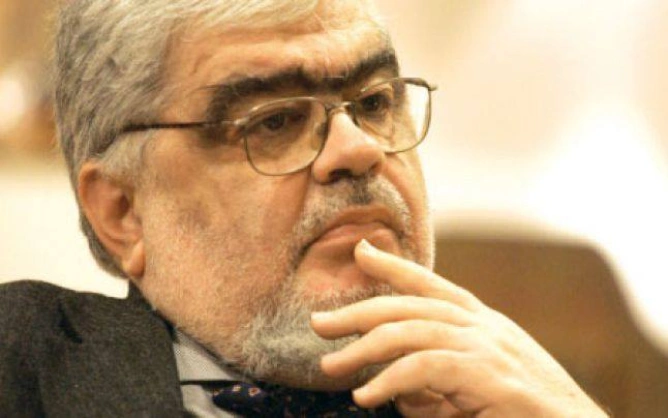
Andrius Kubilius links the security of military supply to refinery capacity and fuel transport during a crisis. He calls for examining the eastward extension of the CEPS pipeline system, a NATO network operating in five Western European countries. The statement does not announce an approved construction project.
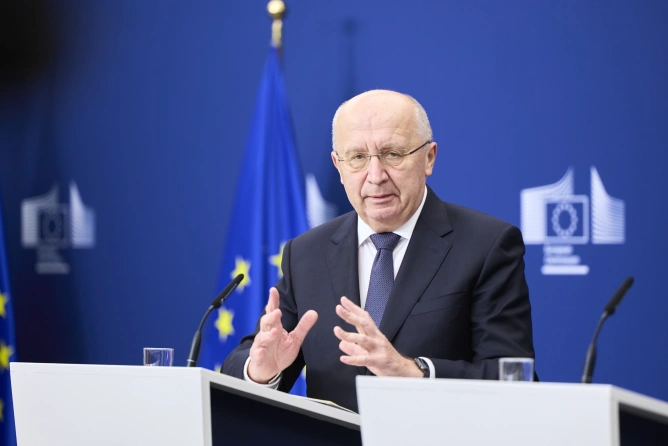
The European Commissioner for Defence and Space, Andrius Kubilius, called on Wednesday, 28 October, for an examination of extending the Central European fuel pipeline system toward the eastern flank to improve military supply. He spoke after the European Commission’s first high-level dialogue with the refining industry. The network referred to belongs to NATO’s logistics systems, and the statement included no budget, route, or approved construction timetable.
In brief
Andrius Kubilius is calling for an analysis of extending the Central European pipeline network toward the eastern flank to improve military supply. He did not present a route, budget, or approved construction timetable.
CEPS is a NATO network, with infrastructure in Belgium, France, Germany, Luxembourg, and the Netherlands. It also serves civilian customers, but military supply has priority.
The Commissioner identified four priorities: sufficient production, competitive refineries, fuel transport in a crisis, and the protection of critical infrastructure.
Kubilius cited the need to deploy and support 100,000 troops in the first ten days of a crisis, according to NATO’s force model, to explain the pressure on logistics.
The intervention followed the Commission’s dialogue with refineries on 28 October. Asked how long military stocks would last, Kubilius did not provide an estimate and stated that reserve levels are not public.
Kubilius presented four priorities: sufficient fuel-production capacity, maintaining a competitive refining sector, transporting fuels in crisis situations, and protecting critical infrastructure. His message is that the availability of products leaving refineries is not enough if they cannot be delivered to the armed forces when demand increases or disruptions occur.
The Central Europe Pipeline System (CEPS), developed during the Cold War, is a NATO network linking refineries, storage facilities, airports, and other logistics points. According to NATO’s official presentation, the infrastructure is located in Belgium, France, Germany, Luxembourg, and the Netherlands. Its management involves the participating states and the NATO Support and Procurement Agency (NSPA). The Commissioner’s request to examine an eastward extension does not amount to a decision by these institutions to build new pipelines.
CEPS also serves civilian airports and other commercial customers. NATO nevertheless specifies that military supply has priority, including in contracts for civilian use of the system. The pipelines are complemented by storage facilities and rail and road transport, which is also necessary for installations not directly connected to the network.
To illustrate the scale of demand in a crisis, Kubilius cited NATO’s force model and the need to deploy and support 100,000 troops in the first ten days. The figure was used as an argument for planning fuel production and transport, not as an announcement of an ongoing mobilization or of a specific quantity of fuel ordered.
The Commissioner argued that the armed forces will continue to need traditional fossil fuels in the coming years. At the same time, in presenting his priorities, he included sustainable aviation fuels in the long-term outlook and called for the transformation of the refining industry to be compatible with maintaining production capacity and competitiveness.
Asked at the press conference how long European military stocks would last, Kubilius replied that reserve levels are not public. He indicated that supply is currently available, but that a crisis could sharply increase military demand, making it necessary to be able to rapidly increase production and to have reserves. He did not give a number of days or weeks of military autonomy.
The dialogue on 28 October was co-chaired by Kubilius and the Commissioner for Energy and Housing, Dan Jørgensen, with the participation of industry and NATO. The Commission announced continued work on production, security of supply, and the transformation of the sector, including through a joint roadmap with industry. This work and discussions on military logistics represent stages in policy preparation; Kubilius’s intervention did not establish the location, financing, or timetable of a CEPS extension.
Latest News
22:51
22:27
22:21
21:53
21:21
See more news
NEWS ON THE SAME TOPICS


.webp)





.webp)


