Greece’s Lake Koroneia has lost more than 90% of its surface area after years of drought and excessive irrigation



Always see our news on Google
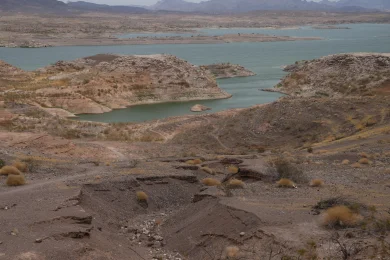
Lake Koroneia in northern Greece, once one of the country’s most important wetlands, has been reduced to less than one-tenth of its original surface area after years of low rainfall, high temperatures and excessive irrigation. Reuters reported on the situation amid the severe drought affecting Europe this summer.
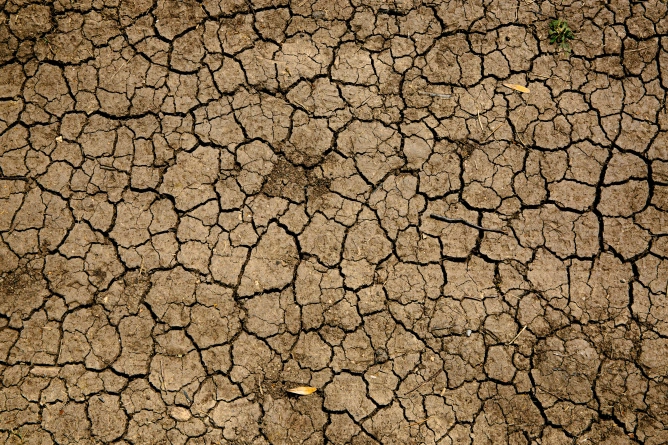
Data from the National Observatory of Athens show that the lake’s surface area fell from 34.4 square kilometers in 2016 to just 2.7 square kilometers. The remaining water is concentrated in a few murky ponds, while the exposed lakebed has turned into an expanse of cracked mud.
The sharp decline began after the rainy season of 2015–2016. Over the past five years, the lake basin has received an average of approximately 400 millimeters of rainfall annually, 150 millimeters less than in previous decades. At the same time, evaporation has increased by up to 150 millimeters per year.
Farmers pumped water from the lake for crops and livestock, worsening the crisis. In 2013, a European Union court ruled that Greece had failed to adequately protect the area from excessive irrigation, illegal wells and pollution. Authorities say monitoring is now stricter. Koroneia was once a habitat for flamingos and thousands of migratory birds, as well as a destination for anglers and tourists.
Sources


Latest News
NEWS ON THE SAME TOPICS