The European Environment Agency emphasizes the link between pollution and mental health issues, suggesting that reducing pollution could lessen depression and anxiety.



Always see our news on Google
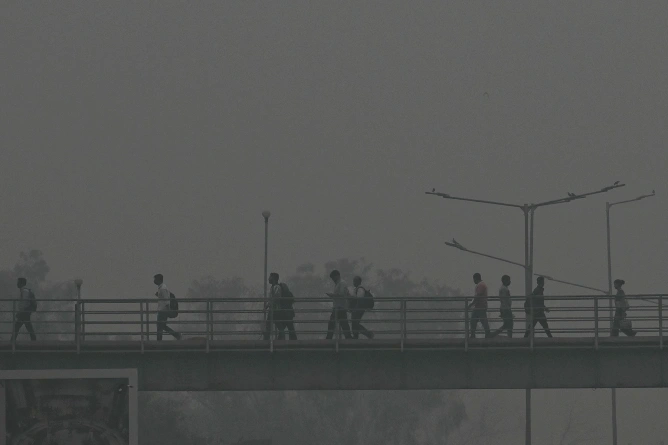
The European Environment Agency (EEA) has warned that mental health issues in Europe are closely linked to environmental pollution, including air, noise, and chemical pollution. An EEA report highlights that exposure to pollutants such as fine particles (PM2.5) and nitrogen dioxide (NO2) is associated with depression and depressive symptoms.
Additionally, exposure to chemicals such as lead and endocrine disruptors, especially during developmental periods, can increase the risk of mental health problems. Traffic-related noise pollution is also linked to an increased risk of depression and anxiety, particularly among vulnerable individuals.
The EEA suggests that implementing the EU's "Zero Pollution" action plan could improve mental health across Europe. Furthermore, interaction with nature has shown benefits for individuals with mental health issues, contributing to stress reduction and improving overall well-being. In 2023, mental disorders represent the sixth most common type of condition in the European Union and the eighth leading cause of death.
Sources



Latest News
00:32
22:56
22:37
22:23
22:09
See more news
NEWS ON THE SAME TOPICS


.webp)