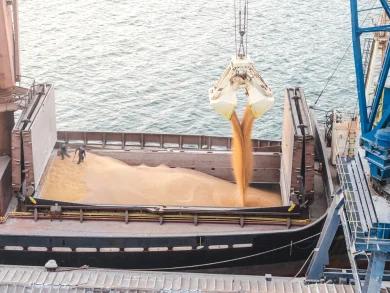

Ahead of the 2026-2027 season, attacks on ports and commercial vessels in the Black Sea began to visibly reduce wheat exports from Russia and Ukraine, driving transport and insurance costs to higher levels and forcing importers in Africa, Asia, and the Middle East to seek alternative sources.
Amid the route blockade, Russian companies reconfigured logistics, shifting grain exports toward the Baltic Sea and the Arctic region: terminals such as Ultramar in Ust-Luga and facilities at the port of Saint Petersburg began handling new flows, while ports such as Murmansk announced the resumption of exports in the coming period.
At the same time, the global market received another signal of easing commercial pressure: India decided to lift restrictions on wheat exports, following the limitations imposed in 2022, a measure seen as helping supply import-dependent countries.