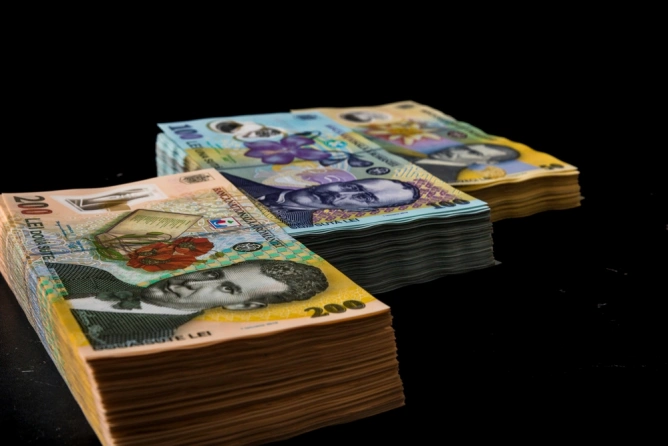
The minimum wage in Germany will increase from 12.82 euros to 13.90 euros per hour in 2026, with a new increase to 14.60 euros per hour expected in 2027, benefiting millions of employees.
Raluca Ioana Draghici



Diaspora
www.shutterstock.com

Always see our news on Google
The minimum wage in Germany, known as Mindestlohn, will undergo a significant increase starting January 1, 2026, rising from 12.82 euros gross per hour to 13.90 euros gross per hour. This increase of 13.9% is the largest in the history of the regulation and will bring a gross monthly income of approximately 2418 euros for full-time employees. Additionally, another increase to 14.60 euros per hour is expected in 2027.
The legal minimum wage generally applies to employees over the age of 18, but there are also sector-specific minimum wages established through collective agreements, which are usually higher. In certain sectors, such as electricity, the minimum wage will be 14.93 euros per hour starting in 2026. In the care sector, minimum wages will vary depending on the position and qualifications.
For those working under a Minijob arrangement, the monthly cap will increase from 556 euros in 2025 to 603 euros in 2026, allowing for approximately 43 hours of work per month at the new minimum wage. It is important to note that wages are presented gross, and the net amount varies depending on various deductions.
The legal minimum wage generally applies to employees over the age of 18, but there are also sector-specific minimum wages established through collective agreements, which are usually higher. In certain sectors, such as electricity, the minimum wage will be 14.93 euros per hour starting in 2026. In the care sector, minimum wages will vary depending on the position and qualifications.
For those working under a Minijob arrangement, the monthly cap will increase from 556 euros in 2025 to 603 euros in 2026, allowing for approximately 43 hours of work per month at the new minimum wage. It is important to note that wages are presented gross, and the net amount varies depending on various deductions.

Latest News
14:06
Marius Lulea claims that the person who took responsibility for placing the pig's head in his yard is doing so “at the urging of others”
14:02
ANAF expands risk analysis for VAT refunds / Companies must reconcile their tax data
13:55
The Franco-German compromise on the automotive industry risks undermining the EU’s climate targets and trade partnerships, Bruegel warns
13:54
Hamas warns Israel of a new attack on the scale of the one on October 7
13:49
Trump praised a participant at a Republican rally in South Carolina who struck a protester
See more news
NEWS ON THE SAME TOPICS



.webp)
.webp)


Personalized news feed, AI-powered search, and notifications in a more interactive experience.