Romania remains among the most affected countries in the EU by air pollution. Over 14,000 deaths attributed to fine particles in 2023.


Always see our news on Google
Brussels, December 1, 2025 – Air pollution remains the main environmental risk to the health of Europeans, with over 180,000 deaths attributed to fine particles in 2023, according to the latest estimates from the European Environment Agency. New data indicates that these deaths could have been avoided if pollution levels had been reduced to the values recommended by the World Health Organization.
In short: In Romania, air pollution remains a serious problem, with over 14,000 deaths in 2023 attributed to fine particles.
Although the situation has improved since 2005, high pollution levels continue to affect people's health, especially in cities.
Reducing pollution to the levels recommended by WHO would save thousands of lives each year.
Although air quality in Europe has steadily improved over the last two decades, significant differences remain between regions. The reduction of fine particle concentrations has led to a 57% decrease in health impacts between 2005 and 2023, but Eastern and Southeastern Europe continue to be the most affected areas due to high pollution levels and prolonged exposure. The report warns that nearly 95% of residents in European cities breathe air with pollution levels above WHO limits, which explains the persistence of a high burden of diseases and deaths.
The impact of pollution is felt not only through mortality but also through the deterioration of quality of life. Millions of people live with conditions exacerbated by exposure to pollutants, such as asthma, heart disease, or lung cancer, and new evidence suggests that pollution may also contribute to the development of dementia. These developments highlight the broad scope of the problem and the pressure on health systems.
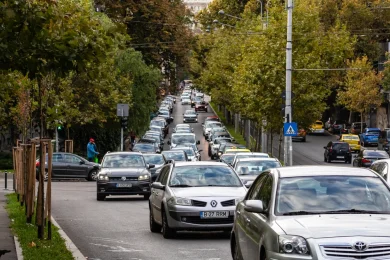
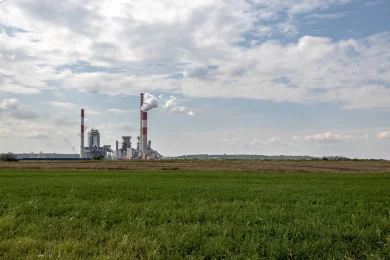
The new EU legislative framework on air quality, which came into force last year, brings European standards closer to WHO recommendations and is designed to accelerate risk reduction in the coming years. However, the Agency warns that progress will depend on the effective implementation of legislation and the ability of member states to reduce emissions from transport, industry, residential heating, and agriculture. In parallel, the EEA report also publishes detailed files for each state, confirming the extent of national differences: some countries recorded only a few dozen deaths attributable to air pollution in 2023, while others reported tens of thousands.
For countries like Romania, Bulgaria, or Poland, high levels of fine particle pollution continue to have a significant impact on public health, despite percentage reductions compared to 2005. These structural differences show that overall improvements at the European level do not translate equally across all countries and that national policies remain decisive in reducing population exposure.
The European Environment Agency emphasizes that air pollution remains the greatest environmental risk to health in Europe, surpassing noise, exposure to chemicals, and the effects of heatwaves. Despite progress, over 180,000 deaths could have been prevented if member states had reached the levels recommended by WHO, indicating substantial potential gains in public health.
The analysis is published at a key moment when decision-makers, scientists, and representatives of civil society gather at the European Clean Air Forum hosted in Bonn. Discussions focus on reducing exposure to pollution in cities, the role of green infrastructure, and the energy transition, with an emphasis on measures that can generate quick results in the coming years.
Latest News
12:14
11:59
11:41
11:18
11:15
See more news
NEWS ON THE SAME TOPICS