Copernicus warns: heatwaves and wildfires have increased exposure to ozone pollution



Always see our news on Google
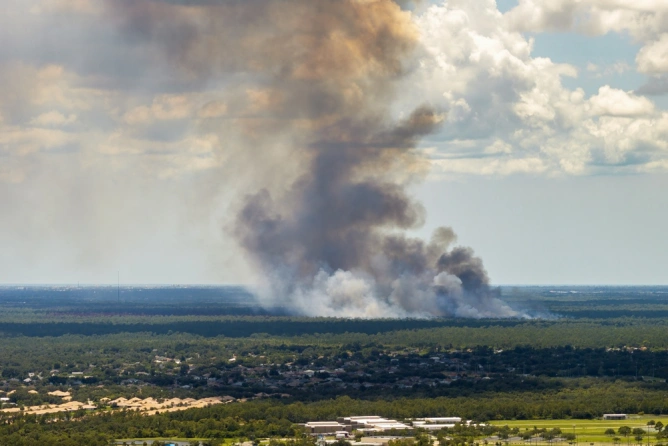
More than one-third of the world's population, or 34%, was exposed to extremely high levels of ozone pollution in the first eight months of 2026, according to a report by the European Union's Copernicus Atmosphere Monitoring Service (CAMS). The phenomenon was fueled by heatwaves and wildfires, combined with emissions generated by human activities.
Asia was the worst-affected region, with 53% of its population exposed to extremely high levels. In North America, two-thirds of residents breathed air rated poor or very poor, compared with 45% in Europe. Worldwide, 17% of the population was exposed to very poor-quality air, while only 5% benefited from good ozone levels.
Ozone forms in the atmosphere through chemical reactions between nitrogen oxides and volatile organic compounds under the action of ultraviolet rays. These pollutants mainly come from traffic, industry and fires. Ozone can cause coughing, eye irritation and breathing difficulties, and can worsen asthma.
Copernicus stresses that air pollution can cross continents and oceans. In Europe, it causes approximately 180,000 premature deaths each year, of which around 60,000 are associated with ozone.
Sources



Latest News
15:21
14:47
14:30
14:15
13:59
See more news
NEWS ON THE SAME TOPICS