Victor Negrescu coordinates the Working Group for the future of the European Parliament, horizon 2040



Always see our news on Google
The Romanian Vice-President of the European Parliament leads a "foresight" initiative to reconfigure legislation for the next two decades, aiming to increase decision-making power and maintain public trust. Victor Negrescu coordinates the Working Group for the future of the European Parliament, horizon 2040
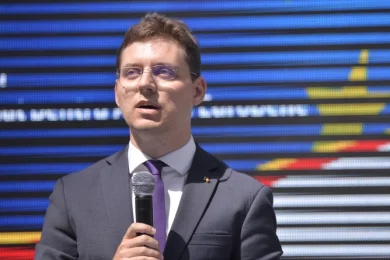
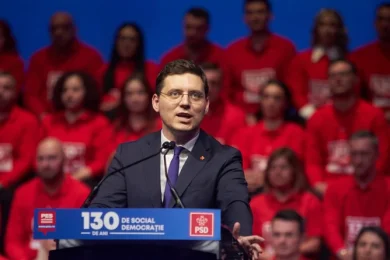
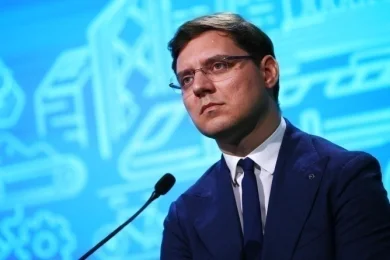
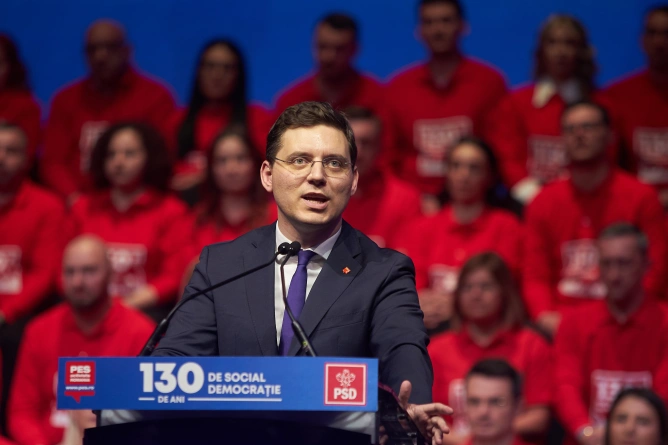
Brussels, January 27, 2026 – Victor Negrescu, Vice-President of the European Parliament, announced the operationalization of a Working Group dedicated to designing the future of the institution until 2040. Initiated by Negrescu and approved by the Parliament's Bureau, the group aims to use "foresight" strategies to prepare the Parliament for challenges ranging from enlargement to institutional reform.
In short
Victor Negrescu coordinates the new Bureau Working Group on the Future of the European Parliament, a role previously held, 15 years ago, by the Secretary-General.
The group uses a "foresight" methodology to analyze scenarios regarding the evolution of the institution over the next two decades.
Key objectives include increasing the decision-making role of the Parliament, reforming electoral constituencies, and maintaining the status of the most trusted EU institution.
"The purpose of this working group is to reflect on the future of this institution, the perspective of the year 2040," explained Victor Negrescu in a statement for 2eu. He described the initiative as "a foresight approach to sketching everything that means the evolution of the institution." The Vice-President emphasized the need to protect the institution's position in front of citizens: "The European Parliament is currently the European institution that enjoys the highest trust among the population, and we want to maintain this trust and increase the role of the European Parliament in the decision-making process of the European Union."
The working group, which meets during each plenary session, involves representatives from all political groups and collaborates with research experts to develop various scenarios. The agenda covers a wide range of topics, from inter-institutional relations and communication with citizens to the potential enlargement of the EU. "Themes can vary... from how the European Parliament relates to national parliaments to, for example, the possibility of going to the Court of Justice of the European Union," detailed Negrescu. He also mentioned that structural issues are on the table: "We need to consider, for example, whether the European Parliament will expand, whether there will be changes in what electoral constituencies mean for MEPs. Some are elected at the regional level, others at the national level."
Negrescu highlighted the importance of a Romanian MEP leading such a structural reform, noting this as a sign of the country's increasingly mature profile in Brussels. "For me, as Vice-President of the European Parliament, it is an important responsibility," he said. "I believe it is an additional reason for pride that, look, Romanian MEPs can manage such important issues, I would say, for the future of a European institution. This means that we, Romanian deputies, have managed to gain more influence in this institution." The group aims to present a first part of the analysis by autumn 2026.
https://2eu.brussels/ro/stiri/victor-negrescu-coordoneaza-grupul-de-lucru-pentru-viitorul-parlamentului-european-orizont-2040
Latest News
14:30
14:20
14:08
13:56
13:40
See more news
NEWS ON THE SAME TOPICS
.webp)