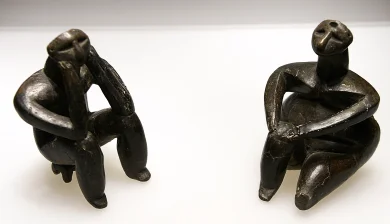
A clay figure, over 7,500 years old, was discovered near the municipality of Sfântu Gheorghe, providing insights into the Starcevo-Criș Neolithic culture.



Always see our news on Google
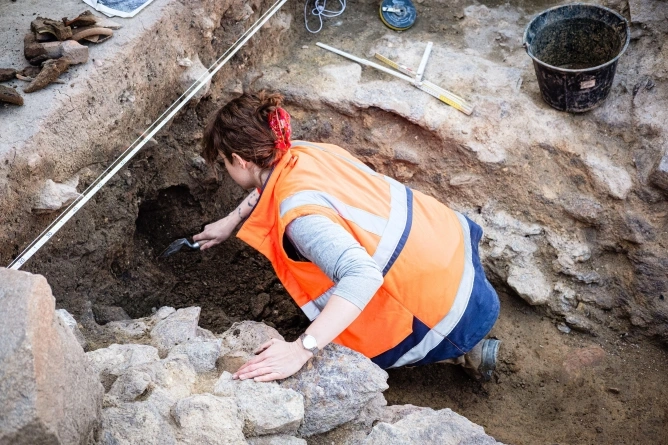
A team of archaeologists from the National Museum of Eastern Carpathians has discovered a female figurine made of clay, dating back over 7,500 years, during preventive excavations in the Arcuș - Târgu Plateau area, in the context of the expansion of electrical networks for Sepsi Arena. This discovery comes from a Neolithic settlement of the Starcevo-Criș culture, one of the oldest agricultural cultures in southeastern Europe.
The figurine, 6 centimeters tall, was molded from clay mixed with chaff and sand, having a light beige color. The details of the figurine suggest a female representation, with raised arms, symbolizing prayer or communion with the divine. Experts believe that it may have had a ritual role, being used as an offering or amulet. The discovery is valuable due to the rarity of these figurines in the Starcevo-Criș culture, most coming from other regions.
Sources


Latest News
22:55
22:48
22:22
22:14
21:54
See more news
NEWS ON THE SAME TOPICS