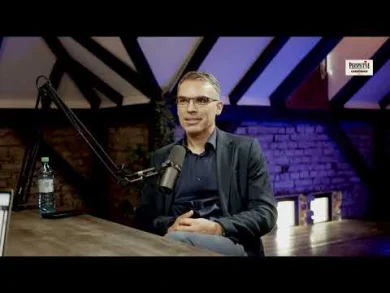
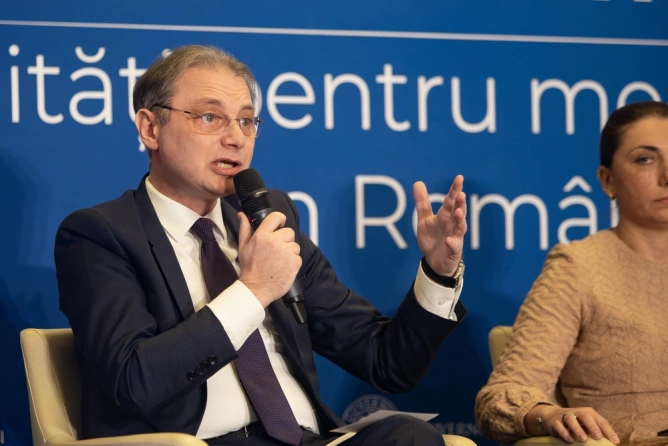
Remus Ștefureac at the podcast "A Second Opinion": "In Romania, the data shows the accumulation of social tension"


Always see our news on Google
Remus Ștefureac on the podcast "A Second Opinion": "In Romania, the data shows the accumulation of social tension from multiple angles: the management of justice in society, economic and social grievances, large disparities in wealth among people, propaganda against the European Union, the cancellation of presidential elections."
He talks in the podcast about the accumulated tension in Romanian society after the pandemic, after restrictions and the economic, energy, inflation crisis, after political instability, the war in Ukraine, and the cancellation of presidential elections in Romania.
"All of these have contributed to heightened tension. Plus internal grievances, the unequal distribution of income, problems in justice," says the political scientist.
There is a need for analyses in justice and overnight decisions do not help, he believes, but "what is important is the credibility of these analyses and the trust of people in them, in those who make them, and politicians must show that they hear the signals from the people in the streets, in society, but at the same time, they must regain their trust through the analyses they will make."
It is not realistic to expect things to change overnight after protests, says Remus Ștefureac: "Dialogue is needed, well-thought-out decisions, carefully measured, listening to the parties, that’s what we need. Otherwise, we will cease to be a democracy."
He notes that there is an increasing cultivation of a hostile attitude towards the European Union, elements of Russian propaganda being present not only in Romania but throughout the European Union, and the unpleasant part is that, "in Romania, some political leaders have begun to assume this openly. We cannot help but think that they are connected to this propaganda, they are explicit instruments of Russian propaganda, considering that they do not take into account the fact that 90% of Romanians believe that it is in the national interest to be in the EU and NATO."
Latest News
11:47
11:17
11:09
11:02
10:59
See more news
NEWS ON THE SAME TOPICS