Andrei Cornea: A Traveler Without Borders



Always see our news on Google
“Border,” “boundary,” “frontier” – three synonyms for something rather unpleasant in the old days. For it referred to something severe and constraining and very clearly marked, so as to make sure you did not ignore it: it demanded that you take it into account in many ways and from many perspectives, including etymological ones...
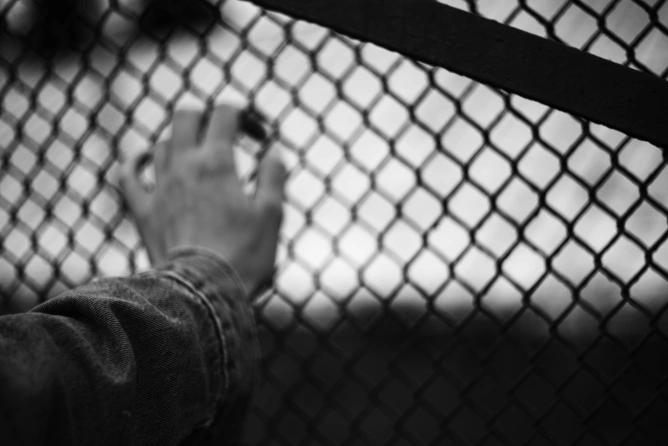
Do we still remember the way we used to travel abroad, back when it was possible? (Usually, it wasn’t, but sometimes the authorities’ grace descended upon you and behold, you had the precious passport!) I am referring to the journey itself, by train: after a night of jolting in the supposedly sleeping car, you would hear the brutal knocking of the attendant at the door, telling you to prepare your documents for inspection, because the frontier was approaching – as if you had much to prepare, but you absolutely had to be awake half an hour beforehand! Then came several rounds of inspections – customs officers, Romanian border guards, inspectors of the Romanian border guards, Hungarian border guards, Hungarian customs officers, train inspectors... All solemn and surly, shining a flashlight into your eyes, looking critically (they meant vigilantly) at your face, passport, ticket, luggage, clothes, under the benches... They made you understand that they were doing you a great favor by letting you cross the border, although everything was in order. You were automatically suspect. Some – perhaps because of a careless remark, an accusation – were searched down to the skin by men or women, as the case might be, in a separate compartment; their luggage was opened and, more than once, rummaged through. Meanwhile, the train lingered eternally in Curtici station, and you wondered when they would let you proceed, or whether they would let you proceed at all. You had learned that some people had been taken off the train... Then the gods of the customs took pity, the train began to move and, clattering over the points, crossed, rather unwillingly, into the “neighboring and friendly” country. A few hours later came the other border, with other customs officers and other inspectors, on the way to Austria. And only after you had crossed that one too did you know that you were – hooray! – in the “free world”! But free or unfree, at every border crossing, the same ritual – more simplified or more prolonged: border guards on both sides, inspections, suspicious glances at the luggage or passport... In short, you were informed continuously and systematically that there were numerous borders and customs posts between countries, that they were essential, that without them, supposedly, it was impossible either to travel or to breathe, almost even to... live.After 1989, the passport became a right again, not a privilege. But what good was that at first? You had a passport, but no visas for the main Western countries. Now you were free to leave the country, but not to enter another one, which viewed you suspiciously and demanded various supporting documents in order to stamp a sprawling visa into your passport. And do you still remember the huge lines and crowds outside the embassies of Germany, France, and Italy? People came in the dead of night and slept in their cars in order to get a place. An entire local, spontaneously born street trade had sprung up – stalls or trailers selling sandwiches, pastries, croissants, soft drinks, stamps, but also photocopy shops busily copying documents.
And suddenly, in 2002, all this proto-capitalist human bustle vanished: it became possible to travel without a visa to the main EU countries. The problem of money remained, however: most of us were poor; you traveled almost only if you had an invitation, a job secured “abroad,” a scholarship or a grant, etc... Gradually, however, we began to be less poor – not exactly wealthy, but able to afford a short stay abroad. In the meantime, a passport was no longer necessary either, and it became possible to travel anywhere in Europe using only an identity card. They still asked for it at borders – in airports – or at land borders when traveling by car. You could still feel that the frontier existed – the “final frontier.” You could still sense certain suspicious glances. But that too disappeared; we entered Schengen – first at airports, then everywhere, and not all that long ago, in 2025. Now we travel throughout Europe as if it were home, because in some way we are “at home” – Vienna is like Iași –; no one asks you anything anymore, no one demands anything, and practically you no longer even know when you are on the other side, if you are in a car. There is no longer any “other side”... And although we have not switched to the euro, we hardly need to exchange money physically anymore either: bank cards usually work everywhere. Only when you travel do you begin to feel what a marvel this European Union is! It is no coincidence that it has so many enemies – in the East and in the West, but the most damaging thing is that quite a few are within it...
Yes, some people praise (more elegantly or more brutally) the borders – including those guarded by surly, poorly shaven customs officers who wake you at the crack of dawn and suspiciously rummage through your luggage. Presumably, they would like to have these men beside them again, along with the street bustle around the embassies; perhaps they even masochistically yearn for being refused a passport, or for the obligation to return it within three days of arriving in the country, in exchange for their identity card. Presumably, they are nostalgic for the great “privilege” of traveling “abroad,” and aspire to the humiliation of a wallet full of money that you cannot exchange for other currencies. Or perhaps they want to feel once more the tightening in their chest and the tension whenever they approached that “other side,” without which life was unimaginable.
Latest News
15:04
14:55
14:44
14:38
14:30
See more news
NEWS ON THE SAME TOPICS