The war moves underwater: Submarine cables and pipelines become a strategic stake



Always see our news on Google
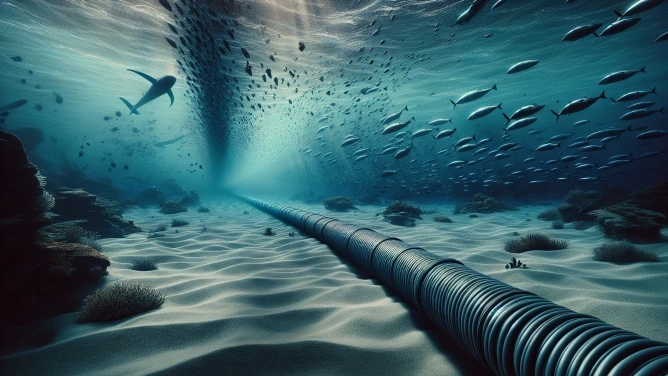
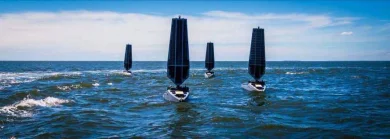
Governments and defense companies are increasingly investing in underwater drones, sensors and autonomous systems to monitor critical infrastructure on the ocean floor, which is threatened by sabotage and new forms of hybrid warfare. Telecommunications cables, oil and gas pipelines, and subsea power cables are at the center of these concerns.
The explosions targeting the Nord Stream pipelines in the Baltic Sea in September 2022, as well as incidents in the Arctic and near Taiwan, have prompted governments to pay greater attention to this field. At the beginning of 2026, more than 1.5 million kilometers of subsea communications cables were in operation worldwide.
Fincantieri announced investments of approximately 600 million euros in companies specializing in underwater drones, mapping and underwater communications. Thales, in turn, is developing sonar, mine-detection and anti-submarine warfare systems. German company Euroatlas is testing the GrayShark autonomous vehicle, capable of inspecting pipelines and identifying suspicious objects without constant human control.
Experts warn, however, that protecting all infrastructure is impossible. Difficult communications, limited visibility and restricted autonomy mean that underwater drones still lag far behind aerial ones. These systems can improve surveillance and deterrence, but they cannot make the ocean floor completely safe.
Sources


Latest News
23:13
23:02
22:58
22:25
22:21
See more news
NEWS ON THE SAME TOPICS






.webp)