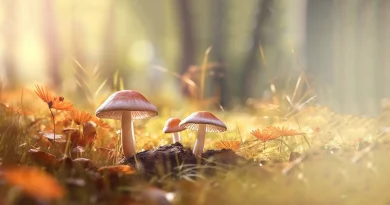
A mushroom discovered in Chernobyl, Cladosporium sphaerospermum, seems to use radiation to grow, contradicting previous theories about the adaptation of life to extreme environments.



Always see our news on Google
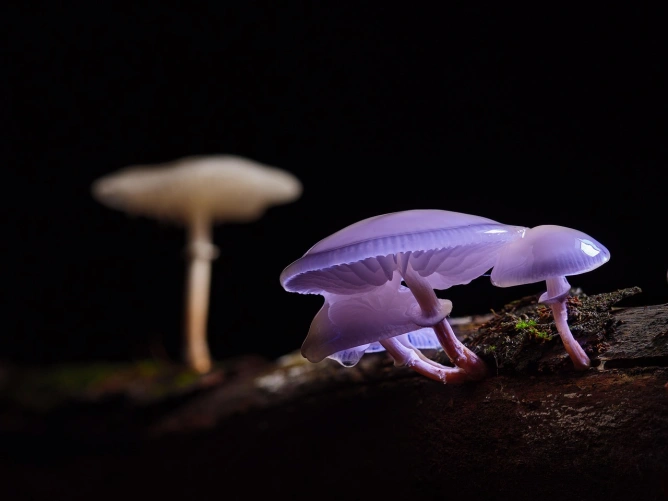
Cladosporium sphaerospermum, a black fungus discovered in the ruins of reactor 4 at Chernobyl, has sparked the interest of researchers due to its ability to thrive in extreme radiation conditions. Identified in the late 1990s, this fungus not only withstands radiation but seems to grow better in its presence, which contradicts previous notions about the adaptation of organisms to hostile environments.
Experiments have suggested that it could perform a process similar to photosynthesis, called 'radiosynthesis', through which the melanin in the fungus transforms radiation into biochemical energy. Although research has shown that radiation influences the behavior of melanin, the exact mechanism of this energy capture remains unclear. In 2022, samples of the fungus were sent to the International Space Station, where they demonstrated the ability to block cosmic radiation, suggesting their potential as a biological shield for space missions. The question remains whether this adaptation is a sophisticated response to stress or a true form of evolution.
Sources


Latest News
09:26
09:01
08:57
08:52
08:48
See more news
NEWS ON THE SAME TOPICS