The Hayli Gubbi volcano in Ethiopia has erupted, causing clouds of ash that have affected flights in India and the Middle East.
Lara Maior


International
Tatyana Druzhinina/ Shutterstock.com

Always see our news on Google
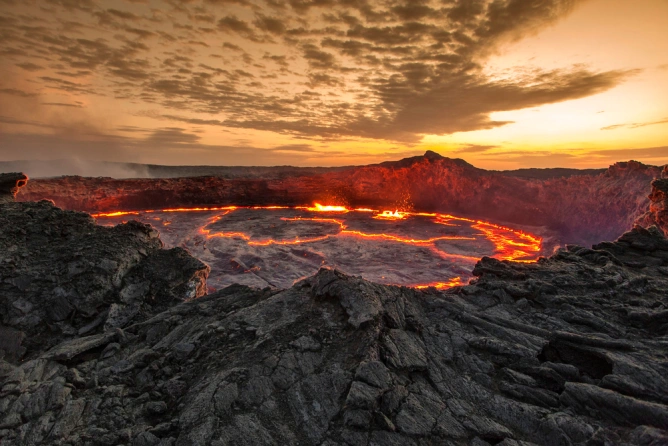
The Hayli Gubbi volcano in the Afar region of Ethiopia erupted for the first time in nearly 12,000 years, releasing ash up to 14 km into the atmosphere. The eruption occurred on Sunday and generated ash clouds that affected air routes in the Red Sea, causing airlines in India and the Middle East to cancel or divert flights. Although no casualties were reported, villages near the volcano were covered in ash, affecting animal feed. Residents reported loud explosions and shocks. Indian authorities canceled flights and warned passengers about delays. The ash was observed moving eastward towards China, and meteorologists estimate that it will soon leave Indian airspace. The Afar region is known for its tectonic and volcanic activity, being located near the active Erta Ale volcano.
Sources

Flights cancelled after Ethiopia volcano erupts for first time in 12,000 years forming huge ash cloud

Ethiopian volcano erupts after lying dormant for 12,000 years

Volcano in Ethiopia erupts for first time in nearly 12,000 years: "It felt like a sudden bomb"
Volcano erupts in northern Ethiopia, sending ash plumes toward Yemen and Oman
Latest News
21:25
Donald Trump's spokesperson, Katie Zacharia, fired after less than a week
21:22
Acting Prime Minister, warning to the Niculescu Government: “The most dangerous adversary is still the PSD”
21:04
Ilie Bolojan, on his term as prime minister: “Not all decisions, the dozens of daily decisions, were perfect”
20:55
Ilie Bolojan announces that the PNL will pay the 14 million lei spent on Nicolae Ciucă’s election campaign, following the HCCJ’s decision
20:54
Eurostat: Romania has the highest annual inflation rate in the EU, at 6.5%, in September
See more news
NEWS ON THE SAME TOPICS

International
Mount Etna has erupted again: Restrictions at Catania airport, diverted flights and temporary suspensions

International
Etna has been putting on a rare volcanic show for seven days: tourists are flocking to the trails, ash is closing the airport.


Personalized news feed, AI-powered search, and notifications in a more interactive experience.


.webp)