The European Union is facing difficulties in using frozen Russian assets to finance Ukraine, due to the unlimited guarantee requests made by Belgium.
Raluca Ioana Draghici


International
www.shutterstock.com

Always see our news on Google
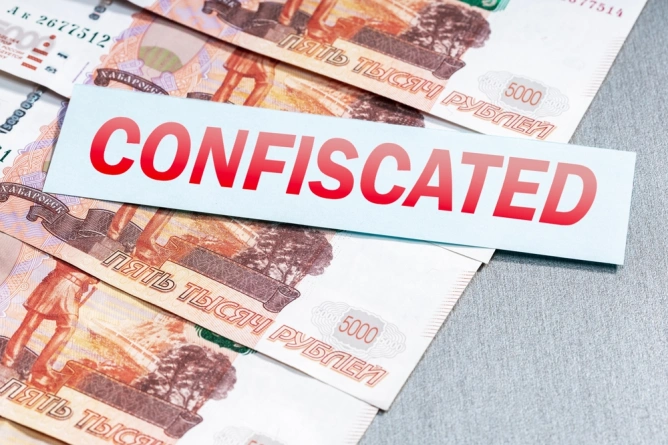
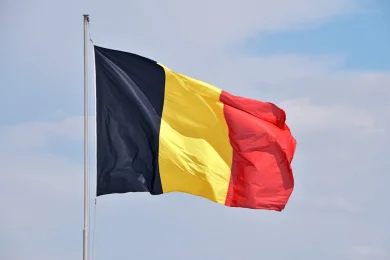
The European Union's plan to use the 140 billion euros in frozen Russian assets to support Ukraine faces significant obstacles. Belgian Prime Minister Bart De Wever is calling for member states to provide financial guarantees that exceed the total value of the assets, which can be activated quickly even after the sanctions against Russia expire. This requirement is considered unacceptable by many European countries, which hesitate to offer a "blank check."
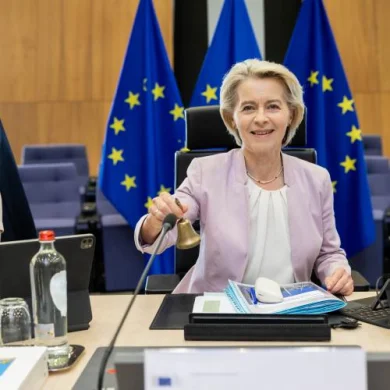
The European Commission, led by Ursula von der Leyen, is working on a legal framework for loans, but the guarantees requested by Belgium risk derailing the negotiations. European diplomats warn that a ruling in favor of Russia in court could severely impact the financial stability of member states. If the deadlock continues, the Union may have to issue additional debt, an unpopular option, as it would increase the tax burden on European taxpayers. In this context, the head of European diplomacy, Kaja Kallas, has called for calm and openness to dialogue to find a viable solution.
The European Commission, led by Ursula von der Leyen, is working on a legal framework for loans, but the guarantees requested by Belgium risk derailing the negotiations. European diplomats warn that a ruling in favor of Russia in court could severely impact the financial stability of member states. If the deadlock continues, the Union may have to issue additional debt, an unpopular option, as it would increase the tax burden on European taxpayers. In this context, the head of European diplomacy, Kaja Kallas, has called for calm and openness to dialogue to find a viable solution.
Sources


Latest News
12:42
Salt Bank has nominated Roxana Cristea for the position of Chief Business Officer, pending approval from the National Bank of Romania
12:33
Drivers and future drivers must comply with new medical rules for obtaining or renewing a driving licence, effective November 6, 2026
12:25
The Brussels court will hear on Monday ROMATSA’s and the Romanian state’s challenges to the garnishment of the administration’s accounts over a debt of 3.42 billion lei
12:16
PSD President Sorin Grindeanu: “We do not accept the waste of public money. Therefore, I want to make it very clear: next year, taxes for Romanians and Romanian companies will not increase”
12:13
Sorin Grindeanu proposes that Prime Minister Luca Niculescu assume responsibility for administrative reform and the reorganization of the state
See more news
NEWS ON THE SAME TOPICS

International
The European Commission is seeking solutions to cover Ukraine’s €70 billion funding shortfall in 2027
International
Volodymyr Zelenskyy is asking Europe for an additional €70 billion to support Ukraine in its war with Russia

Personalized news feed, AI-powered search, and notifications in a more interactive experience.