
Context: Russia has previously been accused of interference and cyberattacks surrounding elections, while some online operations were disrupted
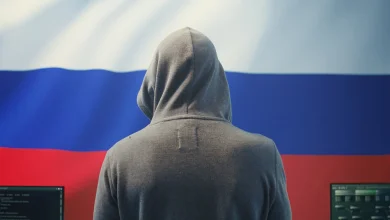
Before the warnings in Congress, Russian authorities reported that, on the second day of the parliamentary elections, Moscow’s online voting systems and communication lines in several regions had been targeted; officials said the attempts were blocked and the affected services restored. In parallel, Foreign Minister Sergey Lavrov accused the West of trying to interfere in the vote, while the hacker group CikLeak announced that it had compromised servers belonging to the Central Election Commission and to contractors involved in the remote electronic voting system.
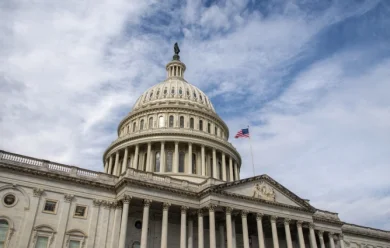
At the same time, a report for the U.S. Congress described Russia’s “hybrid warfare” campaign in Europe — including sabotage, cyberattacks, and political interference — and listed Romania among the six countries targeted in order to destabilize support for Ukraine.
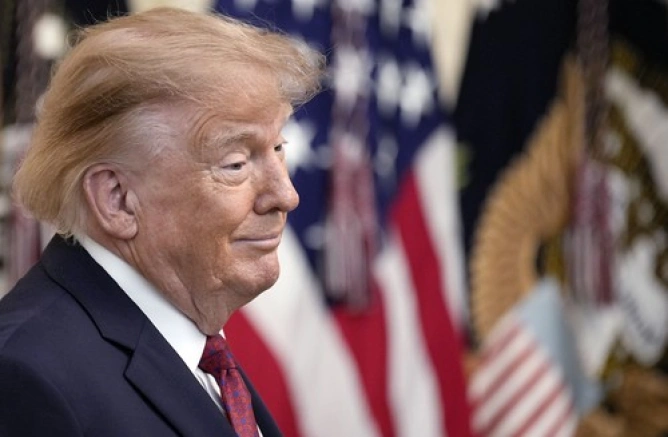
Separately, in another round of tensions related to digital infrastructure, attacks on Russian data centers used by Yandex reportedly reduced the activity of bots connected to this infrastructure by more than 99%, with the effects observed on social networks in the U.S. and Europe, where fewer pro-conservative and pro-Trump reactions were reported.