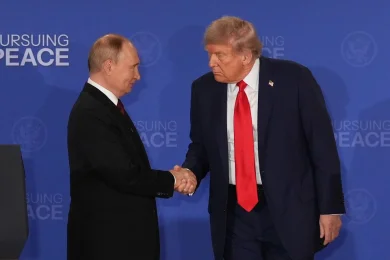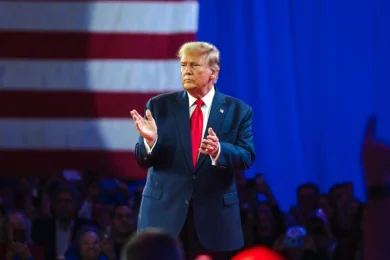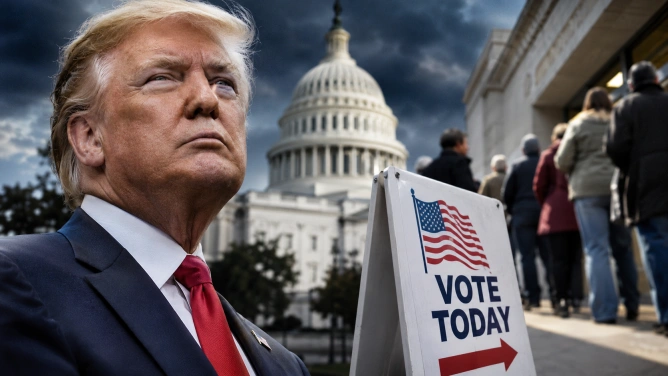

Before the warning concerning the ports, Donald Trump announced that, following a discussion with Vladimir Putin, Russia would resume diesel deliveries to the United States and the global market: the first shipment was expected to exceed 300,000 tons, followed by another 500,000 tons in November and an additional one million shortly afterward, with a further tranche of three million later. The decision was criticized by Volodymyr Zelenskyy, who called it “weak,” saying that Moscow’s revenues would fuel the war against Ukraine, amid the intensification of Russian airstrikes.
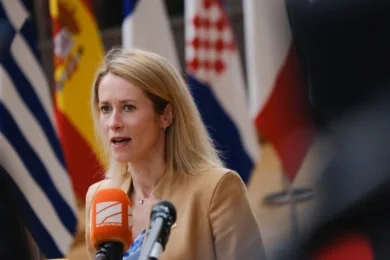
The reaction also came from Europe: EU foreign policy chief Kaja Kallas warned that the suspension of US sanctions would provide Russia with additional revenues to finance the war, adding that the European Union was preparing new sanctions against approximately 1,600 individuals and entities. Meanwhile, former ambassador Steven Pifer said that lifting the sanctions could contribute to financing Moscow’s war effort.
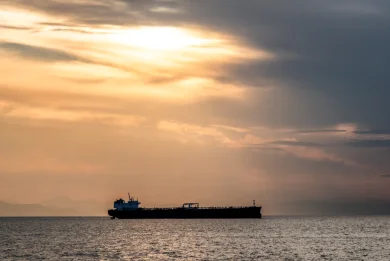
Before some shipments became visible on routes to the US, Greenpeace Ukraine identified on October 29 seven tankers carrying Russian diesel crossing the Atlantic Ocean, loaded with approximately 288,000 tons, some associated with the “shadow fleet” and with sanctions in several countries. Senator Richard Blumenthal warned the shipping company that the deliveries could violate the 2022 US law banning imports of Russian oil.