19 March 06:56
What challenges does NATO face in the face of the crisis in the Middle East and how does it affect the unity of the alliance
Lara Maior


International
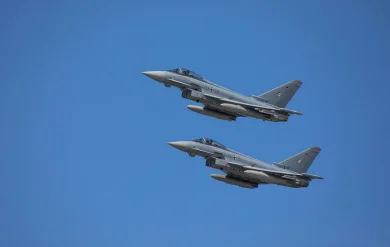
AustralianCamera/ Shutterstock.com

Always see our news on Google
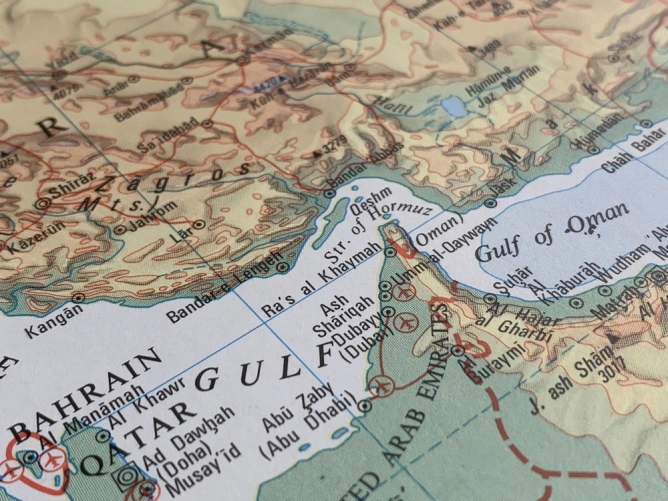
The recent dispute between the United States and NATO allies, fueled by the confrontation with Iran and rising global energy prices, tests transatlantic cohesion. President Trump expressed frustration after most allies refused to deploy naval forces in the Strait of Hormuz, where Iran has imposed a blockade. Estonia, through its interior minister Pevkur, emphasized the importance of cooperation in resolving the crisis, warning that divisions would benefit Russia. France and Germany have adopted a cautious stance, refusing active military involvement but leaving open the possibility of contributing to the escorting of commercial vessels in the future. While some countries in Eastern Europe are more open to discussions, the general reluctance reflects fears related to escalating the conflict and long-term responsibilities. Daniel Fried, a veteran American diplomat, emphasized that European interests are at stake, and a coalition of willing states could be a viable solution. The dispute also highlighted the political divisions in the American Congress, with Republicans calling for a firmer response, while Democrats advocate for caution.
Sources


Latest News
22:59
President Emmanuel Macron congratulated the PSG team after winning the Champions League trophy
22:50
An experimental injection against cancer completely eliminated tumors in patients who did not respond to chemotherapy or immunotherapy.
22:46
Donald Trump compares himself to Elvis Presley and announces plans for a major rally called "America is Coming Back"
22:32
Rapper Vanilla Ice refuses to cancel the concert in Washington and criticizes withdrawals for political reasons
22:21
Massive mobilization of firefighters and intervention robots in Brașov County following an industrial fire
See more news
NEWS ON THE SAME TOPICS
International
President Donald Trump calls for the elimination of uranium stocks in the discussions regarding the ceasefire with Tehran.
International
Tusk warns NATO: Medvedev's threats cannot be ignored


Personalized news feed, AI-powered search, and notifications in a more interactive experience.