Exxon Mobil and Chevron reported significant declines in net profit in the first quarter, despite rising oil prices caused by the war in Iran.
Radu Burcă


International
Foto: shutterstock.com

Always see our news on Google
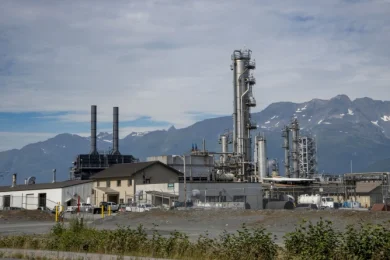
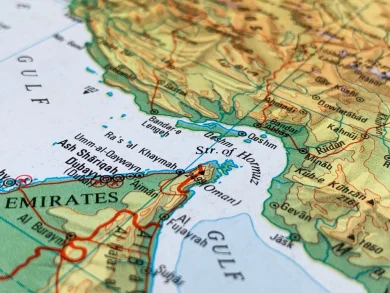
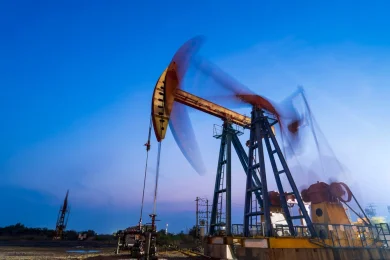
Exxon Mobil and Chevron, the largest oil companies in the U.S., reported a decline in net profit in the first quarter, with a 45% drop for Exxon and 36% for Chevron, according to Bloomberg. This situation arose in the context of a sudden increase in oil prices, which rose by 57% following the U.S. and Israel attacks on Iran on February 28, causing the largest disruption to oil supply in history. Although oil prices had decreased in the early months of the year due to expectations of a surplus, the war dramatically changed the situation. Exxon warned that its production in the Middle East could decrease by 750,000 barrels per day if the Strait of Hormuz remains closed, and the volume processed by refineries will decrease by 3%. CEO Darren Woods mentioned that approximately 15% of Exxon's production is affected by the conflict, and the resumption of deliveries could take up to two months.
Sources

Haosul din Orientul Mijlociu nu i-a ajutat pe marii producători americani de petrol. Exxon Mobil şi Chevron raportează profituri aproape la jumătate în primul trimestru al acestui an

Haosul din Orientul Mijlociu nu i-a ajutat pe marii producători americani de petrol. Exxon Mobil şi Chevron raportează profituri aproape la jumătate în primul trimestru al acestui an

Câștigurile Exxon Mobil și Chevron scad din cauza războiului din Iran, care perturbă transporturile de petrol
Latest News
15:25
Șefa ANM anunță că angajații vizați în cazul achizițiilor nu mai lucrează în instituție, iar prejudiciul va fi recuperat
15:23
Kremlinul confirmă participarea Rusiei la negocierile trilaterale de la Abu Dhabi, programate pe 10 și 11 noiembrie
15:14
Drought and storms disrupted Europe’s infrastructure in a chain reaction in 2026, European Environment Agency says
15:11
Europol and authorities from 16 countries flag more than 9,000 links containing terrorist and violent extremist propaganda on gaming platforms and social media
15:02
The European Commission notes progress for Roma people but warns that poverty, segregation and discrimination persist
See more news
NEWS ON THE SAME TOPICS
Economy
Chevron and ExxonMobil hit record highs after doubling their profits amid the global fuel crisis
International
Oil prices rose sharply by almost 5% after the American attacks on Iran, amplifying fears about energy supply.
.webp)

Personalized news feed, AI-powered search, and notifications in a more interactive experience.