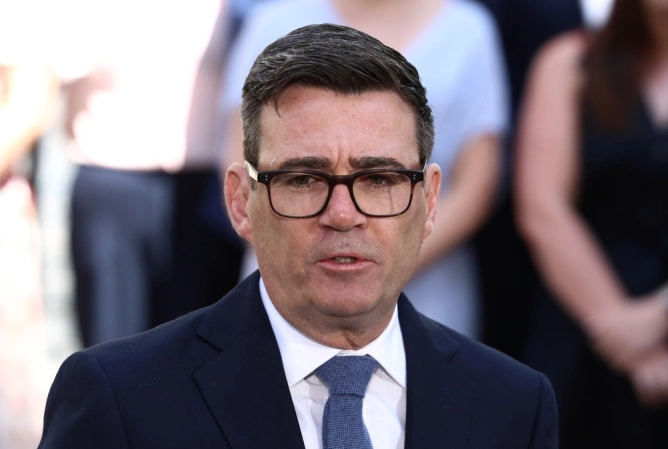
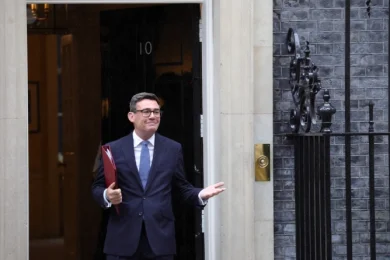
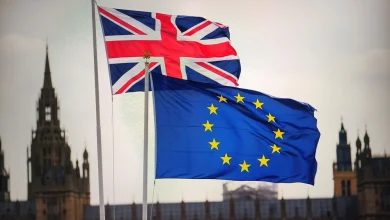
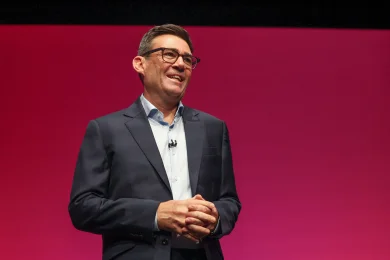
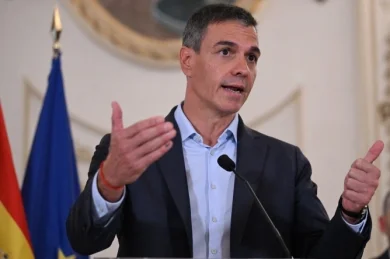
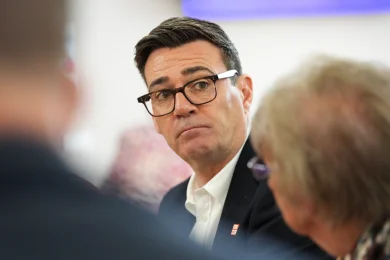
British Premier Andy Burnham does not rule out the possibility that the United Kingdom could, under certain conditions, return to the European free movement system. The statement was made in an interview with The Sunday Times, against the backdrop of debates over the evolution of immigration after Brexit.
Burnham argued that the issue must be rigorously analyzed on the basis of data and evidence, without keeping the United Kingdom outside the European free movement system being a mandatory condition in any potential negotiations with the European Union.
The British politician said that the nature of immigration has changed after Brexit. According to him, more foreign citizens are choosing to settle permanently in the United Kingdom instead of returning to their countries of origin.
The statements do not constitute an official announcement regarding a change in government policy, but they reopen a sensitive debate in British politics. Free movement was abolished for European citizens after the United Kingdom left the EU, being replaced by a national immigration system based, among other things, on eligibility criteria for work. Immigration control was one of the central themes of the Brexit campaign.
Context: Andy Burnham reignited the debate about bringing the United Kingdom closer to the EU early on, following his return to the political stage
Prior to his statement on immigration, Andy Burnham announced that he would present several options for bringing the United Kingdom closer to the European Union and that Brexit had done “more harm than good”. He said that London must decide on its long-term relationship with the EU and suggested that the “red lines” in the 2024 Labour programme (including ruling out a return to the customs union or the single market) could be reconsidered in an attempt to build a consensus.
Burnham also indicated that he was preparing talks with European Commission President Ursula von der Leyen to organise an EU-UK summit by the end of the year and to discuss issues such as “Made in Europe” legislation and youth mobility; a summit initially scheduled for July was postponed following Keir Starmer’s resignation, with no new date set.