The Parliament supports new measures to secure the supply of critical medications.




Always see our news on Google
The Public Health Committee adopts proposals to reduce dependence on non-EU countries and create a dedicated security fund for essential medicines. Parliament supports new measures to secure the supply of critical medicines
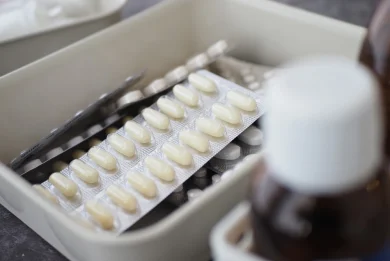
Brussels, December 16, 2025 – The Public Health Committee of the European Parliament has adopted a bill aimed at strengthening the security of the supply of critical medicines in the EU. With 27 votes in favor, the committee decided to reduce the Union's dependence on external suppliers and to stimulate the competitiveness of the domestic pharmaceutical sector, addressing a situation where over 50% of shortages are caused by production issues.
In short, The new measures support the creation of strategic industrial projects for modernizing the production capacity of essential medicines, such as antibiotics and insulin, within the EU.
MEPs have called for the establishment of a Fund for the security of critical medicines within the next multiannual financial framework to support these initiatives.
The proposal includes a mechanism for coordinating and redistributing national stocks to assist member states facing urgent supply disruptions.
The text of the bill emphasizes the need for "strategic projects" to create or modernize the production of critical medicines and their active ingredients in the European Union. To ensure the success of these projects, MEPs want the Commission to establish clear evaluation guidelines and request member states to prioritize financial support for them. This desire for independence is complemented by the proposal for a "Fund for the security of critical medicines," which would provide dedicated financial support in the future EU budget.
To further stabilize the market, the report encourages procurement procedures that award contracts to multiple suppliers. This strategy aims to diversify supply chains and prevent excessive dependence on a single producer. The Commission also highlighted the benefits of voluntary joint public procurement, where groups of member states or the Commission pool their resources to purchase innovative or costly treatments, such as those for rare diseases.
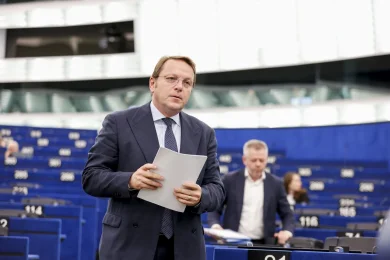
Rapporteur Tomislav Sokol described the vote as a defining moment for Europe's health security, stating that the report establishes the necessary incentives to boost pharmaceutical production in the EU while ensuring equitable access to essential treatments. The Parliament's position is expected to be adopted during the plenary session in January 2026, after which negotiations with EU governments can begin.
Latest News
09:52
09:40
09:25
09:02
08:56
See more news
NEWS ON THE SAME TOPICS