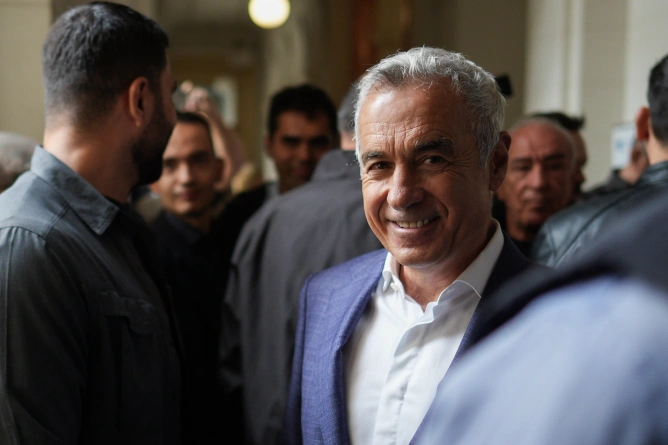
Virgil Popescu calls for a unique European planning for energy infrastructure by 2050
2eu.brussels


EU
Foto: 2eu.brussels

Always see our news on Google
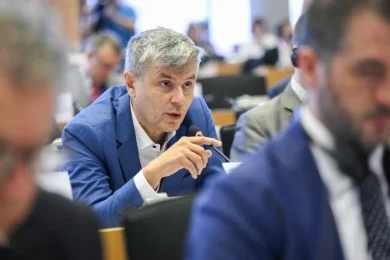
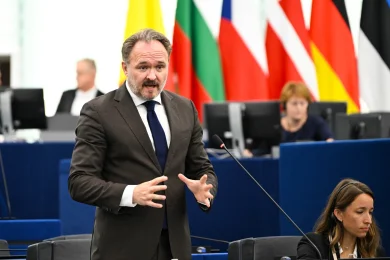
MEP Virgil Popescu argues that the revision of the TEN-E regulations should lead to a unified framework for planning European energy infrastructure, capable of integrating priority projects, investment needs, and risks that affect the security of networks. The position was presented during discussions in the working group for economy and environment of the European People's Party, where Popescu participates as a shadow rapporteur.
In short
Virgil Popescu argues that current processes for planning European energy infrastructure are fragmented and do not provide a coherent vision for 2040 and 2050. The EPP proposes transforming the European Commission's common scenario into a Strategic Scenario of the Union for energy infrastructure. Planning should include security risks, cyber threats, extreme weather phenomena, geopolitical disruptions, and the protection of critical infrastructure. Future energy demand should be assessed based on electrification, industry, data centers, hydrogen, and other strategic sectors. Popescu states that Romania can benefit by strengthening national networks and developing European interconnections.
TEN-E is the European regulation that establishes guidelines for the development of trans-European energy infrastructure and for the interconnection of the energy systems of member states. The rules define priority investment areas and the framework through which energy projects with cross-border impact can be identified and supported at the European level.
Virgil Popescu states that one of the main problems of the European Union is the lack of an integrated framework for energy infrastructure planning. In his opinion, existing mechanisms have important roles, but they are not brought together in a strategic vision of how European energy infrastructure should look in 2040 and 2050.
The MEP argues that the European Union currently does not have a sufficiently clear picture of the priority cross-border energy corridors. He links this issue to the lack of a comprehensive assessment of the investments needed to achieve the Union's common objectives.
During discussions in the EPP, Popescu said that the group's objective is to transform the common scenario proposed by the European Commission into a Strategic Scenario of the Union for energy infrastructure planning. This should provide a complete picture of the infrastructure needed for long-term European objectives.
The EPP position also introduces a security component in energy infrastructure planning. Popescu argues that energy networks must be analyzed not only in terms of costs and economic efficiency but also in terms of cyber threats, climate risks, extreme weather phenomena, geopolitical disruptions, and the protection of critical infrastructure.
The MEP states that European planning must anticipate the growing demand for energy in strategic sectors. He mentions industry, electrification, the development of data centers, hydrogen production, and other areas that will influence the European economy in the coming decades.
The proposal supported by Popescu aims to bring together in a single framework the infrastructure needs, priority projects, investment requirements, resilience demands, and implementation priorities. In this approach, TEN-E would become a strategic planning tool, not just a list of guidelines for energy projects.
For Romania, Popescu says that the changes can support the strengthening of national energy transport networks and the development of European interconnections. He argues that energy must be able to flow more efficiently and safely between member states, in a better-coordinated European system.
The MEP states that Romania has a diversified energy mix and a strategic geographical position along important European energy corridors. This potential, however, remains underutilized due to the lack of adequate interconnections and coordinated planning at the European level.
Popescu believes that the revision of TEN-E will influence the level of security, competitiveness, and energy resilience of Europe in the coming decades. In the current geopolitical and economic context, he argues that decisions regarding energy infrastructure will have direct effects on the European Union's ability to protect its economy and energy supply.
In short
Virgil Popescu argues that current processes for planning European energy infrastructure are fragmented and do not provide a coherent vision for 2040 and 2050. The EPP proposes transforming the European Commission's common scenario into a Strategic Scenario of the Union for energy infrastructure. Planning should include security risks, cyber threats, extreme weather phenomena, geopolitical disruptions, and the protection of critical infrastructure. Future energy demand should be assessed based on electrification, industry, data centers, hydrogen, and other strategic sectors. Popescu states that Romania can benefit by strengthening national networks and developing European interconnections.
TEN-E is the European regulation that establishes guidelines for the development of trans-European energy infrastructure and for the interconnection of the energy systems of member states. The rules define priority investment areas and the framework through which energy projects with cross-border impact can be identified and supported at the European level.
Virgil Popescu states that one of the main problems of the European Union is the lack of an integrated framework for energy infrastructure planning. In his opinion, existing mechanisms have important roles, but they are not brought together in a strategic vision of how European energy infrastructure should look in 2040 and 2050.
The MEP argues that the European Union currently does not have a sufficiently clear picture of the priority cross-border energy corridors. He links this issue to the lack of a comprehensive assessment of the investments needed to achieve the Union's common objectives.
During discussions in the EPP, Popescu said that the group's objective is to transform the common scenario proposed by the European Commission into a Strategic Scenario of the Union for energy infrastructure planning. This should provide a complete picture of the infrastructure needed for long-term European objectives.
The EPP position also introduces a security component in energy infrastructure planning. Popescu argues that energy networks must be analyzed not only in terms of costs and economic efficiency but also in terms of cyber threats, climate risks, extreme weather phenomena, geopolitical disruptions, and the protection of critical infrastructure.
The MEP states that European planning must anticipate the growing demand for energy in strategic sectors. He mentions industry, electrification, the development of data centers, hydrogen production, and other areas that will influence the European economy in the coming decades.
The proposal supported by Popescu aims to bring together in a single framework the infrastructure needs, priority projects, investment requirements, resilience demands, and implementation priorities. In this approach, TEN-E would become a strategic planning tool, not just a list of guidelines for energy projects.
For Romania, Popescu says that the changes can support the strengthening of national energy transport networks and the development of European interconnections. He argues that energy must be able to flow more efficiently and safely between member states, in a better-coordinated European system.
The MEP states that Romania has a diversified energy mix and a strategic geographical position along important European energy corridors. This potential, however, remains underutilized due to the lack of adequate interconnections and coordinated planning at the European level.
Popescu believes that the revision of TEN-E will influence the level of security, competitiveness, and energy resilience of Europe in the coming decades. In the current geopolitical and economic context, he argues that decisions regarding energy infrastructure will have direct effects on the European Union's ability to protect its economy and energy supply.
Sources

Latest News
14:32
Russia, first reaction after Aleksandar Vučić’s defeat in the elections in Serbia
14:28
SANITAS threatens protests and a general strike if the new Government does not address healthcare demands
14:18
The European Union introduces a two-euro handling fee for parcels from outside the bloc, including orders from Temu and AliExpress
14:15
EEA: approximately 60,000 schools and 15,000 medical facilities in Europe are located in areas with transport noise of at least 55 dB
14:04
A man was arrested after entering the Alba Iulia Police Department with an airsoft gun and a training grenade and asking to be shot
See more news
NEWS ON THE SAME TOPICS

Personalized news feed, AI-powered search, and notifications in a more interactive experience.