MEPs seek verification of online account holders while allowing public pseudonyms to be retained



Always see our news on Google
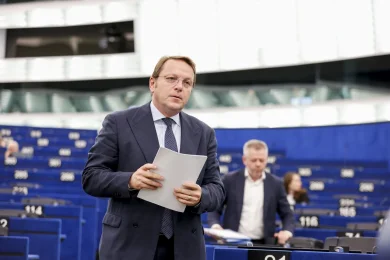
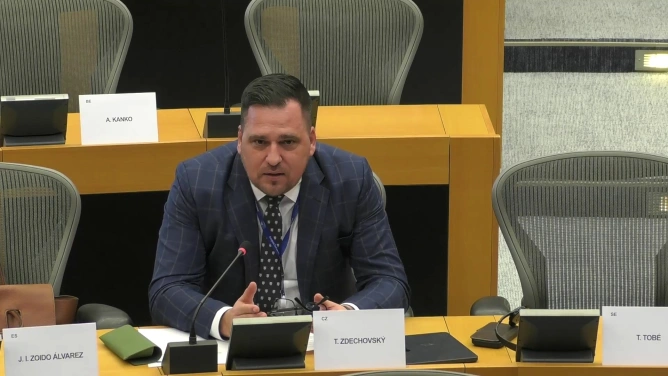
Tomáš Zdechovský announced in the European Parliament that he is preparing, together with Andrey Kovatchev and other colleagues, a request addressed to the European Commission. They want platforms to be able to verify who controls the accounts, while users can retain their public pseudonyms.European Parliament Member Tomáš Zdechovský announced on 16 November that he is preparing, together with Bulgarian MEP Andrey Kovatchev and other colleagues, a letter to the European Commission regarding the verification of the identity of people who control social media accounts. The initiative was presented at the hearing of the Special Committee on the European Democracy Shield on automated accounts and anonymity on social media during election periods.
In brief
Zdechovský announced an initiative addressed to the European Commission. The hearing did not establish a new obligation for users or platforms.
The platform could verify the account holder, while the user could continue posting under a pseudonym.
The two MEPs submitted amendments in February concerning identity verification and the possibility of interacting with verified accounts.
The Digital Services Act requires very large platforms to assess and reduce risks to public debate and elections.
It does not impose general user identity verification.Zdechovský explained that verification of an account holder could take place without displaying their real name. He cited the case of journalists and whistleblowers, for whom using a pseudonym can provide protection. The data the platform would receive, who could access it, and what safeguards users would have remain to be determined for any verification mechanism.
In February, Zdechovský and Kovatchev called, through an amendment, for a European framework for mandatory verification, especially on very large platforms. They mentioned the European Digital Identity Wallet as a way for the platform to receive confirmation of identity without receiving identity documents. Through another amendment, they proposed that users should be able to choose to interact with verified accounts. Verification of all account holders and the option to filter interactions would have different effects on users.
At the hearing, Europol representatives and other guests discussed networks of accounts that artificially amplify messages and the difficulty of identifying the people coordinating them. Verifying the identity of the account holder is one of the measures discussed. Platforms can also analyze coordinated behavior, including repeatedly distributing the same messages through multiple accounts.
Articles 34 and 35 of the Digital Services Act require very large platforms and search engines to assess and reduce systemic risks, including those to civic discourse and elections. In a response to a petition concerning mandatory verification, the Commission explained that anonymity can protect freedom of expression, and that any restrictions must respect fundamental rights.
The initiative of 16 November remains an initiative by the MEPs. The form of the request and any response from the Commission will show whether the discussion advances toward a legislative measure.
Latest News
14:18
14:17
14:16
14:07
14:04
See more news
NEWS ON THE SAME TOPICS