The European Union, caught off guard by Ursula von der Leyen’s proposal regarding “associate member” status for Canada (Politico)



Always see our news on Google
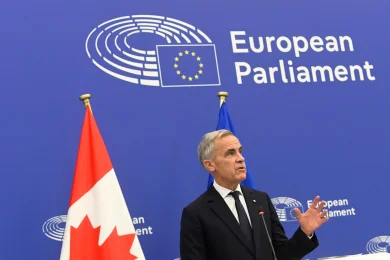
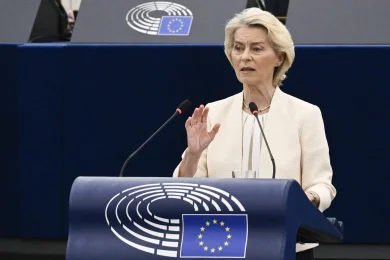
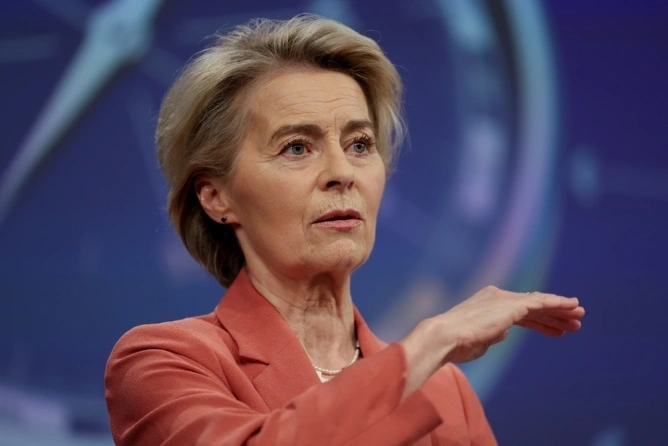
The President of the European Commission, Ursula von der Leyen, proposed on Wednesday, September 16, that Canada become the first “associated member” of the European Union, during her State of the Union address delivered at the European Parliament. The initiative seeks to strengthen economic and security relations between Brussels and Ottawa, amid the trade and political pressures exerted by Donald Trump’s administration.
The announcement caught several European governments by surprise. Four diplomats told Politico that the member states had not been informed in advance, while an official involved in the enlargement process said that his team knew nothing about the proposal.
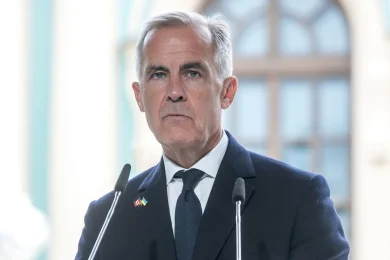
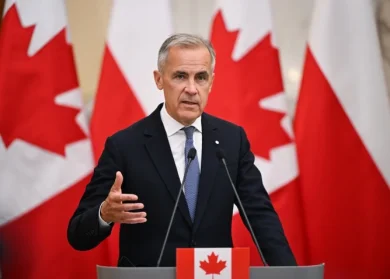
The idea raises legal and institutional issues. The EU treaties do not provide for “associated member” status, and creating such a model could require amending the treaties. Nor has Canada publicly supported joining the EU. Prime Minister Mark Carney spoke of a “unique alliance,” while a future Canadian ambassador stated that Ottawa had not yet reached that stage.
For now, it is unclear what rights the new status would include. The scenarios under discussion include economic integration inspired by the European Economic Area, without voting rights in EU institutions and without free movement. Donald Trump has already threatened the Union with additional tariffs following the announcement.
Sources


Latest News
22:55
22:48
22:22
22:14
21:54
See more news
NEWS ON THE SAME TOPICS